Last updated: June 2026 — prices and winery listings verified June 2026.
Kakheti is Georgia’s main wine region, running east from Tbilisi along the Alazani Valley towards the Azerbaijani border. It produces over 70% of Georgia’s wine. The region’s winemakers have been burying clay amphorae underground and fermenting grapes with the skins on for 8,000 years — a method that produces amber wines unlike anything made anywhere else. Getting there from Tbilisi takes 2 to 2.5 hours. Plan at least two nights.
Georgia has been making wine for 8,000 years. Kakheti is where most of that wine comes from. I know this not from a Wikipedia article but because a winemaker called Giorgi told me so in the autumn of 2022, standing in his cellar in Kvareli at 4pm, pouring a glass of amber Rkatsiteli from a qvevri that had been in the ground since before the Soviet Union existed.
I had come to Georgia for three weeks. I stayed three years. Kakheti is substantially to blame for this.
This guide is what I wish I’d had before that first trip east from Tbilisi. Which wineries are worth your time. How to actually get there. Where to sleep, what to eat, and when the harvest happens — because the rtveli is the best two weeks in the Georgian calendar and most guides completely fail to explain why.
What Makes Kakheti Georgia’s Wine Capital
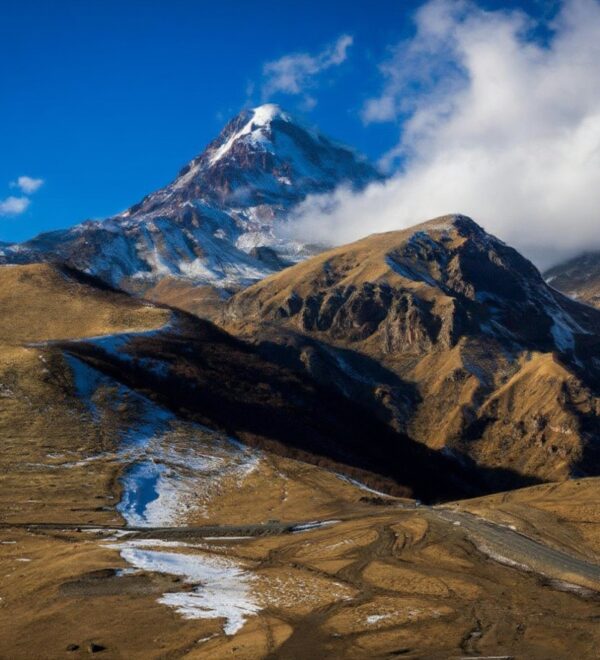
Start with the geography. Kakheti sits in eastern Georgia, bounded by the Greater Caucasus to the north and the mountains of Azerbaijan to the east. The Alazani River runs through the valley floor. The combination of continental climate, mineral-rich soils, and altitude produces grapes with high acidity and concentrated flavour.
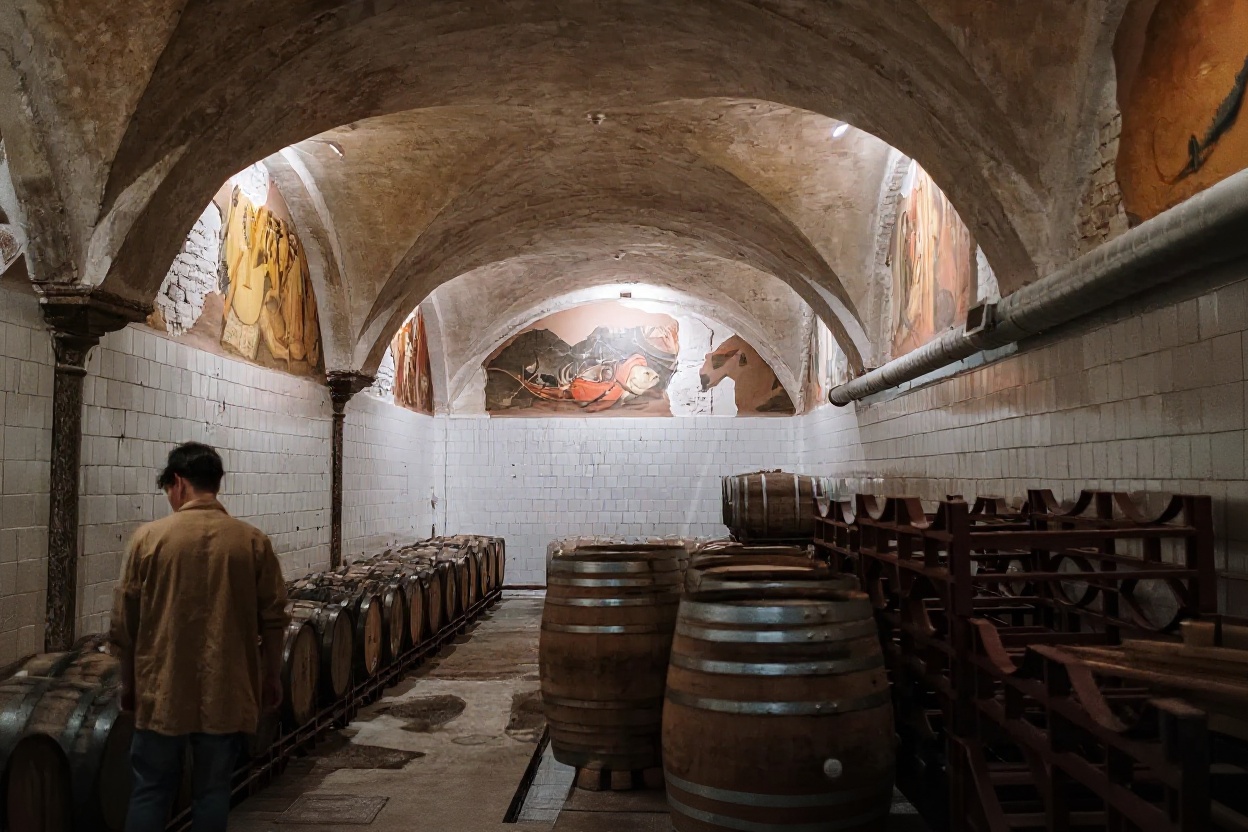
But the method is the point. The qvevri (pronounced KV-ev-ree) is a large clay amphora, beeswax-lined on the inside, buried up to the neck in the earth of a marani — a cellar. Grapes go in whole, including skins, seeds, and stems. Fermentation happens naturally. The wine sits for six months to a year in contact with those grape solids, which is what gives Georgian amber wine its distinctive tannins and oxidative character.
In 2013, UNESCO listed the ancient Georgian qvevri winemaking method as an Intangible Cultural Heritage of Humanity. The winemakers of Kakheti found this largely unremarkable. They’d been doing it for eight millennia. The international recognition was nice, but it didn’t change the recipe.
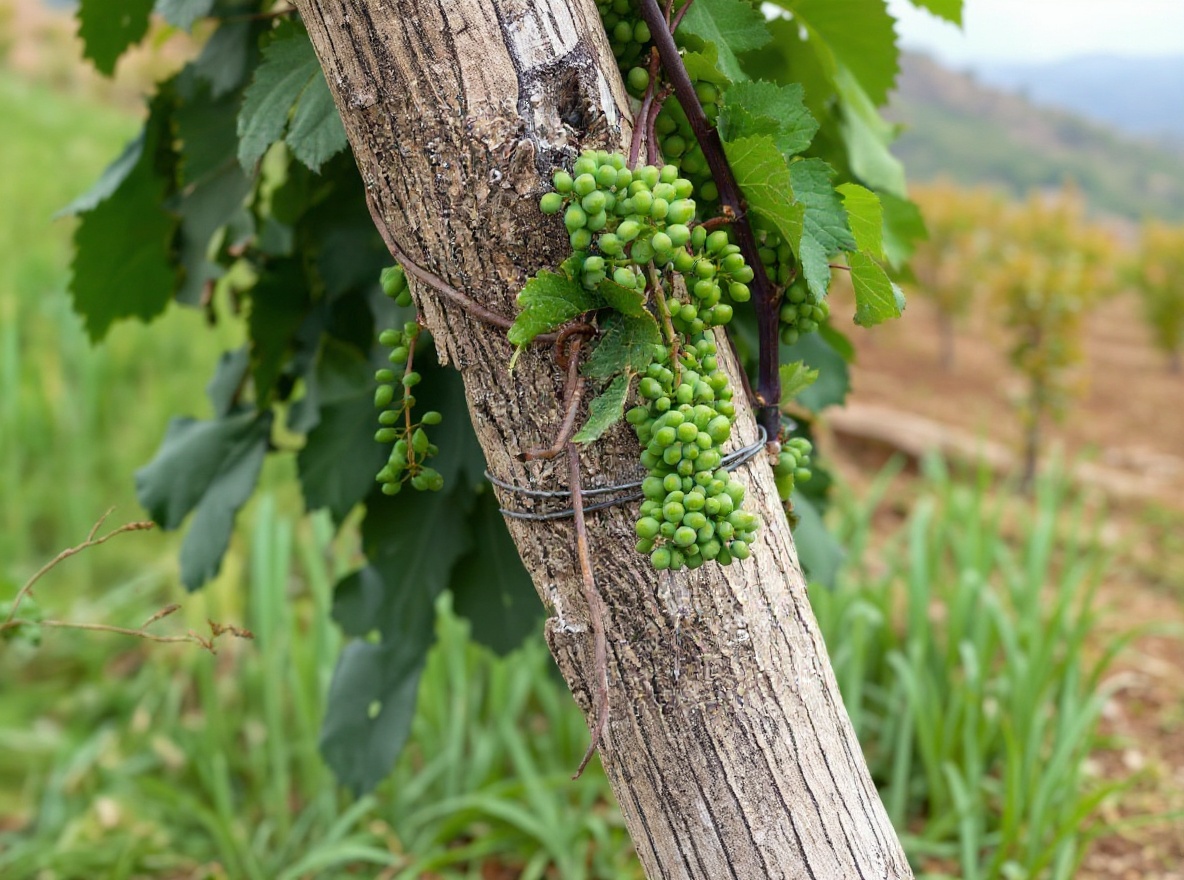
The two grapes that define Kakheti: Rkatsiteli (r-KAT-see-TELL-ee) — a white variety that becomes amber wine in qvevri, with a flavour profile somewhere between dried apricot, green walnut, and very dry sherry — and Saperavi (sah-per-AH-vee) — a deep red variety that produces wines so dark they stain the glass purple. There are over 500 indigenous Georgian grape varieties. Kakheti grows most of them.
⚠Real Talk
Most wine tourists arrive in Kakheti expecting something like a Napa Valley experience — manicured estates, tasting rooms with a gift shop, €15 flights. What they get is a winemaker in a courtyard, a dusty cellar, and a glass poured from a clay pot that’s been in the ground since their grandfather’s time. This is better. But it’s worth knowing.
How to Get to Kakheti from Tbilisi
Two realistic options: marshrutka or car hire. Choose based on whether you want flexibility or cheapness.
Marshrutka (mar-SHRUT-ka): the Soviet-era minibus that still runs most of Georgia’s intercity routes. From Didube bus station in Tbilisi (metro: Didube), shared minibuses run to Telavi throughout the morning and early afternoon. The fare is 8–10 GEL (~£2.25–£2.80). Journey time: 2.5 hours on a good day. The marshrutka leaves when full, which at Didube is usually around 8–9am. Afternoon services exist but are less reliable.
From Telavi, local taxis run to Sighnaghi (~30–40 GEL, ~£8–11), and shared minibuses connect the main wine towns. But without your own vehicle, the smaller wineries and monasteries are difficult to reach.
Car hire: strongly recommended for Kakheti. The wine route requires covering 60–80km of valley roads, often stopping at unmarked farm gates and monastery entrances that no taxi driver will wait at. Rental in Tbilisi runs 80–130 GEL/day (~£22–36) for a basic hatchback — budget car on a comparable route in the UK would cost triple. Bolt and Yandex are reliable apps for booking. Georgian roads in Kakheti are largely fine — you do not need a 4×4 for the valley floor. Mountain villages are a different matter.
Day trip from Tbilisi or overnight? Overnight. A day trip covers Sighnaghi and one winery. Kakheti deserves two nights minimum — one in the valley and one evening when the tour groups have gone home and you’re drinking wine on a guesthouse terrace watching the Caucasus turn pink.
The Kakheti Wine Route: Wineries Worth Your Time
There are over 70,000 registered wine producers in Georgia, most of them in Kakheti. Most produce wine in whatever way their family has for generations — no signage, no tasting notes, no website. The wineries I’m listing below have something resembling a visitor experience. That said: the best wine I’ve had in Kakheti came from a courtyard in Kvareli where the owner’s daughter translated.
Pheasant’s Tears — Sighnaghi
John Wurdeman is an American painter who moved to Georgia in the 1990s, married into a Kakhetian wine family, and now produces some of the most credible natural wine in the region. Pheasant’s Tears operates out of Sighnaghi — they have a restaurant and a cellar tour. Tastings from 25 GEL (~£7) per person, more for extended flights. The Rkatsiteli is extraordinary. Book in advance in September–October.
•BEN’S PICK
Pheasant’s Tears in Sighnaghi. Not because it’s the most accessible winery in Kakheti — there are bigger operations — but because the wine is actually excellent and John Wurdeman will talk to you like you’re interested in wine, not just passing through. The Chinuri in the restaurant paired with their badrijani nigvzit (eggplant with walnut paste) is the best thing I’ve eaten in three years in Georgia.
Alaverdi Monastery Winery — near Akhmeta
An 11th-century Orthodox monastery that produces wine in original underground qvevri. Monks make it. They’ve been doing so continuously since the monastery was founded. Entry to the monastery is free; a guided cellar visit with tasting costs 30–50 GEL (~£8–14). The amber wine here tastes like nothing else in Kakheti — 11 centuries of terroir and monastic patience. Call ahead: visiting hours are restricted and the monks aren’t always available for tours.
Twins Wine House — Napareuli
Two brothers, Gia and Giorgi Mgeladze, operate one of the most welcoming cellar operations in Kakheti. Tastings are 20–40 GEL (~£5.50–11) depending on the flight. The guesthouse here is also good. Napareuli is in the Alazani Valley north of Telavi — easy to combine with a Telavi visit.
Tsinandali Estate — Tsinandali
The estate of 19th-century Georgian prince Alexander Chavchavadze is now a hotel and museum complex. The cellar tour includes one of the largest and oldest wine collections in the world. Entry 15 GEL (~£4.20). More historical site than working winery, but the context it provides for understanding Georgian wine culture is worth the detour. 10km from Telavi.
Sighnaghi: The Town That Got Me Into This Mess
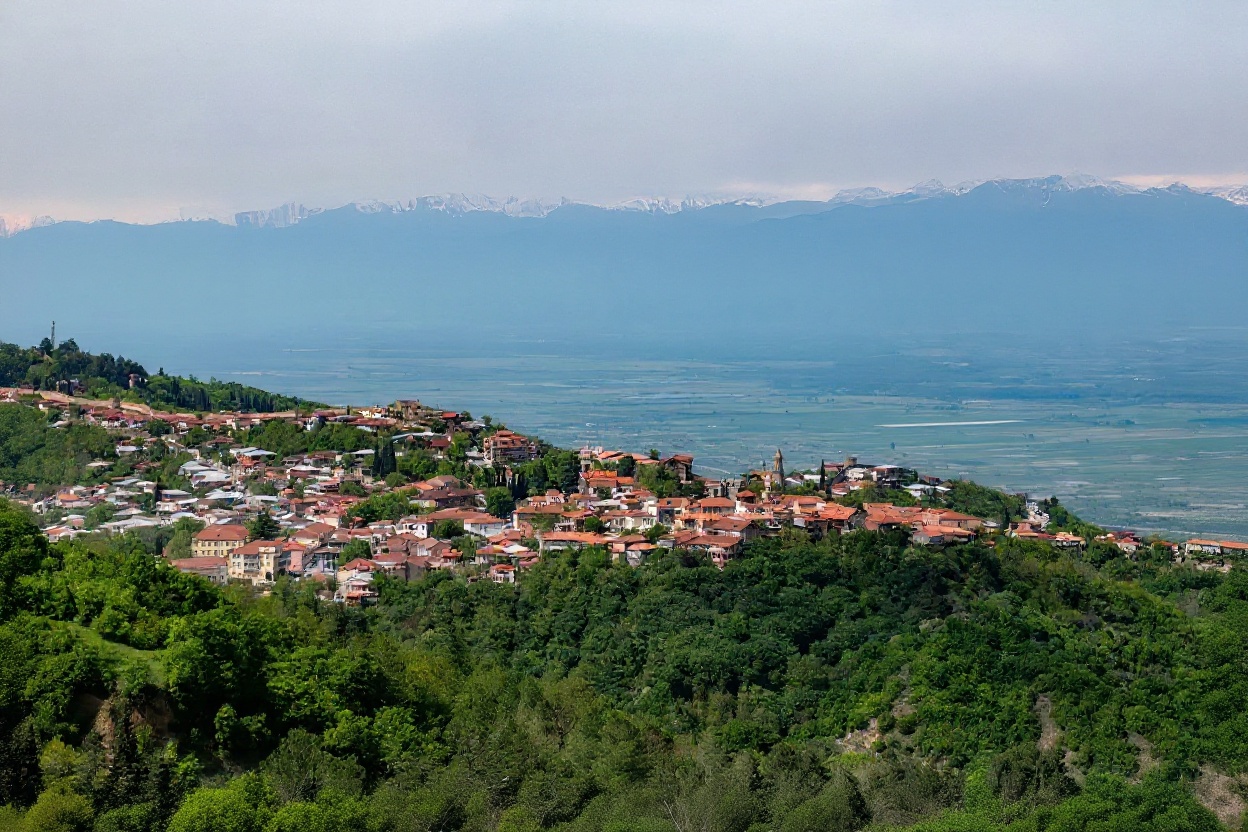
Sighnaghi (sing-NAH-ghee) sits on a ridge above the Alazani Valley with views of the Caucasus range on one side and the valley on the other. The 18th-century defensive walls encircle the old town. On a clear October afternoon, with the vines turning gold below and snow on the ridgeline, it’s one of the better views in the South Caucasus.
It’s also quite touristy. The Georgian government restored and somewhat over-restored Sighnaghi in the 2000s — the walls are immaculate, there’s a 24-hour wedding registry (Georgia has a thing about Sighnaghi as a romantic destination), and on summer weekends it can feel like a theme park version of itself. Come out of season or stay two nights — day-trippers leave by 5pm and the real Sighnaghi emerges.
Bodbe Monastery, 2km below Sighnaghi, is worth the walk down. It’s the burial site of St Nino, the woman credited with bringing Christianity to Georgia in the 4th century. The monastery is active, the church is genuinely atmospheric, and there’s a sacred spring at the bottom of the hill that Georgians treat as a pilgrimage point. The garden is beautiful.
Here’s my confession: the first time I came to Sighnaghi, I agreed to “just one more glass” with Giorgi at his cellar in Kvareli at 4pm. It was Kindzmarauli — a semi-sweet red from vines he’d been tending for 20 years. One glass became the bottle, the bottle became dinner at his family’s table, dinner became a conversation about Soviet collectivisation of the vineyards and what happened to the qvevri when the state took over. I left Kakheti two weeks later. Then I came back.
Giorgi is the reason I rented a flat in Tbilisi. He’ll probably find this embarrassing. He’s worth looking up if you’re in Kvareli.
For the link back to the full town guide: I’ve covered Sighnaghi in more detail separately, including the best guesthouses on the wall — see the Sighnaghi guide.
Telavi and the Northern Wine Route
Telavi is Kakheti’s main town — administrative centre, largest population, best transport connections. It’s less photogenic than Sighnaghi but more functional. If you’re renting a car and planning to cover the northern wine route (Napareuli, Akhmeta, Alaverdi, Kvareli), Telavi is the better base.
Gremi Castle and Church of the Archangels, 14km north of Telavi, is one of the more undervisited sites in Kakheti. A 16th-century fortified royal complex built by King Levan of Kakheti, it was burned by Shah Abbas I of Persia in 1616 and never fully rebuilt. The ruins have a melancholy grandeur. Entry is free. The views of the Alazani Valley from the tower are excellent and the site is almost always empty.
The Batoni Palace in central Telavi — the 18th-century residence of Erekle II, the last king of Kakheti — is worth 30 minutes. Entry 5 GEL (~£1.40). There’s a 900-year-old plane tree in the courtyard that’s 11 metres in circumference. It’s worth seeing if only because 11 metres is genuinely difficult to conceptualise until you’re standing next to it.
When to Go to Kakheti (And When to Skip It)
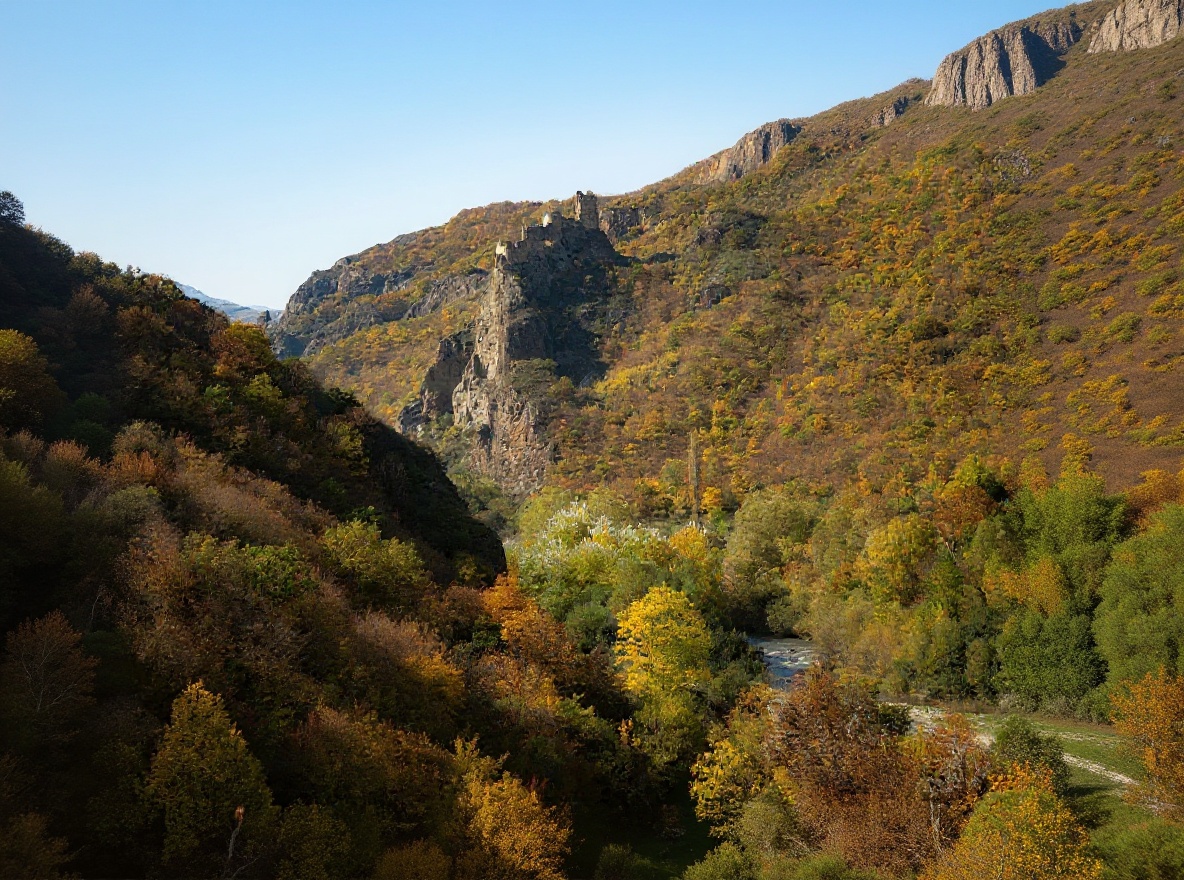
September and October. That’s the answer. The rtveli (r-TVEH-lee) — the grape harvest — happens from late September through mid-October, timing depending on the grape variety and altitude. This is the reason to come to Kakheti.
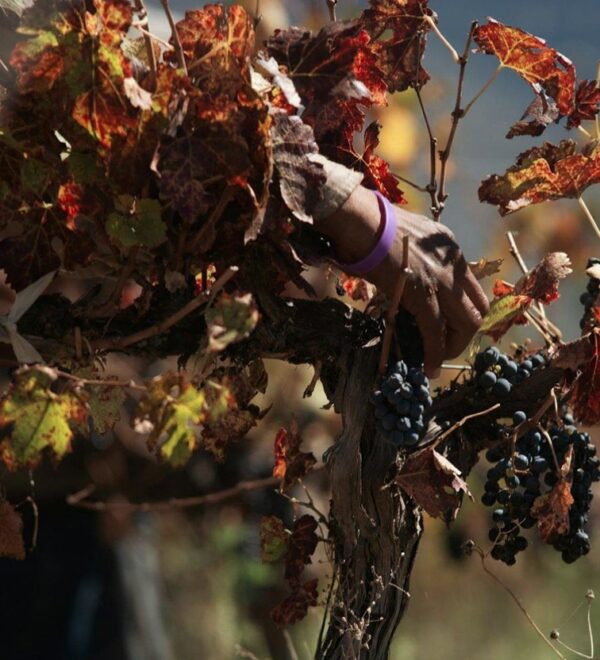
During rtveli, the roads through the wine villages are lined with people carrying grape-filled buckets and plastic containers. Wineries are pressing. The smell of fermenting grape juice is everywhere — sweet and slightly alcoholic, like walking through a bakery that’s also making wine. Many family wineries will let you help pick or press for free, especially if you’ve bought wine from them. Just ask.
Booking matters in September–October. Sighnaghi guesthouses fill up weeks in advance. The better wineries do tours by appointment only during harvest. Plan at least three weeks ahead if you want to be there for rtveli.
March and April are underrated — the vines are budding, the Caucasus has snow on the peaks, and you won’t share the valley roads with anyone. Prices drop 30–40%. The wine is the same wine.
June through August: hot (35°C+), crowded on weekends, and you’ll be sharing Sighnaghi with everyone who decided Georgia was the Tbilisi weekend destination of the summer. Manageable. Just not the best version.
ℹKnow Before You Go
Georgia introduced mandatory travel insurance for foreign tourists from 1 January 2026. Minimum coverage: 30,000 GEL for medical and accident. SafetyWing and World Nomads both meet this requirement — carry your certificate. Spot checks at Tbilisi airport have been reported. Budget 2–3 weeks’ coverage (roughly £20–35 depending on your age) and don’t travel without it.
Where to Stay in Kakheti
Sighnaghi has the best atmosphere. Telavi has the best transport connections. Both work.
In Sighnaghi, the best-value stays are family guesthouses within the walls — most include dinner and wine in the room rate, which in Kakheti is an excellent deal. Expect 80–150 GEL/night (~£22–42) for a double room with meals. The guesthouse owners are almost always the people who will recommend the local winery their cousin runs, which is how you actually find the good wine.
In Telavi, mid-range hotels run 120–200 GEL/night (~£34–56). The Twins Wine House guesthouse in Napareuli (25 GEL cheaper per night than comparable Telavi hotels, plus you’re already at the winery) is the best deal on the northern route.
For Sighnaghi specifically, Booking.com has the best inventory of guesthouses — filter by “breakfast included” and the price difference disappears when you factor in the wine that comes with dinner.
What to Eat in Kakheti
Kakhetian food is Georgian food with the volume turned up: more meat, more walnuts, more of everything. The region grows most of Georgia’s grapes and quite a lot of its vegetables, which means the produce in village restaurants is exceptional.
Mtsvadi (mts-VAH-dee) — skewered pork or lamb, grilled over vine cuttings. The vine wood gives a distinct flavour that’s smokier and more aromatic than charcoal. Every village roadside stall does mtsvadi. Order it with tkemali (plum sauce) and fresh lavash. 15–25 GEL for a full plate (~£4–7).
Badrijani nigvzit — fried aubergine rolled around a walnut and garlic paste, served cold. Sounds simple. It’s not simple. There’s a version at Pheasant’s Tears in Sighnaghi that I’ve eaten seven times and would eat seven more.
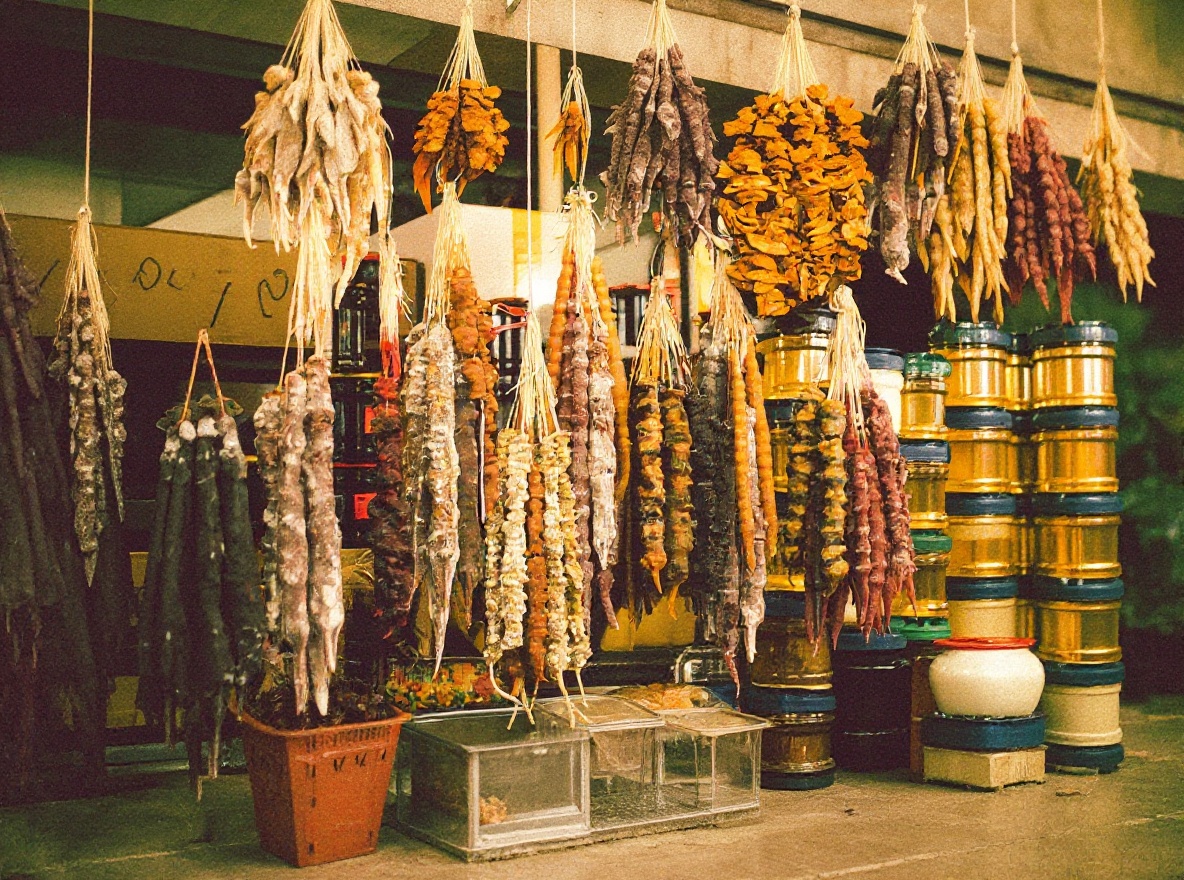
Churchkhela (choor-KHEH-lah) — strings of walnuts dipped repeatedly in thickened grape juice until they form a sausage-shaped shell. They hang in market stalls across Kakheti drying in the autumn air, purple and brown and dusted with grape powder. Eat them fresh from the stall, not the plastic-wrapped versions sold in Tbilisi supermarkets. 2–5 GEL (~£0.55–1.40) for a full string.
Khinkali (hin-KAH-lee) — the dumplings Georgia is famous for. In Kakheti they’re often filled with spiced lamb rather than the pork-and-beef mix you get in Tbilisi. Eat from the top, hold the dough handle, bite a small hole, drink the broth first. Do not use a fork. You’ll be judged.
Georgian Orange Wine: The Context You Need
If you’re coming to Kakheti for the wine, you need to understand amber wine — what Georgians call orange wine in international shorthand, though the winemakers here tend to find that terminology slightly reductive.
The short version: white grapes fermented with extended skin contact in qvevri produce a wine that is copper-amber in colour, tannic (unusual for white wine), and dry with an oxidative character. It’s the original skin-contact wine. The natural wine world discovered it about 15 years ago and has been enthusiastic about it ever since. Georgian producers are largely unconcerned — they’ve been doing this for eight thousand years and don’t need the endorsement.
If you want to go deeper on Georgian amber wine specifically — the grape varieties, the best producers, and how to tell a qvevri amber from an industrially made imitation — I’ve written a full guide to Georgian orange wine that covers the whole production story.
↗Insider Tip
When a Kakhetian winemaker opens a qvevri in front of you, what you’re smelling is the lees — the grape solids that have been fermenting for six months to a year. It smells like sourdough starter, dried fruit, and clean earth. Some people find it alarming. Stay with it. The wine that follows is worth the olfactory adjustment.
Kakheti vs. Tbilisi: Is It Worth Leaving the City?
Yes. Full stop. Tbilisi is excellent — I live there, I’ll defend it — but treating Kakheti as a day trip from the capital is like going to Bordeaux and spending the day in the city centre wine shop.
If you have four days in Georgia: two in Tbilisi, two in Kakheti. If you have a week: two Tbilisi, three Kakheti (base in Sighnaghi, day to Telavi, day to Alaverdi). If you have ten days: add Kazbegi — the contrast between the wine valley and the mountain north is the full Georgia experience.
The full Tbilisi guide covers the city in detail if you’re still planning that leg. For the mountains after wine country, the Kazbegi guide has the logistics and what to book before you arrive.
→Who It’s For
Kakheti is for anyone who drinks wine with genuine curiosity — you don’t need to be an expert, but you need to care about the glass in your hand. It’s for anyone who wants to understand a culture through what it grows and ferments. It’s not for people who want a guided tour of a slick operation with a gift shop. For that, go to Tuscany.
Practical Notes for Kakheti
Money: Telavi has ATMs (Bank of Georgia and TBC Bank, both reliable). Sighnaghi has ATMs but they run out of cash during harvest season. Bring enough GEL from Tbilisi if you’re coming in October.
Connectivity: Magti and Geocell SIMs (buy in Tbilisi) have coverage across the valley floor. Mountain areas vary. Most guesthouses have WiFi, quality varies enormously.
Language: English is more limited in Kakheti than in Tbilisi. Google Translate voice function is useful. The Georgian script (მხედრული) is beautiful and completely different from anything in the Latin or Cyrillic alphabets — worth learning “gamarjoba” (gah-mar-JO-bah, hello) and “madloba” (mad-LO-bah, thank you) before you arrive. Georgians visibly appreciate it.
Driving: Georgian road rules exist in theory. In practice, Kakheti roads are relatively calm outside of harvest season. The road between Tbilisi and Telavi (S5 highway) is good quality. The road from Telavi to Alaverdi is passable in a standard car. Keep your speed down in villages — children and livestock do appear.
Alcohol culture: Georgia has a strong wine culture and also a strong hospitality culture. These combine into a situation where refusing a glass is considered mildly rude. You are allowed to decline — “aravin, madloba” (no thank you) — but understand that toasts are a social ritual, not just drinking. The tamada (TAH-mah-dah) is the toastmaster at a supra (the Georgian feast) and will propose several over the course of a meal. Participate as much as is comfortable.
- How many days do you need in Kakheti?
- Two nights minimum. One day is a drive-by — you see Sighnaghi and one winery and leave with a shallow impression. Two nights lets you visit two or three wineries, do Bodbe Monastery, explore Telavi or Gremi, and have an actual dinner with the guesthouse family. Three nights if you’re coming during rtveli (harvest, late September to mid-October).
- What is the best winery to visit in Kakheti?
- Pheasant’s Tears in Sighnaghi if you want the best natural wine and a restaurant meal. Alaverdi Monastery Winery if you want the historical experience — monks, 11th-century cellar, original qvevri. Twins Wine House near Napareuli if you want a family operation with accommodation. Each is best for a different kind of visit.
- Is it easy to get to Kakheti without a car?
- You can get to Telavi or Sighnaghi by marshrutka from Didube station in Tbilisi — 8-10 GEL, about 2.5 hours. But without a car you’re limited to what’s walkable from town. Most of the interesting smaller wineries, Alaverdi Monastery, and the northern route require your own transport or a private taxi for the day.
- When is the grape harvest in Kakheti?
- The rtveli harvest runs from late September through mid-October, varying by grape variety and altitude. It’s the best time to visit Kakheti — the valley is busy in a genuine way, the wineries are pressing, and the smell of fermenting grape juice is everywhere. Book accommodation at least three weeks ahead if you want to be there during harvest.
- What is Georgian orange wine?
- It’s a white wine made by leaving the grape skins in contact with the juice during fermentation in a qvevri — a clay amphora buried underground. The skin contact gives the wine its amber colour, tannins, and oxidative character. Georgia has been making it for 8,000 years. The natural wine world noticed about 15 years ago. Rkatsiteli is the grape variety to try first.
- Is Kakheti worth visiting in winter?
- Yes, with caveats. Prices drop 30–40%. The valley is quiet, the mountains are snow-capped, and the guesthouses are happy to see you. The wine is the same wine. What you lose is the harvest atmosphere and some of the smaller wineries that close November–February. January and February are cold (near 0°C at night) — bring layers.
Getting to Kakheti from Tbilisi: The Bottom Line
Kakheti is not optional if you’re in Georgia. It’s the reason the country’s reputation has changed from “post-Soviet curiosity” to “serious wine and food destination” in the last decade. The region produces wine that is genuinely unlike anything made anywhere else on earth. The guesthouses are run by the families who have been farming these vineyards for generations. The monastery cellars are older than most European countries.
Go for the wine. Stay for everything else. Blame Giorgi if you end up extending your trip.
If you’re planning the full Georgia experience — city, mountains, wine region — the best time to visit Georgia guide lays out the seasonal logic for combining all three. Kakheti in September into Kazbegi in early October is the optimal Georgia itinerary. Don’t let anyone tell you otherwise.