Last updated: June 2026 — information verified June 2026.
Giorgi, who makes qvevri wines in Kvareli in the Kakheti region, is the reason I’m living in Tbilisi instead of Sheffield. I met him on a Tuesday afternoon in 2022 at a winery he’d been running with his father for thirty years. He poured me three wines. By the third one I understood something about wine that I’d missed for thirty-four years of drinking it. I moved here six months later.
Here’s what I know now that I didn’t know then.
What Is Georgian Orange Wine?
“Orange wine” is the Western wine world’s term for it. Georgians call it amber wine — ქვევრი ღვინო (qvevri ghvino) — or simply the traditional method. The colour ranges from pale gold to deep amber to a translucent burnt orange, depending on the grape variety, the maceration time, and how the winemaker manages the process.
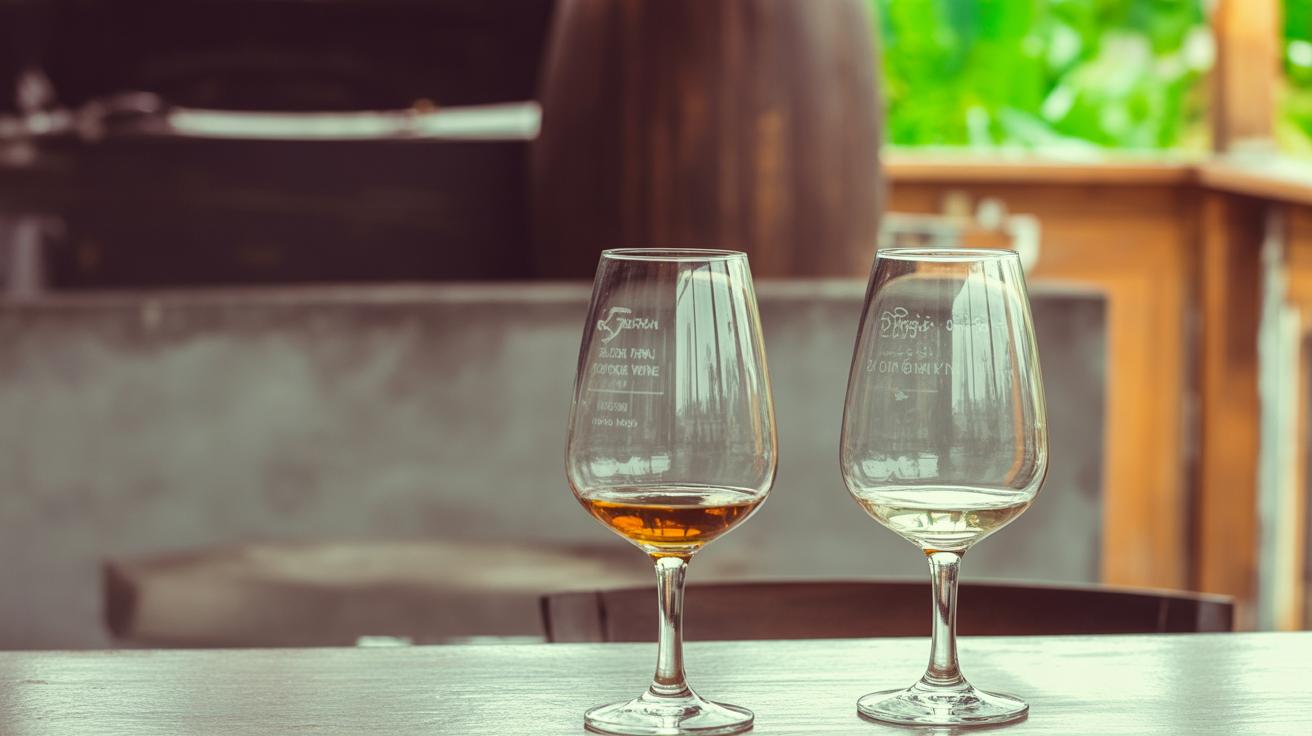
The key distinction from conventional white wine: most European white wine is made by pressing grapes, separating the juice immediately from the skins, and fermenting the juice alone. Georgian amber wine keeps the skins in contact with the juice throughout fermentation — sometimes for as little as a week, sometimes for six months. The result is a wine with tannins, phenolic compounds, and colour that you simply cannot get from juice-only fermentation.
This is not a recent natural wine trend. This is the original method. Every other wine style — including conventional red wine, which also ferments with skins — branched off from here. Georgia didn’t invent skin-contact white wine as a movement or a reaction. They just never stopped doing it.
The Qvevri: How It’s Made
The qvevri (say: kVEH-vree) is a clay amphora — egg-shaped, sealed with beeswax inside, typically holding 200–2,000 litres. It’s buried in the earth up to its neck, where the ground temperature stays constant at around 12–14°C year-round. The grape juice and skins go in. The fermentation happens. The wine is sealed for months.
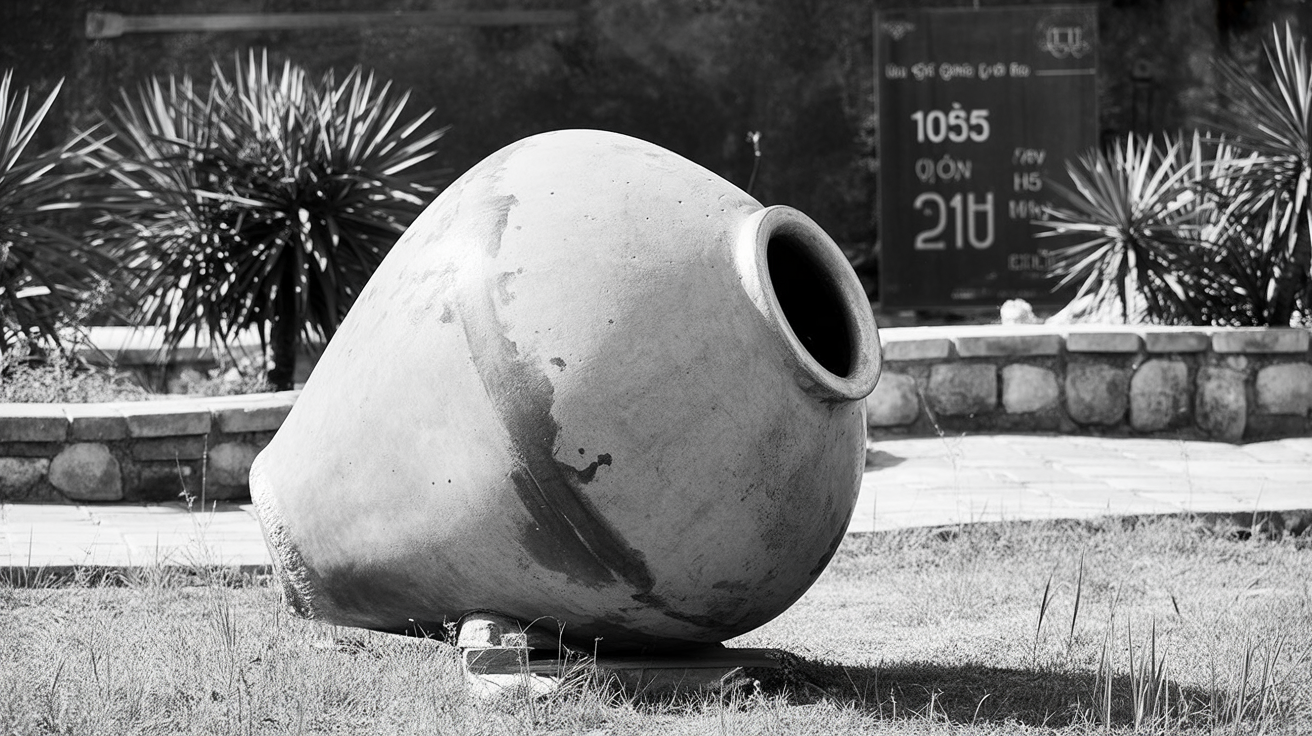
The qvevri winemaking method is UNESCO Intangible Cultural Heritage, listed in 2013. This matters not because UNESCO certification makes wine taste better, but because it represents international recognition that this is a living cultural practice — still actively maintained by thousands of Georgian families — not a historical reconstruction.
The practicalities of qvevri winemaking:
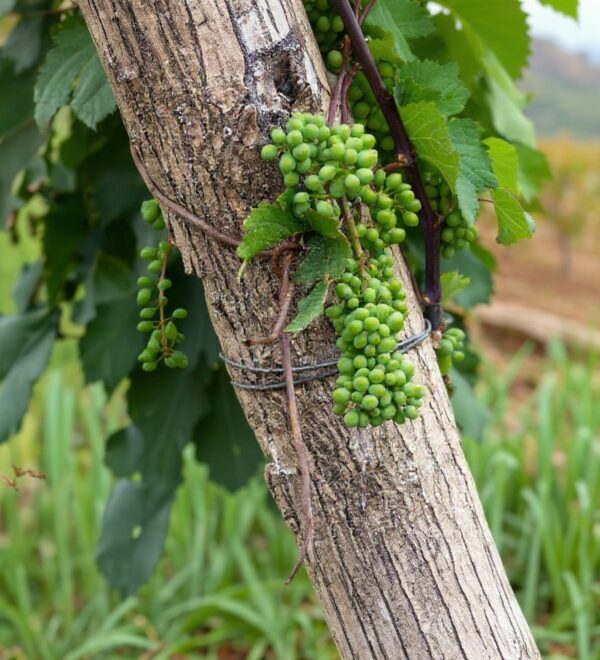
After harvest (rtveli — say: RTVE-lee, the Georgian wine harvest in September–October), the grapes are crushed and the juice, skins, and sometimes stems go into the qvevri together. Fermentation begins naturally from wild yeasts on the grape skins — no added yeasts, no temperature control beyond what the earth provides. The solids sink to the bottom as fermentation progresses and the wine clarifies above them.
After fermentation, the winemaker seals the qvevri with a stone lid sealed in wax, and leaves it. For months. The wine slowly clarifies further, the tannins integrate, the colour develops. When the qvevri is opened in spring or summer, what comes out is something that no other winemaking method produces.
What Georgian Amber Wine Actually Tastes Like
Right, here’s where I need to be honest rather than enthusiastic, because the honest version is more useful.
Georgian amber wine is not immediately approachable. If you’re expecting a crisp, fruit-forward white wine — the kind of thing you’d order without thinking in a restaurant in London — you will be confused by your first glass of qvevri amber wine. It is tannic. It is oxidative. It has a colour and a weight that the brain processes as “red wine” before the nose and the palate start revising that assessment.
The tasting notes that actually apply:
On the nose: Dried apricot, hay, honey, sometimes walnut or almond. An oxidative note — similar to fino sherry, but not as pungent. Some versions have a stony minerality that’s hard to describe and impossible to forget.
On the palate: Tannin texture (this is the thing that surprises people most — a “white” wine with a grip like a light red). The fruit character is dried rather than fresh — more dried fig and quince than apple or pear. Long finish, sometimes with a gentle bitter edge like the skin of an almond.
The food pairing: This is where amber wine distinguishes itself further. It’s not a wine-before-dinner wine. It’s a wine-with-food wine, specifically the kind of food that would overwhelm a European white: fatty meats, richly spiced dishes, walnut-based sauces, aged cheeses, fermented vegetables. The tannins cut through fat in a way that conventional white wine can’t.
•BEN’S PICK
My first glass: Giorgi’s Rkatsiteli, six months on skins, poured at cellar temperature directly from the qvevri. It tasted like someone had found a way to ferment the autumn itself. I went back for a second glass before I’d decided whether I liked the first. This is the correct Georgian amber wine experience — it bypasses the question of whether you like it.
The Key Grape Varieties
Several hundred grape varieties are native to Georgia, most of which exist nowhere else on earth. These are the amber wine varieties you’re most likely to encounter.
Rkatsiteli (say: rkats-i-TELL-ee): The most planted variety in Kakheti, and the backbone of most amber wines. Produces a wine with high acidity, firm tannins, and a distinctive combination of dried fruit and mineral character. The version Giorgi makes in Kvareli — six months on skins in 400-litre qvevri — is the reference point I use for every other amber wine I taste.
Mtsvane (say: mts-VAH-neh): Often blended with Rkatsiteli. Adds aromatic complexity — more floral, more fresh fruit character in young versions, which gradually gives way to the dried-fruit-and-nut profile as it ages. Mtsvane amber wines tend to be more immediately accessible than pure Rkatsiteli.
Kisi (say: KI-si): A Kakheti variety that makes particularly structured amber wines — full-bodied, with pronounced tannins and a distinctive spice note. Rarer than Rkatsiteli or Mtsvane, and worth seeking specifically when you see it on a wine list.
Chinuri (say: chi-NOO-ree): From the Kartli region (around Mtskheta), not Kakheti. Iago Bitarishvili of Iago’s Wines makes one of the most celebrated pure Chinuri amber wines — pale for an amber wine, tangy, with a persistent mineral finish. If you see it, order it.
Where to Try Georgian Amber Wine in Tbilisi
Several wine bars in Tbilisi specifically focus on natural and qvevri wines. These are the ones with people who actually know the producers.
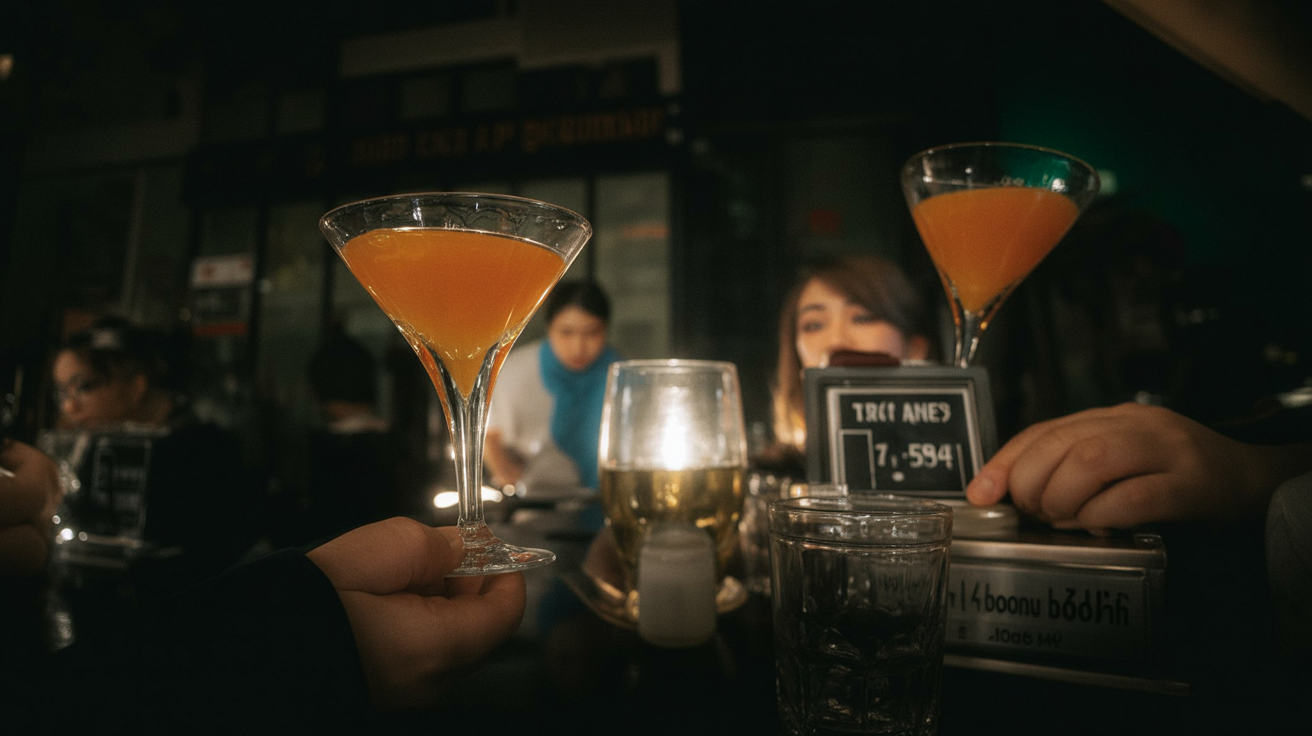
Vino Underground — on Freedom Square (Rustaveli area), in a basement that exactly fits the name. The wine list is all Georgian, with strong natural wine focus. Staff know the producers personally. A glass of Rkatsiteli amber runs 12–15 GEL (~£3.35–4.20). The by-the-glass selection rotates and the people pouring it will tell you exactly what you’re drinking and who made it. This is the correct first stop for amber wine in Tbilisi.
Wine Bar No. 9 — in Sololaki, the Old Town. Smaller, quieter, with a focus on smaller producers from across Georgia. Good place to have a longer conversation about what you’re drinking if you want to go deeper than the basics.
Twins Wine House — the retail/wine bar operation of the Okro’s Wines family, with a location near the Old Town. More commercial than the above two but with a wide selection and knowledgeable staff. Good if you want to buy bottles to take home alongside tasting.
Prices across all three: 12–18 GEL per glass (~£3.35–5.05) for most amber wines; premium single-vineyard or aged wines can reach 30–50 GEL per glass.
Going to the Source: Kakheti Wine Region
Tbilisi wine bars are excellent. Drinking amber wine in the Kakheti valley where the grapes were grown is something else entirely.
Kakheti is 1.5–2 hours east of Tbilisi on the main road. The wine villages — Sighnaghi, Telavi, Kvareli, Tsinandali — each have their own character. Sighnaghi is the most visually striking (fortified walls, panoramic views over the Alazani Valley) and the most tourist-visited. Telavi is the largest town and the practical hub. Kvareli is where I go when I want to spend time with actual winemakers without tour groups involved.
Pheasant’s Tears in Sighnaghi (founded by American artist John Wurdeman and Georgian winemaker Gela Patalishvili): one of the most important natural wine producers in Georgia, credited with bringing qvevri wines to international attention. Their winery and restaurant in Sighnaghi does tastings by appointment and walk-in table service. The Rkatsiteli is always excellent. GPS: 41.5541° N, 45.9181° E.
Iago’s Wines (Iago Bitarishvili): outside Mtskheta, closer to Tbilisi than Kakheti proper. Pure Chinuri grape, minimal intervention, one of the most distinctive wine voices in Georgia. Visit by appointment — email in advance.
For the full Kakheti visit: the Tbilisi Travel Guide covers Kakheti as a day trip option, with logistics from the capital.
The Supra: How Georgian Wine Is Actually Drunk
Understanding Georgian amber wine without understanding the supra is like understanding Italian pasta without understanding the dinner table. The wine exists in a context, and that context is the supra — the Georgian feast.
A supra (say: SUP-ra) is not just a meal. It is a structured, toast-led feast presided over by a tamada (say: ta-MAH-da — the toastmaster), whose job is to lead increasingly elaborate toasts throughout the evening while ensuring the table maintains a specific balance of conversation, food, wine, and ceremony. The tamada proposes a toast; everyone drinks; the cycle continues. There are traditional toast subjects: to Georgia, to the table, to the absent, to ancestors, to the children, to guests. Each has its place in the order.
The wine drunk at a supra is almost always Georgian. At family supras in the villages, it is almost always homemade qvevri wine — whatever the family produces, poured into jugs and refilled continuously from a jug on the table. At restaurant supras in Tbilisi, the wine is more varied, but the default pour for a serious occasion is still amber wine.
The drinking vessel at a traditional supra is sometimes a drinking horn — a kvevri horn (different from the amphora, confusingly), polished and wide at the rim. The tradition is that when you accept the horn from the tamada, you drink it completely before setting it down, because the horn has no flat base. This is not a tradition that promotes moderation. It is a tradition that promotes presence — you have to be paying attention.
If you’re invited to a Georgian supra — genuinely invited, not a tourist supra at a restaurant — go. It will be the most memorable meal of your Georgia trip. Eat before you arrive (the food is excellent but arrives in waves over many hours). Pace yourself on the wine. Don’t try to match your Georgian neighbours toast-for-toast if you’ve only arrived two days ago. They’ve been doing this since childhood.
Buying Georgian Amber Wine to Take Home
Georgian amber wine travels well — better than many natural wines, because the tannins and oxidative character that can seem aggressive when you first encounter them provide the wine with natural stability. A well-made qvevri wine will be fine in a bag for a flight home and will continue developing in the bottle for years.
Where to buy in Tbilisi:
G.Vino Wine Shop — near the Old Town, one of the best curated Georgian wine shops in the city. Staff speak English and have strong opinions about the producers. Price range: 20–80 GEL for quality amber wines (~£5.60–22.40). This is where I send visitors who want to take a serious bottle home and understand what they’re taking.
Twins Wine House — the retail arm of a well-regarded Kakheti producer, with good ambassador wines at accessible prices (25–50 GEL) that represent the style accurately without being difficult. Good for a first purchase if you’re new to the category.
Directly from Kakheti producers: If you’re visiting the wine region, most family producers sell directly and the prices are lower than Tbilisi retail. Giorgi sells from the cellar in Kvareli at around 20–40 GEL per bottle depending on the vintage. Cash, typically. Bring enough.
What to look for on the label: the grape variety (Rkatsiteli is the safest starting point), the region (Kakheti on the label means standard production; look for Kvareli or Tsinandali for more specific terroir), and the producer’s name. Avoid wines that advertise themselves as “Georgian orange wine” in English on the front label — this usually means they’ve been designed for export markets and have lost something in the translation.
Airport purchase: Tbilisi airport has a reasonable wine shop airside. The selection is more commercial than Tbilisi retail, but you can find decent ambassador bottles at 15–30 GEL. Fine for a gift. Not the level of the specialist shops in the city.
The Confession: What I Got Wrong When I Met Giorgi
I told Giorgi his Rkatsiteli tasted like “an orange-forward Chardonnay with some Burgundy characteristics.”
This is the kind of thing you say when you’re applying European wine vocabulary to something that existed long before European wine vocabulary was invented. Giorgi looked at me with the specific expression that Georgian winemakers use when a Westerner says something like this — patient, slightly amused, waiting to see if I’d add anything that indicated I might understand what I was actually drinking.
I did not add anything useful. He poured me another glass and asked me to tell him what I actually tasted, not what it reminded me of. It took about twenty minutes of that conversation before I started describing the wine in terms that were actually relevant to the wine itself rather than to wines I’d had in other countries.
The lesson: approach Georgian amber wine without your existing wine vocabulary. It will confuse you at first. This is the correct initial reaction. Stay with it.
FAQ: Georgian Orange Wine
- What is Georgian orange wine?
- White wine grapes fermented with their skins in buried clay jars (qvevri), producing an amber/orange-coloured wine with tannins, oxidative character, and complexity that no other method produces. The technique is 8,000 years old and UNESCO Intangible Heritage. It’s the world’s oldest continuous wine tradition and produces something genuinely unlike European white or red wine.
- Is Georgian orange wine the same as natural wine?
- Related but not identical. Georgian qvevri wines are natural wines in the sense that they typically use wild fermentation, no added sulphites, and minimal intervention. But the term “natural wine” is a modern Western category. Georgian qvevri winemaking predates the natural wine movement by about 8,000 years and would be practiced the same way regardless of whether there were wine critics in Brooklyn to approve of it.
- What does Georgian amber wine taste like?
- Tannic, oxidative, complex — closer to a light red than a conventional white wine. Dried apricot, hay, walnut, and minerality on the nose. On the palate: dried fruit character (quince, fig), firm but integrated tannins, long finish with a gentle bitter edge. Not immediately approachable for drinkers expecting European white wine. Worth persisting through the first glass to the second.
- Where is the best place to try Georgian amber wine?
- In Tbilisi: Vino Underground on Freedom Square is the starting point — all-Georgian list, knowledgeable staff, 12–15 GEL per glass. In Kakheti: Pheasant’s Tears in Sighnaghi (Rkatsiteli is always worth ordering), or Iago’s Wines near Mtskheta for Chinuri specifically. The Kakheti version — drinking the wine where the grapes grew — is better than the Tbilisi version, if you have the time.
- What Georgian wine grapes make orange wine?
- The main varieties: Rkatsiteli (most common, firm and mineral), Mtsvane (more aromatic, often blended with Rkatsiteli), Kisi (structured and spiced), and Chinuri (from Kartli region, pale and tangy). Georgia has hundreds of native grape varieties — these are the amber wine workhorses, but single-variety wines from rarer grapes appear at specialist producers.
- How much does Georgian amber wine cost?
- In a Tbilisi wine bar: 12–18 GEL per glass (~£3.35–5.05 / $4.35–6.50) for most amber wines. A bottle from a winery in Kakheti: 25–60 GEL (~£7–17) depending on the producer and vintage. Commercial supermarket versions of Georgian wine exist at 8–15 GEL, but the qvevri wines worth drinking are from family producers or small estates, not supermarkets.
The Rtveli: Harvest Season and What to Do There
Rtveli (say: RTVE-lee) is the Georgian grape harvest — usually late September to mid-October in Kakheti, shifting by a week or two depending on the growing season. It is the single best time to visit Georgia if wine is any part of your interest, and I say this as someone who has visited Kakheti in every month except February.
What happens during Rtveli: families with vineyards pick grapes by hand, press them in a traditional basin, and begin filling the qvevri with juice, skins, seeds, and sometimes stems. The smell of fermenting grape must in the Alazani Valley in early October is one of the more specific sensory experiences available in the Caucasus. Not sweet — more complex than that, with the earthy undertone of the qvevri clay and the high-alcohol fermentation gases rising from open vessels.
Many family wineries in Kakheti welcome visitors during Rtveli. Not as a tourist experience — as an extension of Georgian hospitality. You may be handed a hose to wash grapes or a wooden paddle to punch down the cap (the floating mass of skins). You will certainly be given a glass of something. Giorgi’s family in Kvareli starts Rtveli in the last week of September and the whole village participates. This is the version of Georgia that rewarded the decision to move here.
The Rtveli Wine Festival in Tbilisi’s Rike Park runs in early October — winemakers from across the country sell directly from the bottle, prices are significantly lower than retail, and the concentration of qvevri wines available in one place is unmatched outside the wine regions themselves. Entry is free. Budget 100–200 GEL for bottles you’ll want to take home.
How to Pair Georgian Amber Wine: A Practical Guide
Right, here’s the thing about food pairing with amber wine — the European framework of “white wine with fish, red wine with meat” is actively unhelpful here. Georgian amber wine is a different category that requires different pairing logic.
What works: The tannins and oxidative character of qvevri amber wine cut through fat and complement richly spiced food in ways that conventional white wine can’t. The natural pairings from Georgian cuisine:
Satsivi (cold chicken in walnut sauce): The walnut sauce has a slight bitterness and dense texture that amplifies the nutty-dried-fruit character of Rkatsiteli amber wine. This is the pairing Giorgi demonstrated to me the first time I visited Kvareli. It took about 90 seconds to understand why Georgian winemaking and Georgian cuisine evolved together.
Badrijani nigvzit (aubergine with walnut-garlic paste): Cold, complex, slightly smoky from the frying. The amber wine’s grip provides contrast to the richness. Order this as the first course at any wine bar tasting.
Aged cheese: Sulguni (Georgian brined cheese, similar to good mozzarella but saltier) is the natural companion. The salt contrast opens the amber wine’s fruit character. Village guesthouses in Kakheti often serve this combination as the default snack with the cellar tasting.
Khinkali: The spiced meat and broth filling of Georgian dumplings is, somewhat counter-intuitively, excellent with amber wine. The tannins cut through the fat in the broth; the aromatic character of the wine matches the spice. Don’t order this combination at a restaurant — it marks you as a tourist who read about it. Order it because it works.
What doesn’t work: Delicate fish, light salads, anything with a subtle flavour that would be overwhelmed by the amber wine’s grip. If you want wine with a sea bass in a cream sauce, Saperavi is even more wrong — but a light conventional Georgian white (Tsolikouri, for example) or a European-style Rkatsiteli without skin contact are the right calls.
The Last Word on Georgian Amber Wine
Georgia has been making wine for 8,000 years using a method that no other country has maintained at scale. What this produces is something that doesn’t fit neatly into any existing wine category, which is the point. It pre-dates the categories.
Drink it with food. Give it more than one glass before deciding how you feel about it. If you’re in Georgia and a winemaker pours you something from a qvevri that’s been in the ground since September, drink it slowly and ask them what’s in there. The answer will usually be the most interesting conversation about wine you’ve ever had.
Safe travels. Drink the qvevri wine. (I moved here for it. You probably won’t. But after your first glass at Vino Underground — properly poured, cellar-cold, with a plate of something to eat alongside it — you might understand why someone did. Questions in the comments.)