Last updated: June 2026 — prices and seasonal logistics verified June 2026.
The best time to visit Georgia is September — specifically, the second and third weeks of September, when the Tbilisi heat breaks, the Kakheti grape harvest starts, the mountain trails are still open, and the tourist numbers from July and August have thinned considerably. This is the local consensus, the expat consensus, and my personal answer after three years of living in Vera district. It’s also when Georgian wine tastes best, which is not an irrelevant consideration in a country that has been making wine in clay pots buried underground for 8,000 years.
That said: Georgia is not one destination. The country has a Black Sea coast, a capital city at 380 metres, mountain passes above 2,000 metres, a semi-arid wine valley, and a Soviet spa town in Borjomi that doesn’t fit any of those categories. What’s optimal for Tbilisi is not optimal for Svaneti, and what works for Kakheti is not what works for Batumi. This guide covers all of them.
I’m Ben. Former geography teacher from Sheffield, current Tbilisi resident. I’ve covered all three Caucasus countries. What follows is what I tell people in my building when they ask when to come.
Georgia at a Glance: Why the Timing Question Is Complicated
Georgia is smaller than Ireland but has more climate zones than most European countries. The eastern half — Tbilisi, Kakheti, Kakhetian highlands — has a continental climate: hot dry summers, cold winters, excellent springs and autumns. The western half — Kutaisi, Batumi, Colchic lowlands — has a humid subtropical climate, meaning it rains more or less year-round and things grow without asking permission. The mountains (Kazbegi, Svaneti, the Greater Caucasus ridge) have an alpine climate that has nothing to do with either.
The practical consequence: there is no single best time to visit Georgia unless you know which Georgia you mean. The guide splits accordingly.
Tbilisi: When to Come
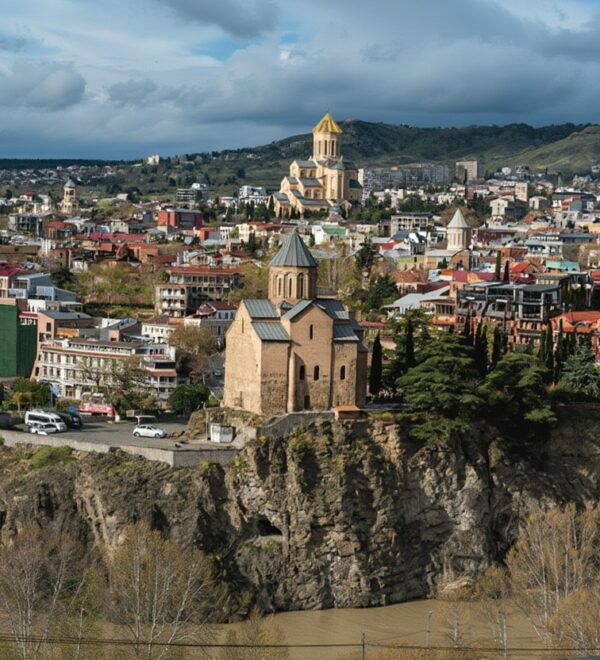
Tbilisi sits in a gorge of the Mtkvari River at 380–500 metres. The Caucasus range to the north and the Trialeti range to the south create a wind funnel that makes winters colder and summers hotter than the altitude would suggest. July and August in Tbilisi regularly hit 35°C. The Old Town — Narikala fortress above, the sulphur bath district below, the leaning balconied houses of Abanotubani — becomes genuinely uncomfortable to walk in the midday heat.
April and May are when Tbilisi is at its best. The city greens up fast — the plane trees along Rustaveli Avenue, the chestnut trees in Vake Park, the roses in Mtkvari embankment gardens. Temperatures run 18–24°C. Kadaguri reservoir glistens north of the city. The wine bars in Sololaki start putting tables outside. It’s the kind of spring that makes you understand why people end up living somewhere.
June is a transition month. Still excellent — warm but not savage, outdoor dining fully functional, everything open. The heat starts building from mid-June.
July and August — the heat is real. 32–36°C on typical days, occasionally higher. This is not a reason to avoid Tbilisi, but it changes how you use the city. Early mornings (before 10am) and evenings (from 7pm) are the correct approach. The Narikala fortress walk, spectacular at any time, should be done at 8am in August. Most of the good wine bars and restaurants are in cooler indoor spaces anyway.
September is the month. The heat breaks — usually around the second week — and Tbilisi shifts to something extraordinary: 22–26°C days, cool evenings, the light shifting from summer white to autumn gold. The terraces fill with people who are visibly relieved. This is also when Rtveli starts in Kakheti — the grape harvest — and Tbilisi feels the energy of it. Wine festivals, qvevri tastings, winemakers in town selling from the back of vans. It’s a good time to be here.
October continues September’s logic. Tbilisi in October is warm (18–22°C), golden-lit, uncrowded, and at this point genuinely one of the better autumn city breaks in this part of the world. The Tbilisi International Film Festival runs in November; October is the lull before it fills up again.
November through March — Tbilisi in winter is mild by Caucasus standards (2–8°C) and can be excellent for those who want a city break without crowds. The sulphur baths in Abanotubani are, if anything, better in winter. Some restaurants and wine bars close for a fortnight in January; the good ones don’t.
•BEN’S HONEST TAKE
The reason I say September rather than May is simple: the wine harvest is in September. Sitting in a family’s yard in Sighnaghi with a clay cup of fresh-pressed Rkatsiteli while they load grapes into the qvevri is an experience that doesn’t happen in May. If wine is any part of your Georgia interest — and it should be — September beats spring on that criterion alone.
Kazbegi and the Greater Caucasus Mountains
I wrote a full Kazbegi guide, so I’ll keep this section to the seasonal logic. Kazbegi sits at 1,750m in the Greater Caucasus. The road from Tbilisi (the Georgian Military Highway) is paved and stays open year-round — there’s a tunnel at Gudauri that bypasses the high-altitude snow sections. So you can physically get to Stepantsminda in February. The question is what you do when you arrive.
June through September is the hiking window. All trails open. Gergeti Trinity Church hike (420m ascent, 45 minutes) is straightforward. Truso Valley sulphur springs and abandoned Ossetian villages are accessible. Juta village trailhead for the Chaukhi peaks is open. September in Kazbegi — I’ve been four times, always in September — gives you clear skies, the Caucasus ridge in its best light, and noticeably fewer people than August.
October is the transition. Lower trails accessible; upper routes weather-dependent. First snow can appear on the peaks from mid-October. Guesthouses start closing. Check ahead.
November through May — Kazbegi in snow is a completely different experience and genuinely beautiful, but the hiking infrastructure closes. The Gergeti Church hike with ice on the upper section requires proper winter footwear. Truso Valley and Juta are not accessible without snowshoes or a guide.
Gudauri ski resort (30km south of Kazbegi on the Georgian Military Highway) runs December through March. Lift pass: 30–45 GEL/day (~£8.40–12.60). A good option if skiing is in the plan and the Alps feel expensive.
Kakheti and the Wine Harvest
Kakheti is Georgia’s wine region — the Alazani Valley below the Caucasus foothills, running east from Tbilisi toward the Azerbaijani border. Telavi is the main town. Sighnaghi is the village on the hilltop with the walls and the view and the accommodation that books up in October. The region produces over 70% of Georgia’s wine.
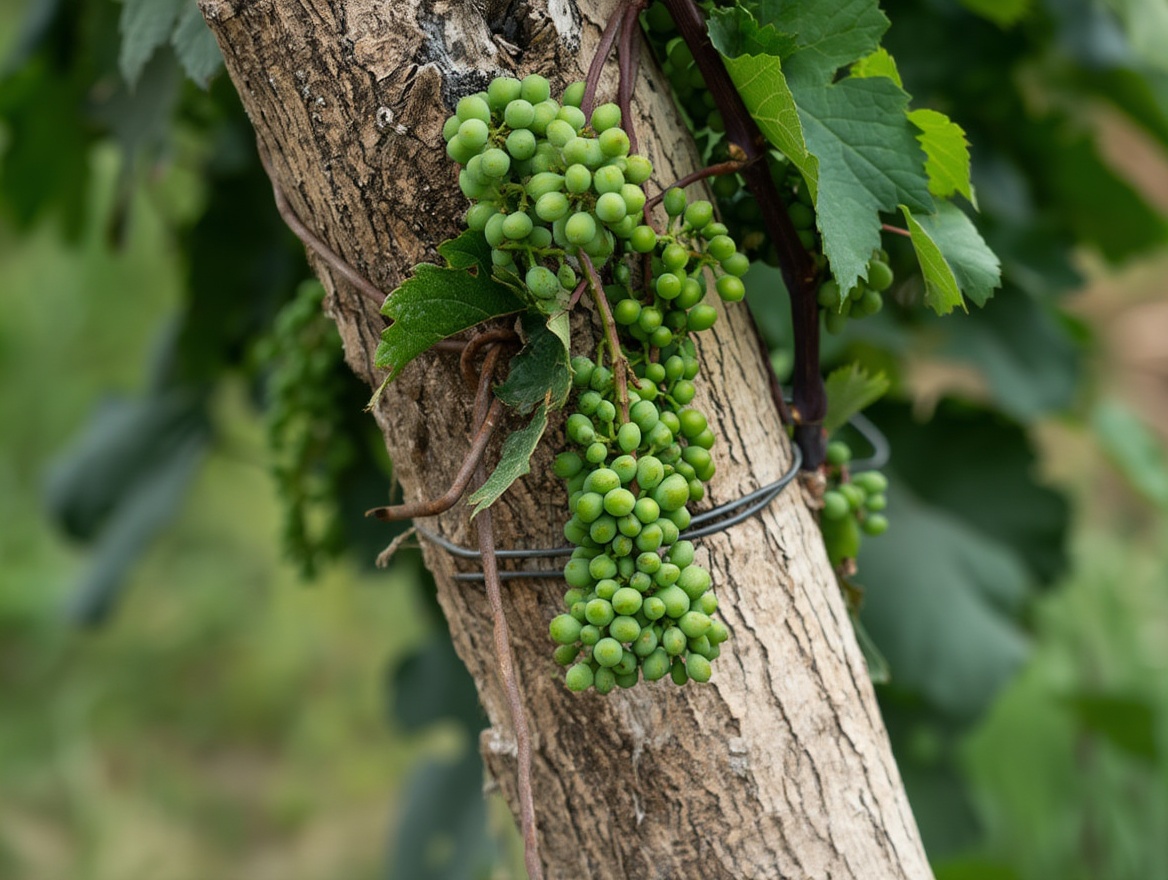
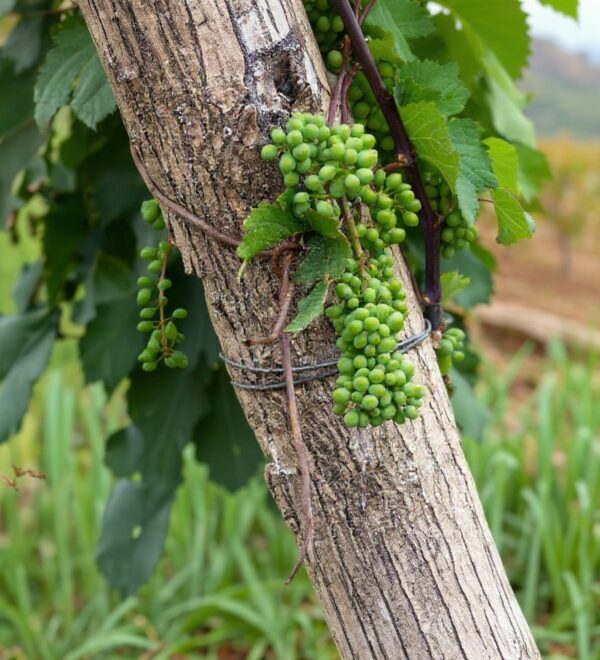
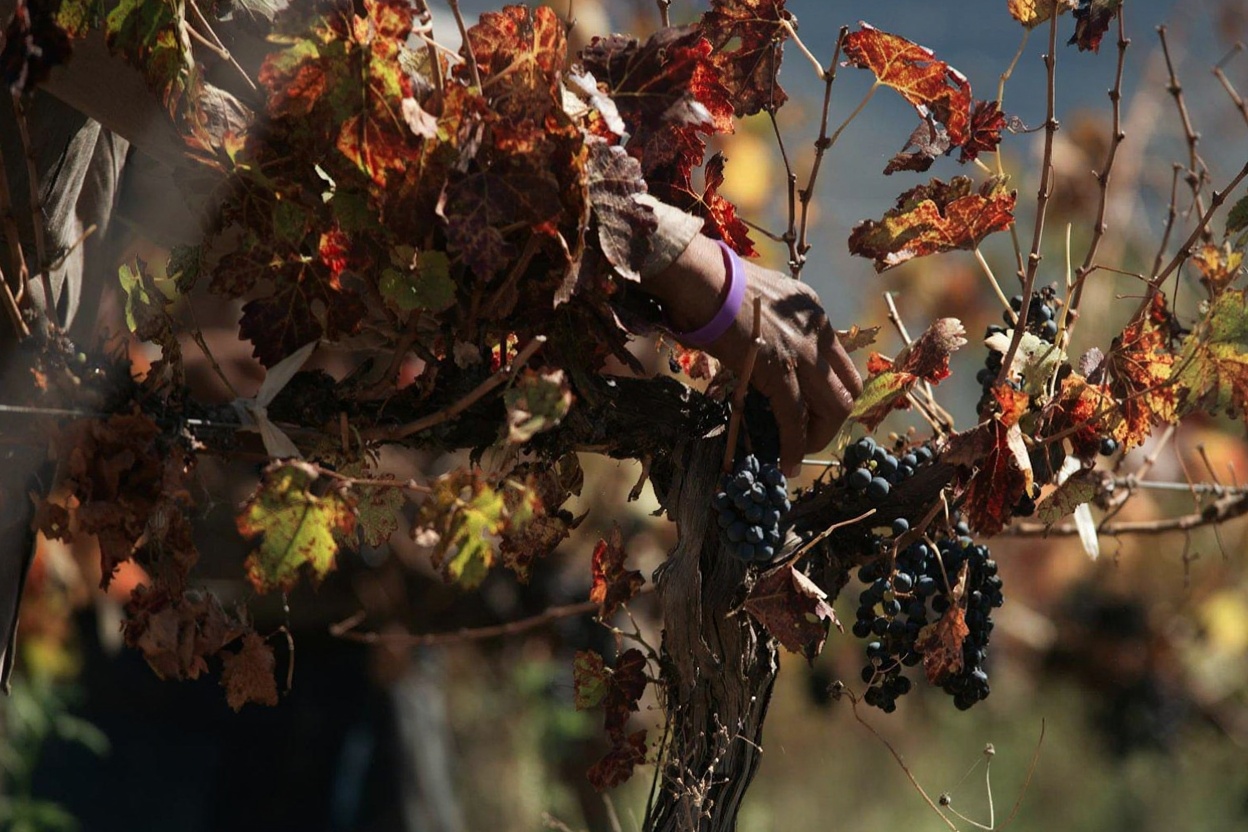
The best time to visit Kakheti is late September to mid-October, during Rtveli — the harvest. This is not a tourism event staged for visitors; it’s how wine gets made. Families with vineyards pick grapes, press them, and bury the juice in qvevri (large clay amphorae sunk into the earth) to ferment through winter. Many estates and family wineries welcome visitors during this period — sometimes spontaneously, sometimes through organised tastings. The smell of fermenting grape must in the Alazani Valley in early October is one of those sensory details that remains accurate in memory.
Rtveli timing: late September for early varieties (Rkatsiteli), mid-October for later grapes. The exact dates shift by a week or two depending on the year’s growing season.
Wine festivals: Tbilisi’s Rtveli Wine Festival runs in early October — winemakers from across the country descend on Rike Park to sell from the bottle. Entry is free; the wine is not, but prices are excellent direct from producers. The New Wine Festival runs in May (young wines from the previous harvest). Both are worth timing a trip around.
May and June in Kakheti are also excellent — the vines are leafing out, the landscape is green in a way it won’t be by August, the heat is manageable (25–28°C), and the wineries are fully open and uncrowded. May is the alternative answer for those who can’t do September.
July and August — Kakheti is hot (30–35°C in the valley). The wineries still operate; the landscape is arid and golden. Not unpleasant if you’re tasting wine in cool cellars, but walking the vineyard trails at 2pm in August is not recommended.
Marshrutka Tbilisi to Telavi: 7 GEL (~£2) from Ortachala bus station, 2 hours. This is the correct way to do this journey.
Svaneti and Mestia
Svaneti is the mountainous northwestern region of Georgia — the towers, the glaciers, the most dramatic landscape in the country. Mestia is the main town at 1,500m. Ushguli, Europe’s highest continuously inhabited village at 2,200m, is 45km further up the valley. The Svan towers (medieval defensive structures, 9th–12th century, each family had one) are the architecture that defines the visual identity of Georgia’s mountains.
July and August are when Svaneti is most accessible. The road from Zugdidi (paved since 2016, though still rough in places) is clear. All hiking trails are open. The marsh minibus (marshrutka from Zugdidi: 30 GEL/~£8.40, 4–5 hours) runs reliably. Ushguli is a day trip from Mestia by 4WD taxi (80–100 GEL return, ~£22–28).
September is the choice for those who want Svaneti with fewer people. The trails are still fully open through September. October is the transition — lower trails accessible, Ushguli road potentially rough with early mud and snow. From November, Svaneti closes down substantially. The road to Ushguli is typically impassable in deep winter without specialist vehicle.
The Mestia–Ushguli trek (about 45km over 3–4 days, through four Svan villages, glacier views throughout) is best done July–September. The most popular multi-day trek in Georgia; book accommodation in Mestia and the trail villages ahead for July and August.
Batumi and the Black Sea Coast
Batumi is Georgia’s second city and its beach resort. It’s subtropical — banana plants grow in the botanical garden, palm trees line the boulevard, it rains more than Tbilisi on an average year. The Black Sea coast here has reasonable swimming beaches, a long promenade, and a casino strip that reflects the city’s specific post-Soviet development character.
The timing question for Batumi is simple: July and August. The sea is warm (24–26°C), the beach is populated, the boulevard functions as a boulevard. Outside July–August, Batumi is a city — interesting as a city, but not a beach destination. May and June are pleasant for walking. September is good for the city but the beach season is largely over. Winter is mild by Caucasus standards (8–12°C) but damp.
Batumi is the one part of Georgia where I’d say the peak summer answer is also the correct answer.
Combining Georgia with Armenia and Azerbaijan
If you’re doing the full Caucasus — Georgia, Armenia, Azerbaijan — the routing matters more than most guides admit. The Armenia–Azerbaijan border is closed (the two countries have no diplomatic relations and fought a war over Nagorno-Karabakh). You cannot cross between them. The practical implication: plan your Caucasus trip as Georgia–Armenia or Georgia–Azerbaijan, with Georgia as the hub either way. Tbilisi has good air connections to both Yerevan and Baku.
Georgia–Armenia routing: Tbilisi to Yerevan by overnight train (25–35 GEL/~£7–10 in third class, 9–10 hours — book ahead) or marshrutka (30–40 GEL/~£8.40–11.20, 6 hours from Ortachala). May and September–October work equally well for both countries in a combined trip — the Dilijan forest in Armenia in autumn is extraordinary; Yerevan in May has the Mt Ararat views before summer haze.
Georgia–Azerbaijan routing: Tbilisi to Baku by overnight train (book well ahead — it sells out) or by marshrutka via the Red Bridge border crossing. September–October is excellent for Baku; the summer heat in Azerbaijan rivals Tbilisi’s.
The practical answer: if you’re doing two Caucasus countries, use Georgia as your base and plan around whichever months work for both. September–October handles all three regions simultaneously — harvest season in Kakheti, pleasant city weather in Yerevan, cooler temperatures in Baku.
Georgia Month by Month
January–February: Cold in Tbilisi (1–6°C), mountain ski season at Gudauri and Bakuriani. Quiet throughout the country. Good for city travel if you don’t mind coats. Some guesthouses in mountain villages close.
March: Transitional. Warming in Tbilisi. Some wine bars reopen their terraces by late March. Mountains still snowed in. Kakheti’s vines starting to bud.
April: Spring properly arrives. Tbilisi at its most photogenic — everything green, temperatures 16–20°C. Wine bars and restaurants in full swing. Mountain routes mostly closed but the Georgian Military Highway to Kazbegi is open.
May: New Wine Festival in Tbilisi (young wines from previous harvest, Rike Park). Kakheti green and warm. Kazbegi lower trails opening. Svaneti road clearing. Excellent month across the board.
June: Still spring-like in the mountains, summer beginning in Tbilisi (25–30°C). Svaneti and Kazbegi fully open. Before the peak heat hits.
July–August: Peak summer. Tbilisi hot (32–36°C). Mountains (Kazbegi, Svaneti) are the correct destination — cool, fully accessible, busy by mountain standards. Batumi beach season. All infrastructure at maximum.
September: Ben’s answer for Tbilisi, Kakheti, and Kazbegi simultaneously. Heat breaks, Rtveli starts, mountain trails still open, crowds thin. The wine harvest window is late September.
October: Kakheti wine harvest continues into October. Tbilisi golden and warm (18–22°C). Kazbegi transition month. Svaneti closing down. Excellent for Tbilisi and Kakheti combined trips.
November–December: Tbilisi city break. Quiet, mild enough (8–14°C), the good restaurants and wine bars all open. Tbilisi International Film Festival (November). Christmas markets in December.
Practical Information for Planning
Currency: Georgian Lari (GEL). 1 GEL ≈ £0.28 / $0.36. ATMs widely available in Tbilisi and Batumi; more limited in mountain areas. Carry GEL cash for marshrutkas, guesthouses, and village markets.
Getting around: Marshrutkas (shared minibuses) connect all major destinations from Tbilisi. Key prices: Tbilisi→Kazbegi 15 GEL (~£4.20) from Didube station; Tbilisi→Telavi 7 GEL (~£2) from Ortachala; Tbilisi→Kutaisi 10–12 GEL (~£2.80–3.40) from Didube. Frequency reduces outside peak season — check before assuming daily service.
Visa: Most Western nationalities (UK, EU, US, Australia) enter Georgia visa-free for up to 365 days. This is one of the most generous visa regimes in the world and is genuinely relevant for longer stays.
Altitude note: Kazbegi (1,750m) and Mestia/Svaneti (1,500–2,200m) involve meaningful altitude gain from Tbilisi (380m). Most visitors experience no significant issues, but allow a slower first day if doing anything strenuous immediately on arrival.
Mobile: Georgian mobile coverage (Magti, Geocell, Beeline) is good in Tbilisi, Batumi, and along main roads. In the mountains — Truso Valley, Juta, Ushguli — coverage is unreliable. Download offline maps before departure.
- What is the best time to visit Georgia?
- September is the best overall month. The summer heat in Tbilisi breaks (usually second week of September), the Kakheti wine harvest begins, mountain trails in Kazbegi and Svaneti are still fully open, and tourist numbers are down from the July–August peak. May and early June are the second-best window — Tbilisi is green and warm, the New Wine Festival runs in May, and mountains are opening for the hiking season. The specific answer depends on your destinations: for Batumi beach, July–August; for skiing at Gudauri, December–March.
- When is the Kakheti wine harvest?
- Rtveli — the Georgian grape harvest — runs from late September through mid-October in Kakheti, with the exact timing shifting by a week or two depending on the growing season. Early grape varieties (Rkatsiteli) are usually harvested in the last week of September; later varieties follow through October. Many family wineries and estates welcome visitors during this period. The Rtveli Wine Festival in Tbilisi’s Rike Park runs in early October — winemakers from across Georgia sell directly at good prices, and entry is free.
- Is Georgia too hot in summer?
- Tbilisi and eastern Georgia can be very hot in July and August — regularly 32–36°C, occasionally higher. This doesn’t make summer impossible, but it changes how you use the city: early mornings and evenings, indoor wine bars and restaurants in the heat of the day. The mountains (Kazbegi, Svaneti) are the correct July–August destination within Georgia — Stepantsminda at 1,750m runs 15–22°C in summer, and Mestia in Svaneti is cooler still. If your trip is primarily Tbilisi and Kakheti, April–June and September–October are substantially more comfortable.
- When should I go to Svaneti?
- July and August for guaranteed access to all trails and the road to Ushguli. September for the same access with fewer people. The marshrutka from Zugdidi to Mestia (30 GEL/~£8.40, 4–5 hours) runs reliably June through September; frequency reduces in October. The Mestia–Ushguli trek (45km, 3–4 days) is best done July–September — book accommodation ahead for July and August. From November, most guesthouses in Svaneti close and the Ushguli road becomes inaccessible without specialist transport.
- Can I visit Georgia in winter?
- Yes — with adjusted expectations by region. Tbilisi in winter is manageable (2–8°C in January) and has its own appeal: the sulphur baths in Abanotubani are better in cold weather, the wine bars are uncrowded, and the Tbilisi International Film Festival runs in November. For skiing, Gudauri (December–March, lift pass 30–45 GEL/day) is 90 minutes from Tbilisi and good value by European standards. Kazbegi is physically accessible year-round but hiking infrastructure closes — the Gergeti Church walk requires winter footwear in icy conditions. Svaneti and most mountain guesthouses close November–May.
- How long should I spend in Georgia?
- Two weeks is the practical minimum for Tbilisi plus the highlights: two or three days in Tbilisi (Old Town, Narikala, Abanotubani, at least one wine bar evening in Sololaki), two nights in Kakheti (Sighnaghi or Telavi, winery visits), two nights in Kazbegi (Gergeti Church hike, Truso Valley), and optionally two nights in Svaneti. A week concentrates this to Tbilisi and one region — either Kakheti or Kazbegi, not both. Georgia has a 365-day visa-free window for most Western nationalities; the country rewards staying longer than most itineraries allow.
For the full planning picture before you choose your dates: the Georgia budget guide covers what each season costs, the Kazbegi guide covers mountain logistics month by month, and the Kakheti guide covers the wine harvest in detail. September remains the answer. The wine will be good and the mountain views will be clear and you will want to come back.