Last updated: June 2026 — Ben Fletcher. Prices and restaurant names verified June 2026.
The Dishes You Need to Know
Khinkali (hin-KAH-lee)
Khinkali are pleated dumplings filled with spiced minced meat (traditionally beef and pork) and — this is the important part — hot broth. The twist at the top is a handle. You pick it up by the twist, bite a small hole in the bottom, drink the broth first, then eat the rest. You leave the twist. The twist is dough and exists as a handle, not food.
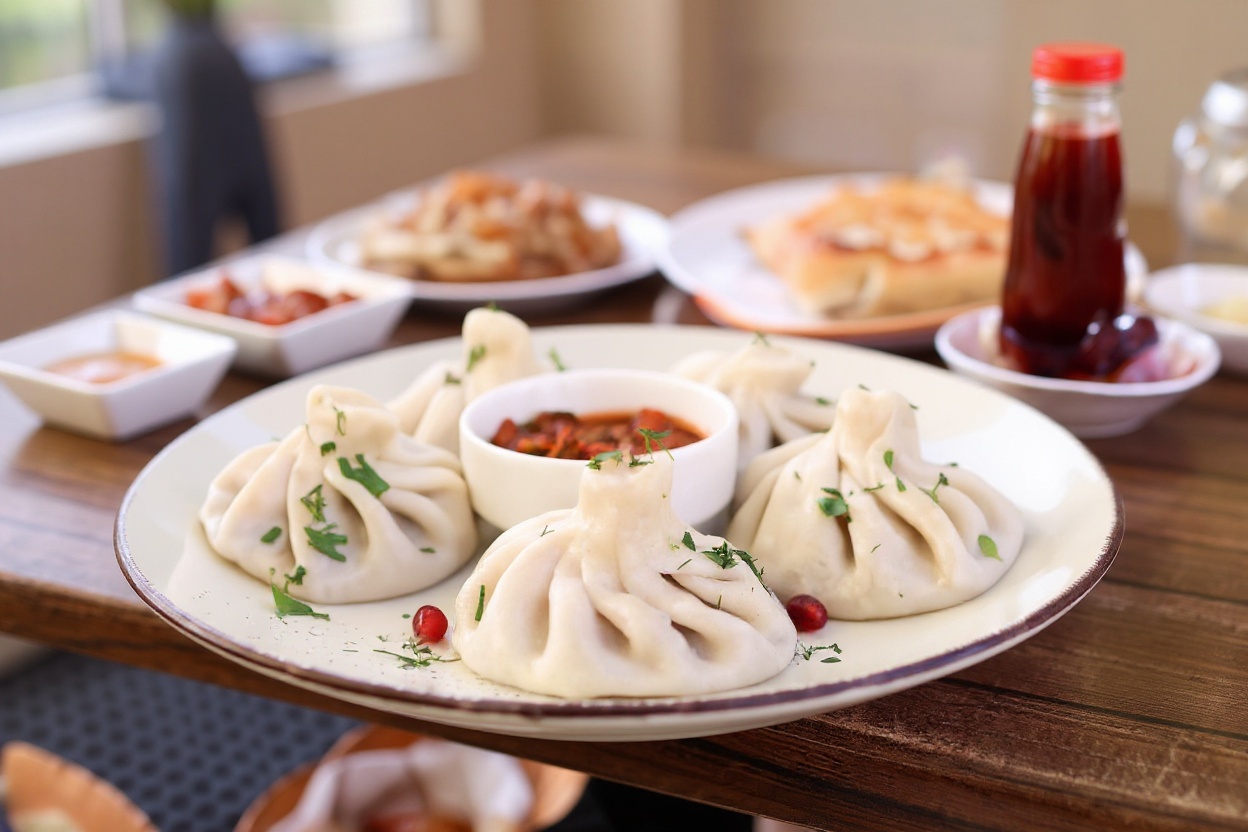
This is genuinely, not theoretically, important. Bite the dumpling the wrong way and you’ll spray broth across the table. The handle-first method is not a quirk; it’s the correct eating technique for a dumpling designed to deliver concentrated meat broth without loss.
Where to find the best: Cafe Daphna (consistently recommended in current 2026 Reddit threads as best khinkali), Shemomechama, and Amo Rame Bani (“has the best khinkali so far” — r/tbilisi, 2026). Price: 1.20–2.50 GEL per dumpling (~£0.34–0.70 / $0.43–0.90). Order 5–10 per person. They’re small.
Khachapuri (ha-cha-PU-ree)
Cheese bread, in several regional styles. Adjarian khachapuri — the boat-shaped one with a runny egg cracked into it at the table — is the one worth seeking out in Tbilisi. The egg goes in while the bread is still oven-hot, the cheese is already half-melted, and the combination of butter, egg, and sulguni (Georgian brined cheese) is extremely effective.
Imeretian khachapuri (flat, round, filled) is cheaper and available from street bakeries for 5–8 GEL (~£1.40–2.25 / $1.80–2.90). For the full Adjarian experience: Stamba or Puri Guliani (both recommended consistently on current r/tbilisi threads). Price at a restaurant: 10–15 GEL (~£2.80–4.20 / $3.60–5.40).
Khachapuri (Adjarian): the specific order
Ask for it “egg on top” if it’s not the default at your restaurant. When it arrives, use the edge of the bread boat to mix the egg into the cheese while everything is still hot. The correct procedure is to tear off a piece of the bread crust and use it to scoop. No cutlery needed. No apologies necessary.
Shotis Puri (Bread from the Tone Oven)
The long canoe-shaped bread baked in a cylindrical clay oven (tone — say: TOH-neh). The baker slaps the raw dough against the inner wall of the oven, and it comes out with a blistered crust and a soft, slightly smoky interior. From a tone bakery at 6am, this is the best bread you’ll find anywhere in the city.
Cost: 2–3 GEL (~£0.56–0.84 / $0.72–1.08). Find tone bakeries by smell and smoke — there’s usually one within five minutes walk of anywhere in the Old Town at dawn. Buy one while it’s still warm. This is the correct Tbilisi breakfast before the city wakes up.
Badrijani Nigvzit (Aubergine with Walnut Paste)
Fried aubergine slices rolled around a walnut, garlic, and herb paste. Served cold as an appetiser. Often garnished with pomegranate seeds. The walnut paste — made with Georgian spice blend khmeli suneli, garlic, coriander, and fenugreek — is a flavour profile that doesn’t exist in the same form elsewhere. Order this at every sit-down meal where it appears on the menu. It costs 6–9 GEL (~£1.70–2.50).
Pkhali (Herb and Walnut Balls)
Cold appetiser of finely minced herbs (usually spinach, beetroot, or green bean), crushed walnut, garlic, and spices, formed into small balls. Often served in a trio of different vegetable bases on one plate. The walnut-herb combination is characteristic of Georgian cuisine and shows up in multiple dishes — pkhali is the version that lets you taste it directly. 6–8 GEL for a plate.
Where to Eat in Tbilisi: Neighbourhood by Neighbourhood
Old Town (Kala)
The Old Town has the highest concentration of wine bars and mid-range restaurants, plus the widest range of quality. It also has the most tourist-facing restaurants. The rule for Old Town: avoid any place with photos on the menu outside and 40+ items. Seek out places with shorter menus written on a chalkboard and a wine list dominated by Georgian producers.
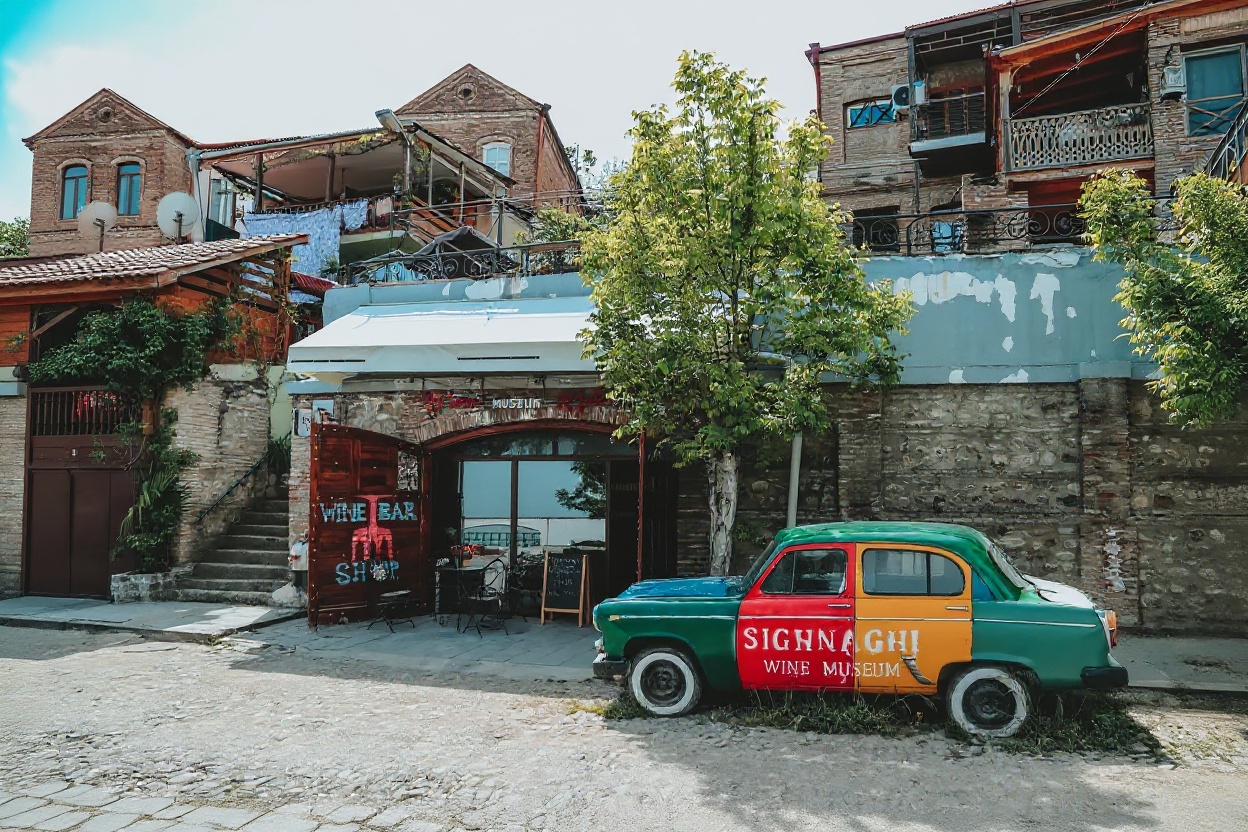
Salobie Bia and Shavi Lomi are both consistently cited by Culinary Backstreets as reliable choices. Khasheria, Ezo, Terracotta, and Alubari are also in the current rotation. These names change — Tbilisi’s restaurant scene evolves quickly. What doesn’t change is the indicator: short menu, local staff who know the food, wine by the glass from Georgian wineries.
For a genuinely local meal: Sasadilo Coca-Cola. This is a no-frills workers’ canteen style place, no booking required, cash only, frequented by locals rather than tourists. The name is confusing but the food is real Georgian home cooking at prices that make the wine bars look expensive. “If you really want a place for real locals — Sasadilo Coca-Cola. No booking.” (r/tbilisi, 2024.)
Aghmashenebeli Avenue
The street food hub of Tbilisi. During the day: bakeries, shaurma (the Georgian version of shawarma, usually served with more herbs and tarragon), and café culture. After dark: the best street food strip in the city. Grab a shaurma at 11pm and watch the Tbilisi night move around you — this is the correct use of this street.
Lobiani — bean-filled bread, street-food version — is available from the small bakeries along this stretch for 2–4 GEL (~£0.56–1.12). This is the budget food option that locals eat as a breakfast, a quick lunch, and occasionally a midnight snack. It also happens to be very good.
Vera District
Ten minutes walk from Freedom Square, Vera has been Tbilisi’s creative neighbourhood for decades. The restaurants here are more experimental with Georgian food — traditional recipes done differently, modern presentations, better wine lists. Iakobe’s Ezo in Vera: outdoor summer seating, elegant menu, a listening bar indoors in winter. A meal here runs 50–80 GEL (~£14–22.40 / $18–28.80) per person with wine. Worth it.
Fabrika — the old Soviet sewing factory converted into a hostel, café, and event space — is nearby. The breakfast at Fabrika has a good reputation; the complex overall is worth a walk through to see how Tbilisi is repurposing Soviet industrial infrastructure.
Vake
The upscale residential district west of the centre. The restaurants in Vake are more expensive, more formal, and serve a local upper-middle-class clientele alongside business travellers. Craft Wine Restaurant (mentioned in r/tbilisi as “best modernized Georgian”) is here. Meals run 80–150 GEL per person with wine. Good quality; not the adventurous end of the city’s food scene.
The Georgian Wine Situation
“Georgia has been making wine for 8,000 years. Everyone else is just catching up.” I’ll stand by this.
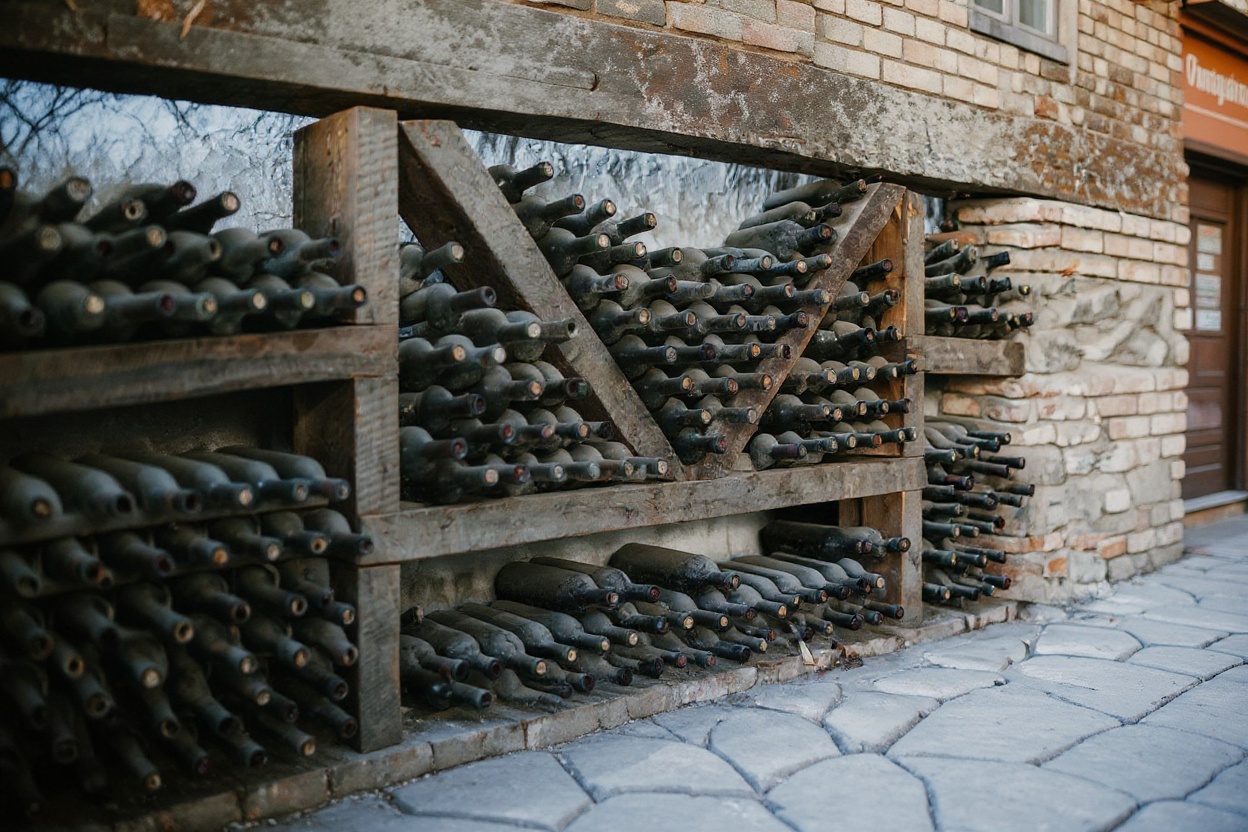
Qvevri (KVEV-ree) wine is made by fermenting both the juice and the grape skins together in clay amphorae buried in the earth. The skin contact produces wines that are amber-coloured, with a specific oxidative quality and tannins you don’t expect in a white wine. This is not a trendy natural wine movement — it’s a 6,000-year-old production method that was almost lost during the Soviet period and has been revived by Georgian winemakers since independence.
The experience of drinking a proper qvevri wine for the first time is one of those things that changes your frame of reference for what wine can taste like. Giorgi (the Kakheti winemaker who accidentally kept me in Georgia for three years) produces an unfiltered Rkatsiteli in qvevri that drinks like concentrated autumn. That’s not marketing language — it’s the actual flavour profile.
Wines to try: Rkatsiteli (the main white grape, amber wine when made in qvevri), Saperavi (the dominant red — deep, dark, structured), Mtsvane (lighter white, floral). Prices: 8–15 GEL per glass at a wine bar (~£2.24–4.20 / $2.88–5.40), 25–60 GEL for a bottle retail.
Wine bar recommendation: Craft Wine Restaurant (modernized Georgian, Vake district), Okro’s Wine (Old Town area, small producer focus), and the informal wine bars in the Old Town’s quieter streets. Ask specifically for qvevri wine if you want the traditional method — not all Georgian wine is made this way, and the restaurant-facing bottles are often the more conventional styles.
The Georgian Supra: What to Know
Every Georgian feast (supra — SOO-pra) is led by a tamada (tah-MAH-dah) — a toastmaster elected by the group. The tamada’s job is to guide the evening through a structured series of toasts: to Georgia, to guests, to family, to ancestors, to peace, to the future. Each toast is responded to by the group. Wine is drunk at the end of each, not between.
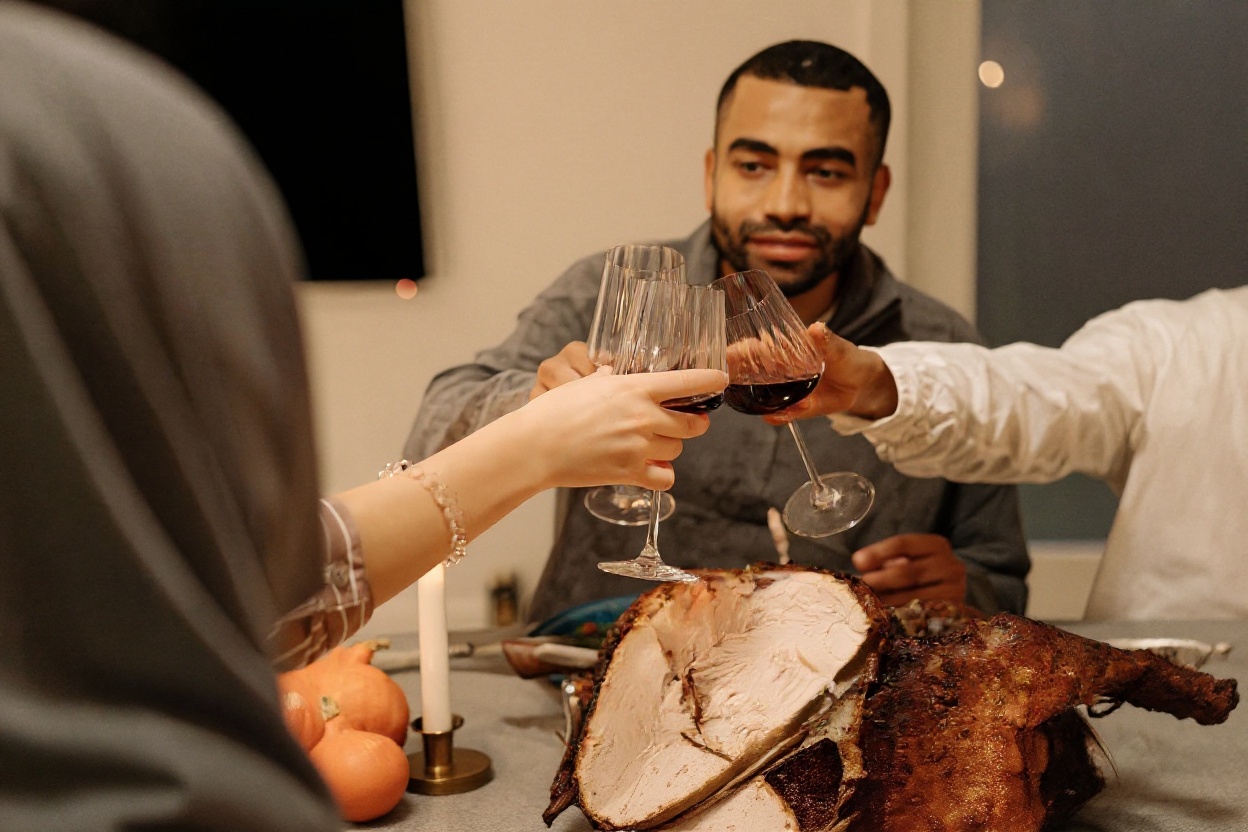
The correct response to a toast you don’t speak Georgian for: gamarjoba (gah-mar-JO-bah — literally “victory”), which functions as both hello and affirmation. A guest who tries to say gamarjoba gets points. A guest who drinks between toasts gets a look.
The most authentic supra experience is in a family-run guesthouse — in Old Tbilisi, or better yet, in the Kakheti wine country where the vineyards are and the culture that produced the ritual is still living. The tourist supra experience in city restaurants (usually a set price, fixed menu, planned toasts in English) is a version of the thing but not the thing. Ask at your accommodation whether there’s a family dinner event available — this is how the genuine experience is most often accessible.
Recommended Restaurants: The Current List
From current r/tbilisi threads and my own rotation:
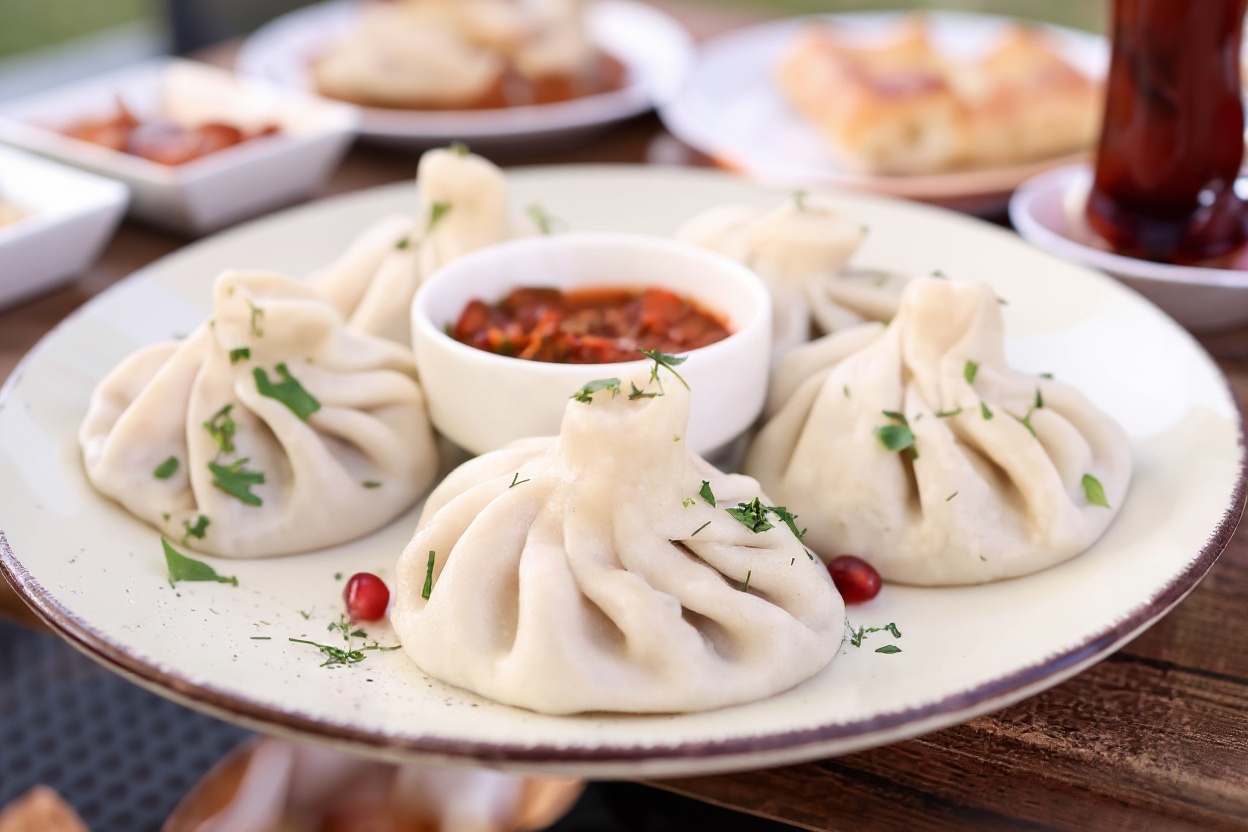
Cafe Daphna — best khinkali in current community consensus. Not fancy. Absolutely worth it.
Honoré — “the best mtsvadi (bbq) and in general, amazing comfort food. Beautiful yard and interior.” (r/tbilisi, 2026.) The mtsvadi (Georgian barbecue — meat on a skewer, cooked over vine wood) is what you come for.
Weller — best Middle Eastern food in Tbilisi, which sounds like a strange recommendation in a Georgian food guide but Tbilisi has a surprisingly good international food scene. Relevant if you’ve been eating khinkali for five days and need a break.
Lolita — best café for working from / afternoon coffee / reading a novel. Not a restaurant, but worth knowing about. Vera district. The coffee at Lolita is specialty-grade roasted by Georgian micro-roasters — a scene that has exploded in Tbilisi since around 2018. Cafés here take espresso seriously in a way that European capital cities often don’t. If you’re spending a morning in Tbilisi before the food begins, the café culture is worth engaging with on its own terms. A double espresso runs 6–8 GEL (~£1.68–2.25). Sit outside if the weather allows. The Vera street terraces in summer are the correct place to watch the city move.
Guramishvili’s Marani in Saguramo — “40–50 minutes on taxi, but it’s worth it.” Family winery with attached restaurant, 40km north of Tbilisi. “Best service I’ve encountered in Georgia, very attentive and professional, no hidden fees, great food and cheap and good wine too.” (r/tbilisi, 2024.) Worth the taxi for the full Georgian winery lunch experience.
Pasanauri restaurants — Pasanauri, the village on the Georgian Military Highway about 70km north of Tbilisi, is famous for the original version of khinkali (meat and herbs, no spices — the mountain version that predates the Tbilisi adaptation). The restaurants along the main road through Pasanauri serve this version. Worth stopping on the way to Kazbegi.
What Ben Got Wrong (The First Time)
I ordered the wrong thing at my first dukani in Tbilisi. I saw “meat soup” on the menu, assumed I knew what I was getting, and received a bowl of chikhirtma — a light chicken broth thickened with egg yolk and vinegar, with coriander, that tastes nothing like any meat soup I’d ever had. Not bad. Not what I expected. I ate it slightly confused and said it was good, which it was.
The lesson: Georgian food categories are not what the English translations suggest. “Soup” in Georgia can mean chikhirtma (egg-thickened chicken broth) or kharcho (walnut-spiced beef soup with rice, dense and aggressive) or chakapuli (spring lamb with tarragon, more stew than soup). The word on the menu tells you less than you think. Ask what’s in it. Point at what someone nearby is eating. These are the correct strategies.
My second mistake was ordering Saperavi as my first wine because it was the only Georgian grape I’d heard of before I arrived. Saperavi is a full red wine with serious tannins. On its own before food, at room temperature, in a restaurant without air conditioning in August: overwhelming. The correct order is amber wine first — Rkatsiteli in qvevri — then Saperavi with the khinkali or the mtsvadi. The amber wine is what Georgia does that nowhere else does. Start there.
Third mistake, which I’ve seen repeated: ordering too much. Khinkali are small and you think you’re being sensible ordering six. Then the khachapuri arrives, then the pkhali, then someone orders lobiani because it was only 5 GEL, and suddenly there’s more bread and dumplings on the table than five people can finish. Georgian restaurants are designed for sharing and for quantity. Order half what you think you need, then order more if you finish it. The food at most dukani doesn’t get significantly worse as the evening goes on.
How to Read a Georgian Menu
Most Tbilisi restaurants serving tourists have English menus. The quality of the English varies significantly. Some things to know:
“Sauces” in Georgian cooking usually means tkemali (sour plum sauce, green or red), satsivi (walnut sauce, cold), or bazhe (another walnut sauce, used differently). These are served alongside meat dishes and are not decorative. Use them.
“Salad” in a traditional dukani often means a simple tomato-and-cucumber plate with walnut oil dressing, or the Tbilisi salad (tomato, cucumber, walnut, herbs). Not a complicated dish but one that functions well as a break from the heavier courses.
“Beans” usually means lobio — stewed kidney beans with Georgian spices and herbs, served in a clay pot. Standard side dish. Much better than the description suggests. Order it.
Menu length is information. A dukani with 8 dishes has a kitchen focused on what it knows how to cook. A restaurant with 45 items is either exceptional (rare) or defrosting things (common). When in doubt: shorter menu, full tables, locals present.
The “daily special” logic: Ask the staff what’s available today rather than what’s on the menu. Georgian restaurants often have seasonal or daily preparations — fresh churchkhela (walnut-grape candy chains, everywhere in autumn), seasonal vegetables, whatever came in from the market that morning. These aren’t always written down. The best meal I had in a Vera district restaurant was because I asked what wasn’t on the menu. The answer was a walnut-stuffed chicken in tkemali sauce that had been cooking since noon. Not written anywhere. Ask.
- What food is Tbilisi known for?
- Khinkali (spiced meat dumplings filled with broth — pick up by the twist, drink broth first), khachapuri (cheese bread, particularly the Adjarian egg-and-cheese boat version), and qvevri amber wine (made by fermenting grape skins in buried clay amphorae for 6,000 years). Tbilisi also has excellent street food — shotis puri (bread from clay ovens), lobiani (bean bread), shaurma — and a growing natural wine and creative restaurant scene.
- How much does food cost in Tbilisi?
- You can eat well for $20–30/day if you combine street food and dukani (traditional restaurant). Budget travellers report 80–120 GEL/day (~£22–34 / $29–43) covering accommodation, food, and transport. A mid-range dinner with wine at a proper restaurant runs 40–70 GEL (~£11–20 / $14–25) per person. The best restaurants in Tbilisi struggle to exceed $80 per person even with wine — the city is exceptionally good value by European standards.
- What is qvevri wine and is it worth trying?
- Qvevri (KVEV-ree) wine is made by fermenting grapes — including the skins — in large clay amphorae buried in the earth. The result is amber-coloured white wine with a distinctive oxidative character, tannins you don’t expect in a white, and a flavour unlike anything produced by conventional winemaking. Georgia has been doing this since approximately 6000 BC. Try the Rkatsiteli grape made in qvevri. Ask for it specifically at wine bars in the Old Town — not all Georgian wine is made this way.
- What are the best areas to eat in Tbilisi?
- Old Town (Kala) for wine bars and traditional restaurants; Aghmashenebeli Avenue for street food — especially after dark for shaurma and bakery food; Vera district for creative modern Georgian (Iakobe’s Ezo, Lolita café); Vake for upscale dining (Craft Wine Restaurant). The rule across all areas: shorter menus are usually better kitchens. A restaurant with 12 items and a focused wine list beats a 40-item menu every time.
- What is a supra and should I try to attend one?
- A supra is a Georgian feast with ritual toasts led by a tamada (toastmaster). It’s not a dinner party — it’s an institution with specific structure, specific wines, and specific social meaning. The authentic version happens in family homes and guesthouses. Tourist restaurant supras exist but are a performance rather than the experience. Ask your accommodation about family dinner events in the Old Town or in Kakheti wine country. If invited to a genuine local supra, accept immediately.
- Is Tbilisi good for vegetarians?
- Yes, more than most Caucasus destinations. Pkhali (herb and walnut balls), badrijani nigvzit (aubergine-walnut rolls), lobiani (bean bread), mchadi (cornbread), and many of the Georgian stewed vegetable dishes are vegetarian. Khachapuri is cheese-based and inherently vegetarian. The one gap: khinkali are usually meat. Ask for “vegetarian khinkali” (some places make them with mushrooms or potato filling) or focus on the bread-and-cheese-and-vegetable courses, which in Georgian cooking are numerous and excellent.
Tbilisi Coffee Culture: The Third Wave Arrived
This section exists because people consistently underestimate how good Tbilisi’s specialty coffee scene has become. If you’re used to third-wave coffee in London or Melbourne, Tbilisi is now — genuinely — in that conversation. The micro-roasters here have been sourcing seriously since around 2018 and the result is a café scene that punches well above what the city’s price level would suggest.
Lolita (Vera district): the café most often cited by Tbilisi’s creative class as the correct place to spend a morning. Specialty-grade espresso, outdoor seating, a secondhand bookshelf that functions as a library on the honour system. Double espresso: 6–8 GEL (~£1.70–2.25). The terrace in summer is how you understand what the city feels like when it’s not being a tourist destination.
Fabrika’s coffee kiosks: the converted Soviet factory hosts several coffee operators who rotate. Quality varies but the better ones — there’s usually a Norma or Baraka roaster operating — are excellent. The Fabrika courtyard is the social destination; the coffee is the thing that extends the visit. 5–8 GEL for a specialty espresso drink.
Cozy (Rustaveli area): the specialty café closest to the tourist centre, which both helps (easy to find after Narikala) and hurts (slightly more tourist-facing than the Vera options). Still worth knowing about. The cortado is consistently good.
The geography teacher in me needs to note: Tbilisi has good coffee for the same reason it has good wine. It’s a city with strong café culture that predates the specialty coffee movement — the traditional Georgian coffee (drip-style, served in a small džezva on some older cafés) is a different register entirely. The specialty scene is the second layer. Both are worth trying.
Street Food: Beyond Khinkali
The khinkali gets all the coverage. The street food scene deserves more.
Shaurma Georgian-style: This is not a doner kebab. The Georgian shaurma uses a thinner bread (lavash-style rather than pitta), more herbs (tarragon particularly), and a specific combination of sauces that includes tkemali (sour plum). Get one at midnight on Aghmashenebeli Avenue. 8–12 GEL (~£2.25–3.35).
Churchkhela: Walnuts threaded on string, dipped repeatedly in grape must until they form a long cylindrical candy. They look like candles, they taste unlike anything in a Western confectionery tradition, and they’re available from every market stall in Georgia. 3–5 GEL. Buy one, carry it in your bag, eat it over a day. It doesn’t need refrigeration.
Lobiani: Bean-filled bread from street bakeries — specifically the bean version of khachapuri, flatter and simpler. Buy one from a bakery on Aghmashenebeli for 3–4 GEL at 7am. This is what the locals eat for breakfast before they have to be somewhere. It’s excellent and nobody writes about it because it’s not photogenic.
Fresh shotis puri from the tone oven: I’ve mentioned this above but it warrants emphasis — a tone bakery at 6am, a long boat-shaped loaf slapped against the clay oven wall, bought for 2–3 GEL while it’s still too hot to hold. This is the correct Tbilisi breakfast. Find it by smell and smoke in the Old Town. The smell is bread and fire and something slightly smoky from the clay. You’ll know.