Batumi Travel Guide: Georgia’s Black Sea City, Properly Explained
Updated June 2026 — Ben Fletcher has been based in Tbilisi for three years and has visited Batumi four times, including once in November when the subtropical rain was constant and the city was completely empty and arguably better for it. Prices verified June 2026.
Batumi sits on the Black Sea in southwestern Georgia, 8km from the Turkish border, and is unlike any other city in the country. The Old Town has wooden balconied houses and a mosque and an Orthodox church on the same square. The Boulevard runs 6km along the seafront. The Botanical Garden above the coast is genuinely extraordinary. And Adjarian khachapuri — the boat-shaped version with egg and butter — is from here, and is better here than anywhere else. Three days is the right amount of time.
What Batumi Actually Is (and What the Skyline Is About)
Batumi is the capital of the Adjara region and Georgia’s second-largest city, population around 160,000. The climate is subtropical — warm, humid, and genuinely wet. The annual rainfall is 2,500mm, which makes it the wettest city in Georgia and one of the wettest in the entire Caucasus. The vegetation is correspondingly lush: palm trees on the Boulevard, enormous ferns in the botanical garden, the kind of green that doesn’t exist in Tbilisi’s drier climate.
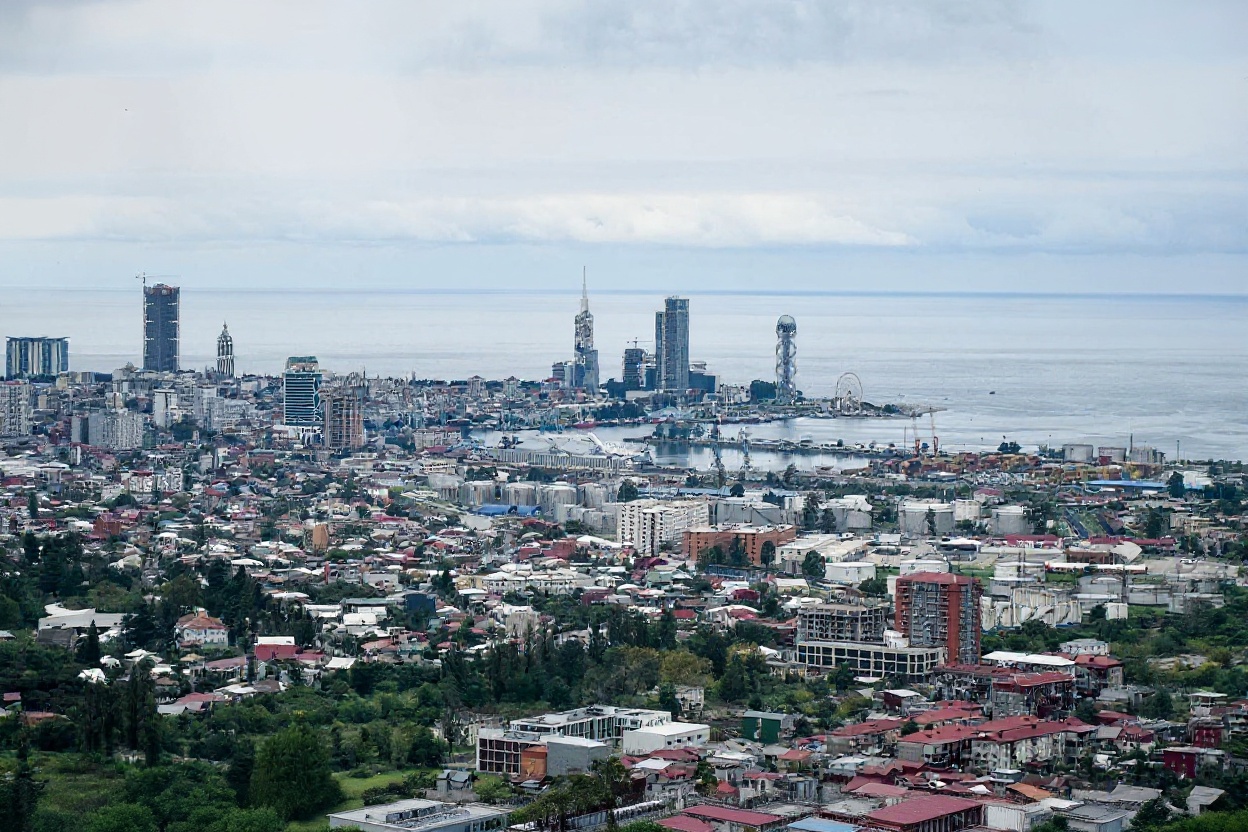
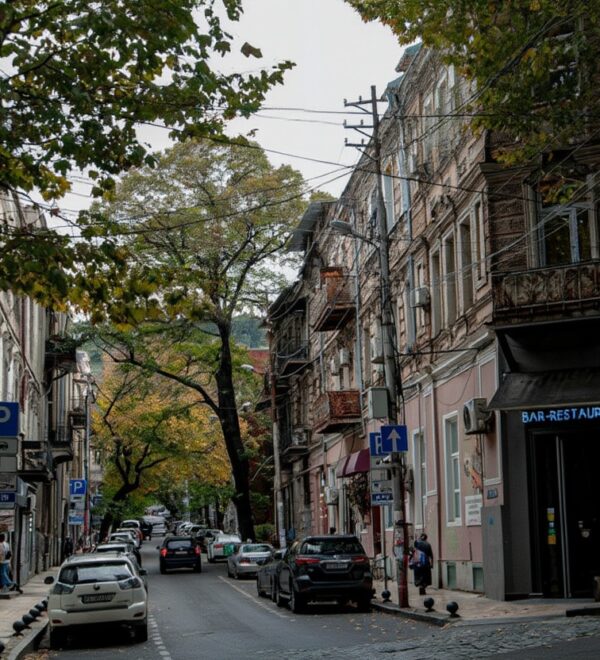
The city has two distinct visual layers. The Old Town — built over Ottoman, Russian Imperial, and Soviet periods — has the characteristic wooden balconied houses of the Adjara region, a 16th-century mosque (the Orta Jame), and cobblestone streets that look like someone dropped a corner of Istanbul into Georgia. Then, rising behind it, there’s a skyline of glass skyscrapers built during the 2010s construction boom — the Alphabet Tower, hotel towers, casino buildings — that looks like it arrived from a different city entirely.
The casinos explain the skyline. Batumi has around 20 casinos and is the gambling capital of the Caucasus, drawing visitors from neighbouring countries where gambling is heavily restricted. This drives significant investment and has funded the Boulevard development, the Piazza Square reconstruction, and several of the hotels. The casinos are a fact of the city. They’re not intrusive if you’re not interested in them, and they’re worth understanding as context for the development pattern.
Georgia as a whole gained independence from the Soviet Union in 1991. Adjara had a complicated additional layer — it was semi-autonomous under a local strongman (Aslan Abashidze) until 2004, when he fled after Mikheil Saakashvili’s government moved troops to the region. The development and modernisation of Batumi accelerated significantly after 2004. The Before and After of the city is visible in the architecture if you look for it.
The Old Town: Where to Spend Your First Afternoon
The Batumi Old Town (Sakhalakho) is compact — about 800 metres across — and best explored on foot over two hours. The main features are the Orta Jame mosque (the only functioning mosque in Batumi, dating to the Ottoman period), the Cathedral of the Mother of God (Georgian Orthodox, rebuilt after Soviet-era damage), and the Piazza Square at the centre — a somewhat artificial recreation of a Mediterranean square built in 2012 that is more pleasant than it has any right to be.
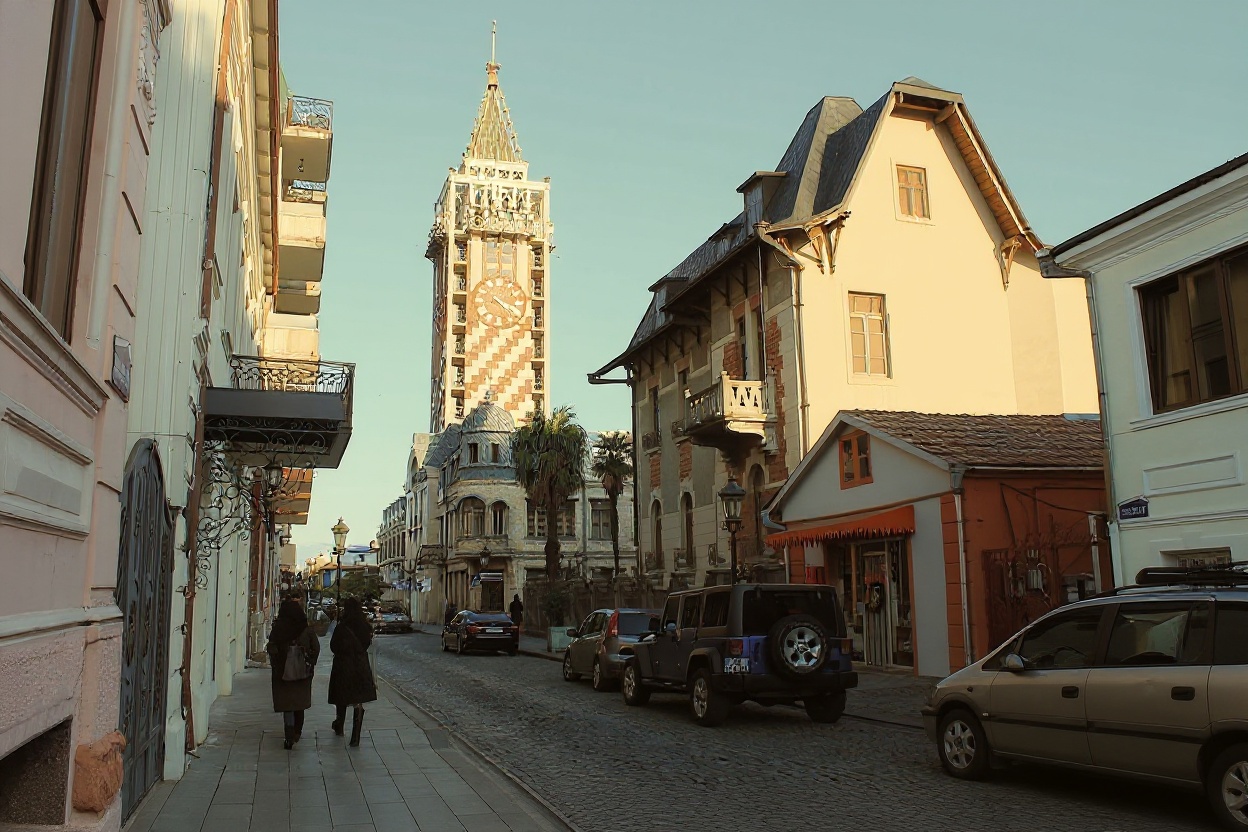
The wooden balconied houses are the architectural detail worth looking for. The style is specific to the Black Sea region — carved wooden verandas stacked two or three floors high, overhanging the street, with the bottom floor usually shops or a workshop. Many are in disrepair; some have been beautifully restored. The intersection of Pushkin Street and Zubalashvili Street has the best concentration.
The coexistence of mosque and church in the same neighbourhood — literally 200 metres apart — is a feature of Adjara’s history. The region was Muslim-majority under Ottoman rule and only became majority Christian again after Russian annexation in 1878 and subsequent population shifts. The geography of religious buildings in the Old Town reflects that history visibly.
BEN’S PICK: Walk the Old Town at 8am before the tourist activity starts. The Orta Jame does the call to prayer at dawn and the sound echoes through the narrow streets in a way that’s genuinely unexpected in a Georgian city. By 9am the square has cafés opening. By 10am it’s a manageable tourist flow. By noon in July it’s crowded. The early morning version is the Old Town to hold onto.
Batumi Boulevard: The 6km Promenade
The Batumi Boulevard runs along the Black Sea seafront for 6km from the Old Town northward. It was originally built in 1881 under Russian rule, extended significantly in the 2000s, and is now one of the longer seafront promenades in the Caucasus. The surface is wide enough for cyclists and pedestrians without conflict. There are cafés, bars, a Ferris wheel, and — at the northern end — the fountain complex that gets lit up at night in a manner that Batumi considers tasteful.
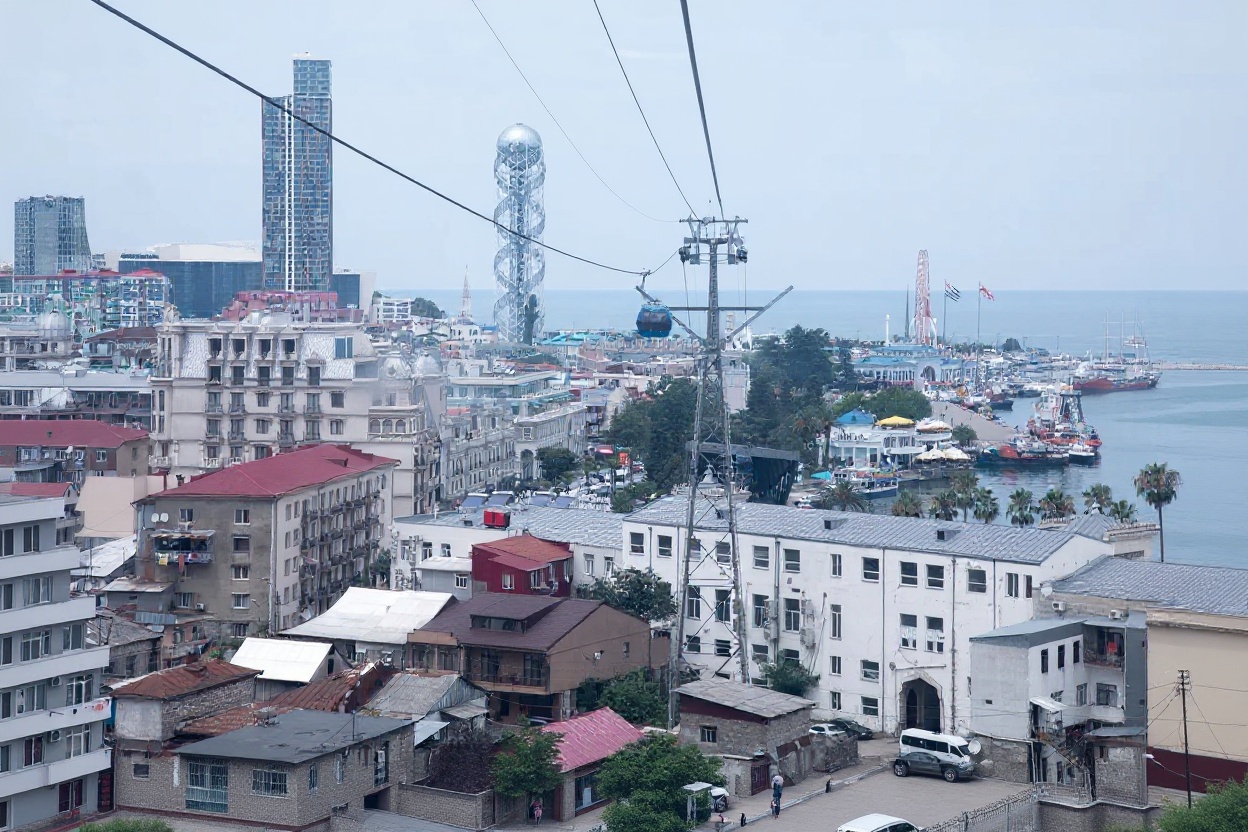
The famous kinetic sculpture at the Boulevard — the Ali and Nino statue, based on the Azerbaijani novel about Georgian-Azerbaijani love — is worth finding. Two nine-metre aluminium figures move toward each other, merge, pass through each other, and separate, continuously. It takes about 10 minutes to complete a cycle. It’s unexpectedly moving for a tourist landmark and worth the 10 minutes.
The Black Sea beach along the Boulevard is pebble, not sand. The water is clean enough to swim in June through September. Black Sea swimming is different from Mediterranean — the water is less salty, which feels different if you’re used to the Med, and the temperature in June is around 20°C (fine) rising to 26°C by August. The beach gets busy in July and August. May and September are the better months for beach time without the volume.
| Batumi at a Glance (2026) | |
|---|---|
| Distance from Tbilisi | 313km — 4.5–5 hours by marshrutka / 5.5 hours by train |
| Marshrutka cost | 25–30 GEL (~£7–8.40) from Tbilisi Didube terminal |
| Train (night train) | 20–60 GEL depending on class — departs ~11pm, arrives 5:30am |
| Climate | Subtropical — hot summers, mild winters, high year-round rainfall (2,500mm/yr) |
| Botanical Garden entry | 15 GEL (~£4.20) — cable car up additional 10 GEL |
| Budget accommodation | 35–60 GEL/night guesthouse / 80–150 GEL mid-range hotel |
| Adjarian khachapuri | 12–18 GEL at a proper Old Town restaurant |
| Best months | May–June and September–October. July–August: hot, busy, rainy. |
| Currency | GEL — 1 GEL ≈ £0.28 / $0.36 |
Batumi Botanical Garden: The Reason to Go Early
The Batumi Botanical Garden is 10km north of the city centre, established in 1912 by the Russian Imperial Botanical Society. It covers 113 hectares of coastal hillside above the Black Sea and contains plant collections from subtropical regions worldwide — Japanese bamboo groves, Mexican cacti, New Zealand tree ferns, Himalayan rhododendrons — all in the same lush Georgian coastal climate that makes everything grow aggressively.
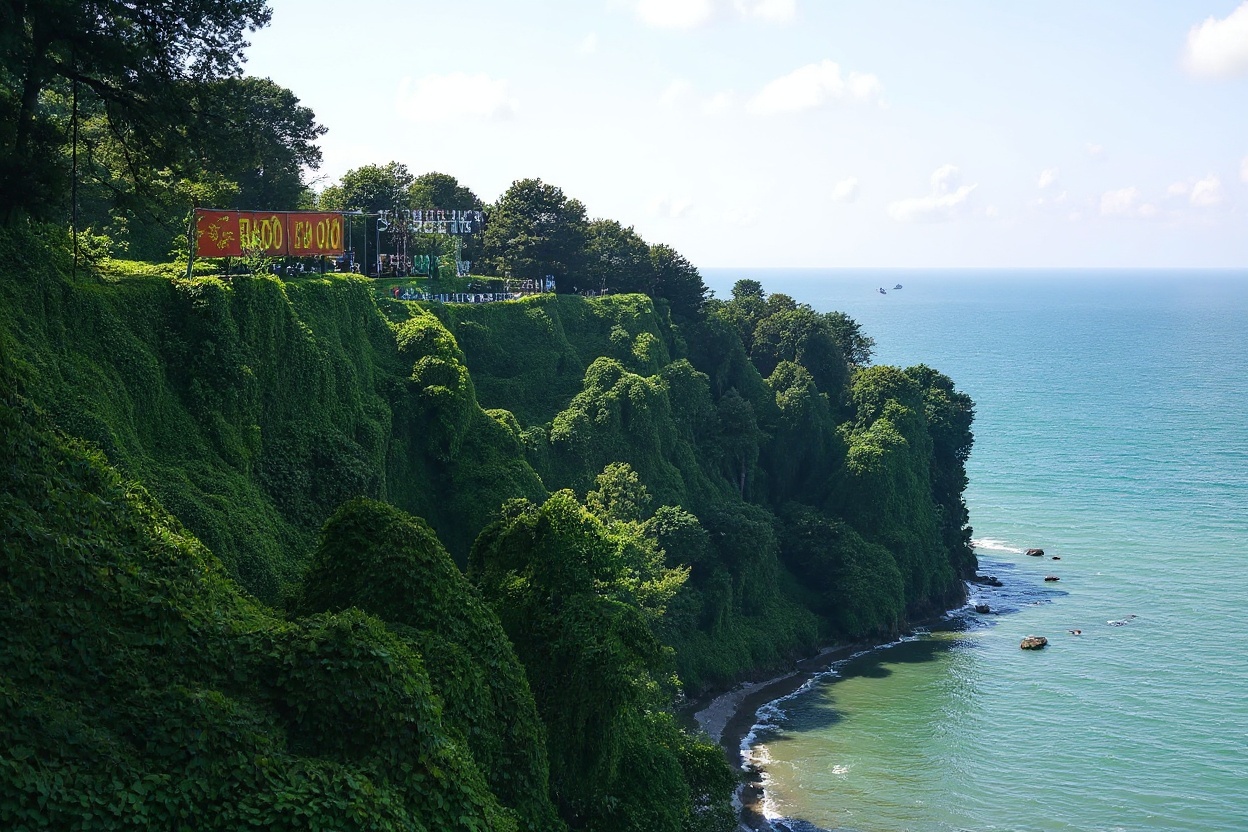
Entry: 15 GEL (£4.20 / $5.40). Cable car from the entrance up to the top section: additional 10 GEL. The cable car is worth taking up and walking down — the descent through the garden takes about 90 minutes at a leisurely pace and the views over the Black Sea at the top are the best perspective on the Batumi coastline available without a drone.
The scent at the botanical garden in May — when the rhododendrons are blooming and the subtropical vegetation is at peak growth after winter — is one of those specific sensory memories that doesn’t correspond to anywhere else. Georgia has good mountain air and good wine smells. This is different: humid, floral, slightly dense with oxygen in a way that feels medicinal.
Get there for opening (usually 9am in summer) and plan 3 hours minimum. The garden is genuinely large enough to get pleasantly lost in. Bring water and sun protection — the upper sections are exposed.
Adjarian Khachapuri: The Main Food Event
Khachapuri (hah-chah-POOR-ee — cheese-filled bread) exists across Georgia in multiple regional forms. The Adjarian version — adjaruli khachapuri — is the one that’s become famous globally: a boat-shaped bread filled with melted sulguni cheese, topped with a raw egg and a knob of butter added at the table, which you stir into the molten cheese and then tear the bread crust to dip.
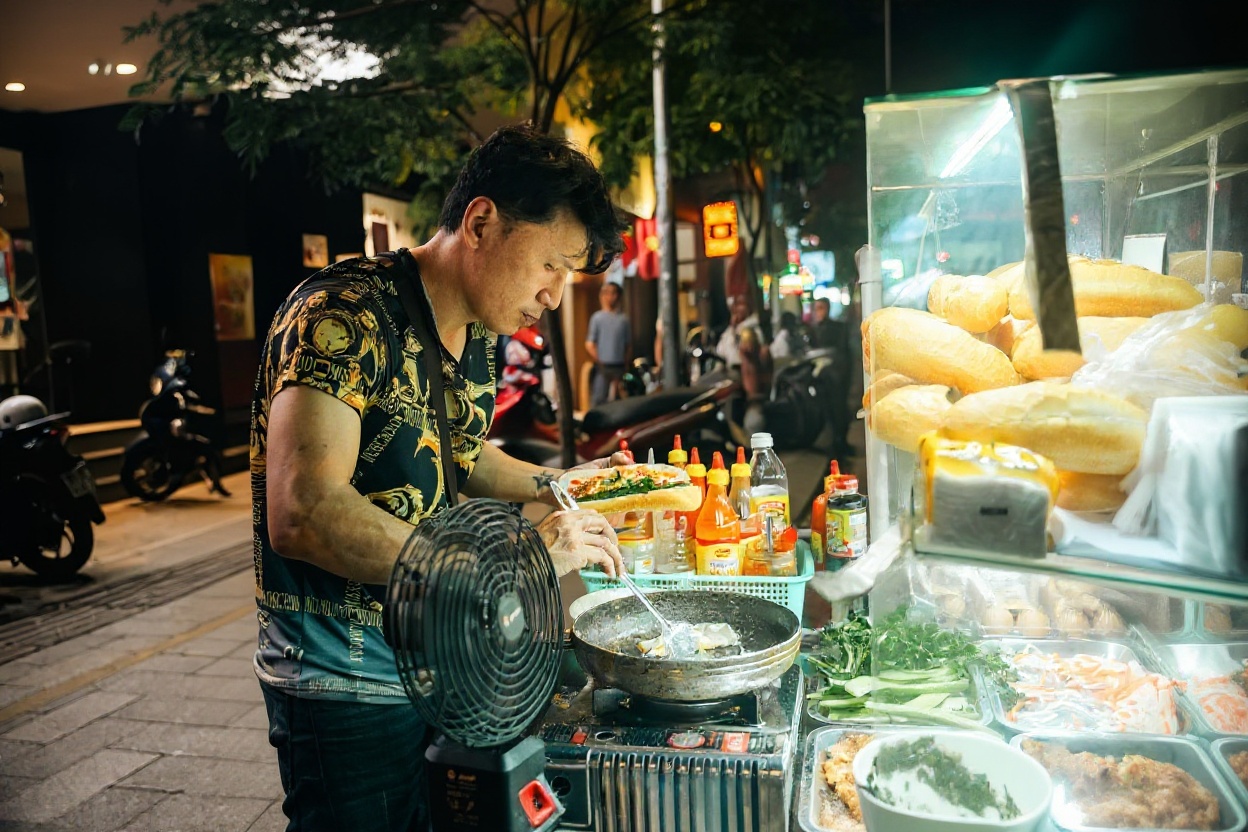
This is the dish that belongs here. You can get adjaruli khachapuri in Tbilisi and it’s good. In Batumi, made by someone whose grandmother made it the same way, the sulguni is fresher, the bread is pulled from a proper wood oven, and the ratio of egg to cheese to butter is calibrated by years of doing it. It costs 12–18 GEL (£3.40–5 / $4.30–6.50) at a proper restaurant.
REAL TALK: The khachapuri on the Boulevard tourist strip is not the khachapuri you want. The restaurants on the waterfront optimise for volume and the bread is often pre-made. The Old Town restaurants — specifically the ones where the menu is in Georgian first and the waitstaff don’t speak English fluently — are where the dish is still made properly. Look for a wood-burning oven visible from the street. That’s the signal.
Restaurant Retro (Old Town, near Piazza Square) — one of the more reliable options for traditional Adjarian food including adjaruli khachapuri, pkhali (walnut-and-herb vegetable starters), and slow-roasted meat. Family-run, chaotic at dinner, exactly right. Budget 25–40 GEL per person with wine.
Black Sea fish is the other thing to eat in Batumi. Bluefish (lufer), grey mullet, and Black Sea turbot are all local and appear on restaurant menus along the Boulevard and in the Old Town. Grilled simply with lemon and tkemali (sour plum sauce), they cost 15–25 GEL per portion. This is not the seafood of the Mediterranean — the flavour is different, cleaner, less briny — and it’s worth trying on its own terms.
Day Trips: Makhuntseti Waterfall and Adjara Canyon
The Adjara region inland from Batumi is mountainous and largely unexplored by visitors who stay on the Boulevard. Makhuntseti Waterfall — 45km east of Batumi on the road toward Shuakhevi — is a 40-metre waterfall in a limestone canyon, accessible by a short 10-minute trail from the road. Combined with the medieval Makhuntseti arched bridge nearby (same period and style as the Mes Bridge in Albania — Ottoman stone, 18th century), it makes a half-day excursion.
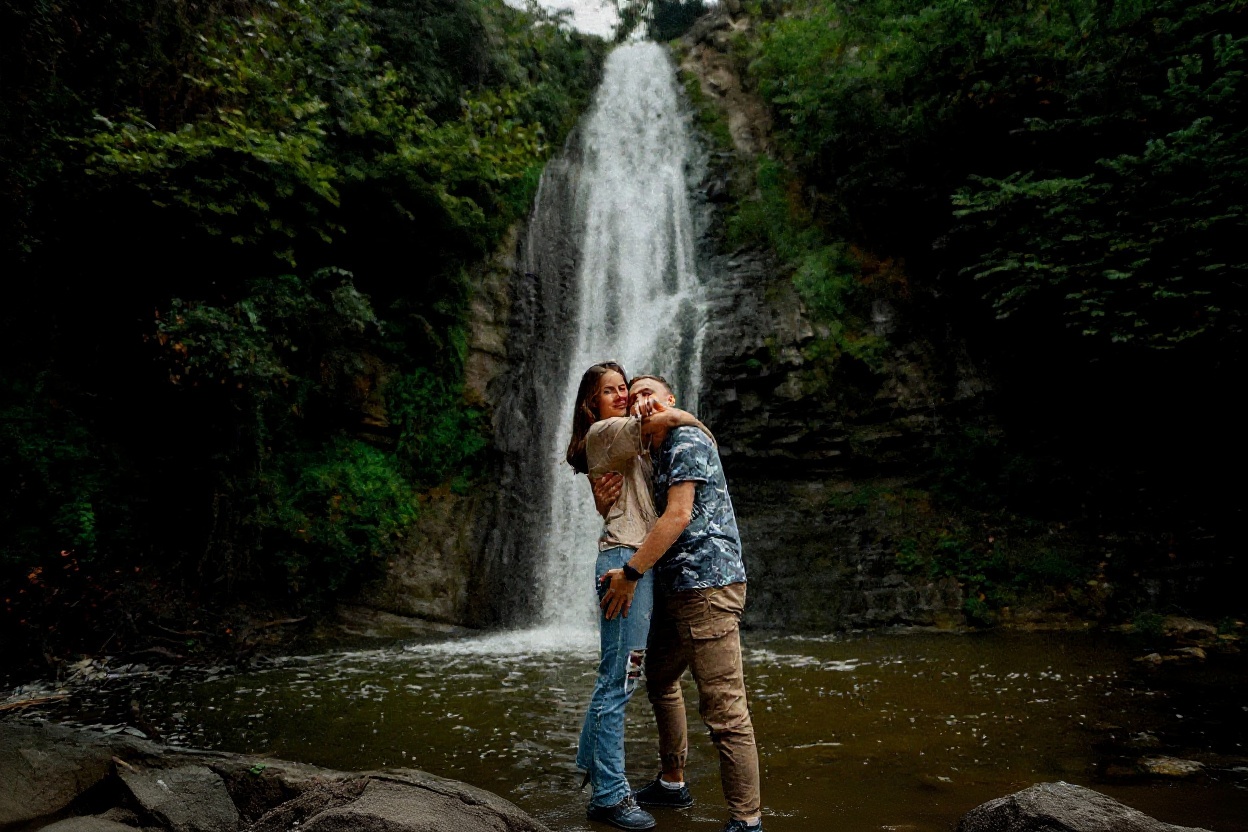
The drive to Makhuntseti takes you through the Adjarian highlands — the vegetation shifts from subtropical coast to mountain forest within 30 minutes, the road climbs steadily through hairpin bends, and the temperature drops 6–8°C. A shared taxi from Batumi costs about 40–60 GEL return. If you have a rental car, the road is paved and manageable without 4WD.
Further inland, the Shuakhevi resort area and the Goderdzi Pass (2,025m) connect Adjara to the Samtskhe-Javakheti region. The pass road has good mountain views and is occasionally used as a route to Vardzia cave city (about 3 hours east) for a longer road trip. Most Batumi visitors don’t go this far — the waterfall and bridge are the accessible highlights within a half-day framework.
Where to Stay in Batumi
Batumi has a full range of accommodation from budget guesthouses in the Old Town to the casino hotels on the Boulevard and the high-rises on the northern seafront.
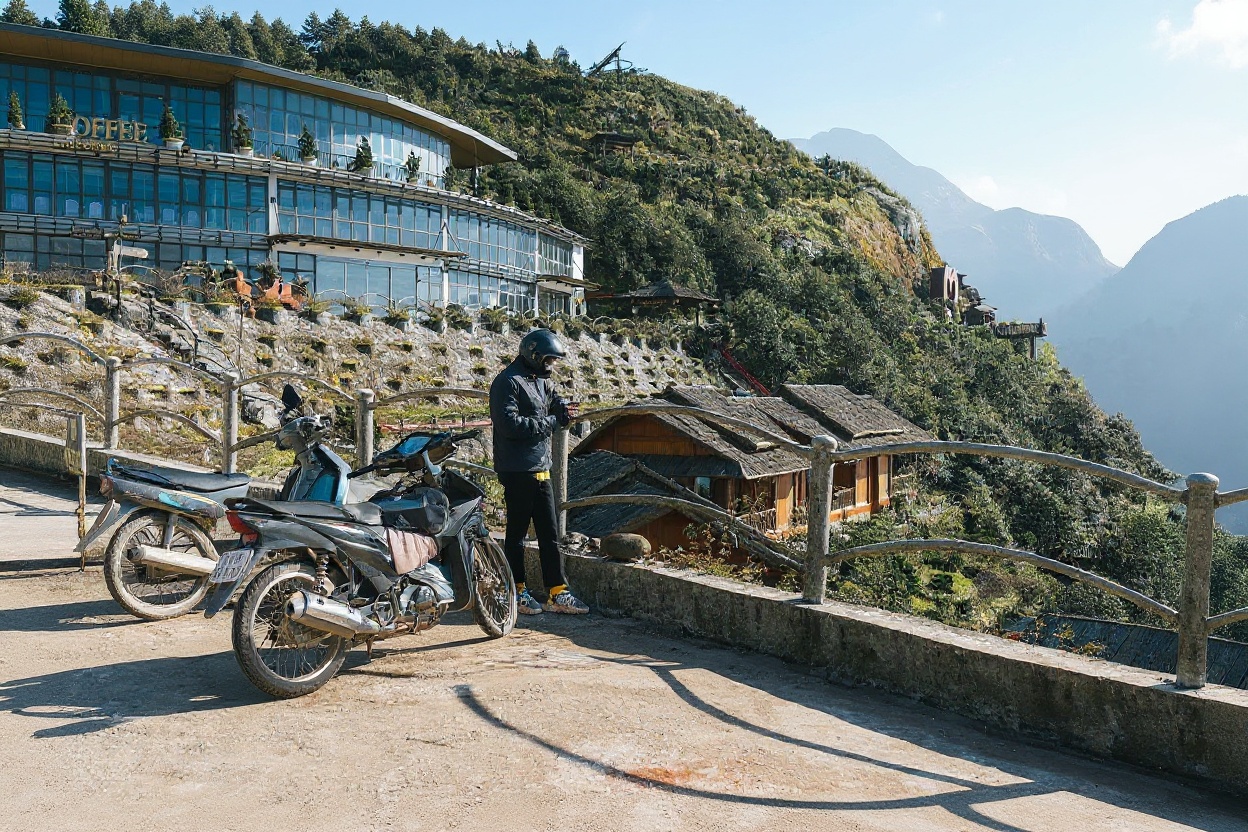
Old Town guesthouses — the best base for a proper Batumi experience. Most are in the converted wooden houses with balconies, family-run, 35–60 GEL per night for a double. The quality varies significantly — read recent reviews on Booking.com rather than going by photos, as the buildings can look better than the actual room quality. The location is correct: walk to the mosque, the square, and the decent restaurants without getting on any transport.
Boulevard hotels — the mid-range international hotels along the Boulevard (Sheraton, Hilton, and local equivalents) run 80–180 GEL per night and have the Black Sea views and pool facilities. Functionally fine. Less interesting than the Old Town as a base. Right if you’re here primarily for the beach.
Hostels — Batumi has a reasonable hostel scene concentrated in the Old Town area. Dorms from 20–30 GEL. Fine for the usual hostel demographic. The social dynamic is slightly different from Tbilisi hostels — more beach holiday, fewer long-term travellers.
Getting to Batumi from Tbilisi
The marshrutka from Tbilisi Didube terminal runs throughout the day, costs 25–30 GEL (£7–8.40 / $9–11), and takes 4.5–5 hours. It’s not comfortable — marshrutkas never are — but it’s fast, cheap, and departs frequently. The scenery on the final section through the Adjara hills is genuinely good.
The night train is the better option if you can manage your schedule around it. Departs Tbilisi around 11pm, arrives Batumi around 5:30am. Second class (kupe — four-berth compartment): 40–60 GEL. First class (spalny vagon — two-berth): 80–100 GEL. You sleep on the train, arrive in Batumi at dawn, have the early morning to yourself, and haven’t lost a half-day to travel. Book on the Georgian Railway website (mygeo.ge) a few days ahead in summer.
The Tbilisi travel guide covers the Didube terminal logistics and what to see before your Batumi departure if you’re building a Georgia itinerary through the capital first.
When to Go to Batumi
The geography teacher in me needs to address the rainfall directly. Batumi gets 2,500mm of rain annually, distributed across the year with a slight peak in autumn. There is no dry season. Any month you visit, there is a meaningful chance of rain. This is not a reason to avoid Batumi — it’s a reason to bring a waterproof layer and adjust expectations.
May–June: the best window. Temperature 22–26°C, Black Sea around 18–20°C (swimmable with commitment), vegetation at peak lush, the botanical garden in full bloom. Rain probability: present but manageable, often in the form of afternoon showers rather than all-day downpours.
July–August: hot (28–32°C), the beach is busy, and the city fills with tourists from across the region. The rain comes in tropical-style bursts — heavy and then clear. Not ideal, but functional if you like heat and company.
September–October: my preference for Batumi. The crowds thin after mid-August, the temperature is still warm (22–27°C), the sea is at its warmest (24–26°C from stored summer heat), and the botanical garden has autumn colour from late October. The rain probability is higher than summer but the tourist infrastructure is still fully open.
November–March: quiet, green, and wet. The casinos are full. The Boulevard is empty. The Old Town has a completely different character — more local, more lived-in. Not a typical tourist recommendation but genuinely interesting if you want Batumi without the performance of being a tourist destination.
The Georgia best time to visit guide covers the full regional picture — Kakheti harvest, Kazbegi, and the best months to combine multiple Georgia destinations.
The Mistake I Made (So You Don’t Have To)
My first Batumi trip was four days in late July. I’d read it was peak season. I planned the beach as the main event. Two of the four days were solid subtropical rain — not a quick shower, proper all-day downpours that filled the drains and made the Boulevard deserted. I hadn’t brought a waterproof jacket because I was going to the beach.
I ended up spending those two days in the botanical garden (turned out to be the best thing I did all trip) and eating my way through the Old Town (turned out to be the second-best thing). The beach days were fine when they happened. But the lesson stuck: Batumi is worth visiting in any weather if you plan for the rain, and not worth visiting in summer specifically if your entire plan depends on it not raining. Pack a waterproof. Build flexibility into the itinerary. The Old Town and the botanical garden don’t care about the weather. The beach does.
- How long does it take to get from Tbilisi to Batumi?
- 4.5–5 hours by marshrutka (25–30 GEL from Tbilisi Didube terminal, departs throughout the day). 5.5 hours by train — the night train option (departs ~11pm, arrives 5:30am) is worth considering because you sleep through the journey and arrive in time for the empty early-morning city.
- Is Batumi worth visiting for the beach?
- Yes, with calibrated expectations. The beach is pebble (not sand), the Black Sea is swimmable June–September, and the water quality is good. It’s not the Mediterranean — the water is less salty, the vibe is more Black Sea resort than Adriatic coastal. If the beach is the primary draw, May or September gives you the water without the August crowds.
- What is Adjarian khachapuri and where should I eat it in Batumi?
- Adjaruli khachapuri is the boat-shaped bread filled with sulguni cheese, topped with egg and butter at the table. It originated in Adjara and is genuinely better here than elsewhere. Eat it at an Old Town restaurant (look for a wood-burning oven visible from outside) rather than the Boulevard tourist strip. Budget 12–18 GEL per bread — one feeds two people as a starter, one person as a meal.
- Does Batumi have a proper Old Town?
- Yes — the Sakhalakho district has cobblestone streets, wooden balconied houses, a functioning Ottoman mosque, and an Orthodox cathedral within a few hundred metres of each other. It’s compact (walkable in 2 hours) and genuinely well-preserved compared to much of the South Caucasus. Go in the morning before the tourist flow starts.
- Is the Batumi Botanical Garden worth visiting?
- Yes — it’s the best thing in the Batumi area that most visitors skip. 113 hectares of subtropical gardens above the Black Sea, cable car to the top, views over the coastline, and the most extraordinary plant collection in the Caucasus. Allow 3 hours minimum. Take the cable car up and walk down.
- How many days should I spend in Batumi?
- Two full days covers the Old Town, Boulevard, botanical garden, and a proper khachapuri dinner. Three days allows a day trip to Makhuntseti waterfall. Four days starts to feel slightly stretched unless you’re specifically here for the beach season. Most Georgia itineraries slot Batumi at the end of a 10–14 day trip through Tbilisi, Kakheti, and Kazbegi.
The Batumi Political Context
Adjara’s autonomous status within Georgia reflects a history worth knowing: the region was Muslim-majority under Ottoman rule until 1878, when Russia annexed it following the Russo-Turkish War. The population gradually re-Christianised over the following century, but traces of the Ottoman period survive — the Orta Jame mosque is the most visible, the surnames and family traditions less so. In 2004, the semi-autonomous government of Aslan Abashidze — who ran Adjara as a personal fiefdom — was removed after Mikheil Saakashvili sent troops to the border and Abashidze fled. The development money that followed transformed Batumi from a run-down Soviet port into its current casino-and-boulevard form within a decade. The speed of that transformation explains the architectural whiplash between the Old Town and the glass tower skyline.
Batumi is the Georgia that doesn’t get written about properly — subtropical, slightly chaotic, unexpectedly beautiful in the Old Town, and in possession of the best khachapuri in the country. The rain is real and it doesn’t matter much. The botanical garden is worth two hours of your trip. The night train from Tbilisi is worth the logistical effort. That’s the lot. Questions in the comments — I check them most days. Drink the wine.