Baku, Azerbaijan: An Honest Travel Guide to the Caucasus’s Most Surprising City
Updated June 2026 — Baku, Azerbaijan travel guide covering Icheri Sheher Old City, Heydar Aliyev Centre, Gobustan mud volcanoes, and where to eat and stay in Baku. By Ben Fletcher, three years based in Tbilisi, three trips to Baku. All prices verified June 2026.
Right, here’s the thing about Baku. Most people who’ve been will tell you they didn’t expect to like it as much as they did. That’s partly because the reputation precedes it — oil money, authoritarian government, Soviet-era megaprojects — and partly because the reality surprises them: a genuinely fascinating old city, architecture that’s among the best in the region, surprisingly good food, and a Caspian seafront that’s actually pleasant to walk. You can have an excellent three days in Baku while holding the political context clearly in your mind. Both things are true at once.
The Context You Should Know Before You Go
Azerbaijan is a petrostate. The Aliyev family has run the country since 1993. Journalists who report critically on the government get jailed — this is documented and ongoing, not historical. The 2023 military operation that ended the Nagorno-Karabakh conflict resulted in the displacement of around 100,000 ethnic Armenians. These facts matter, and I’m not going to bury them at the bottom of this guide.
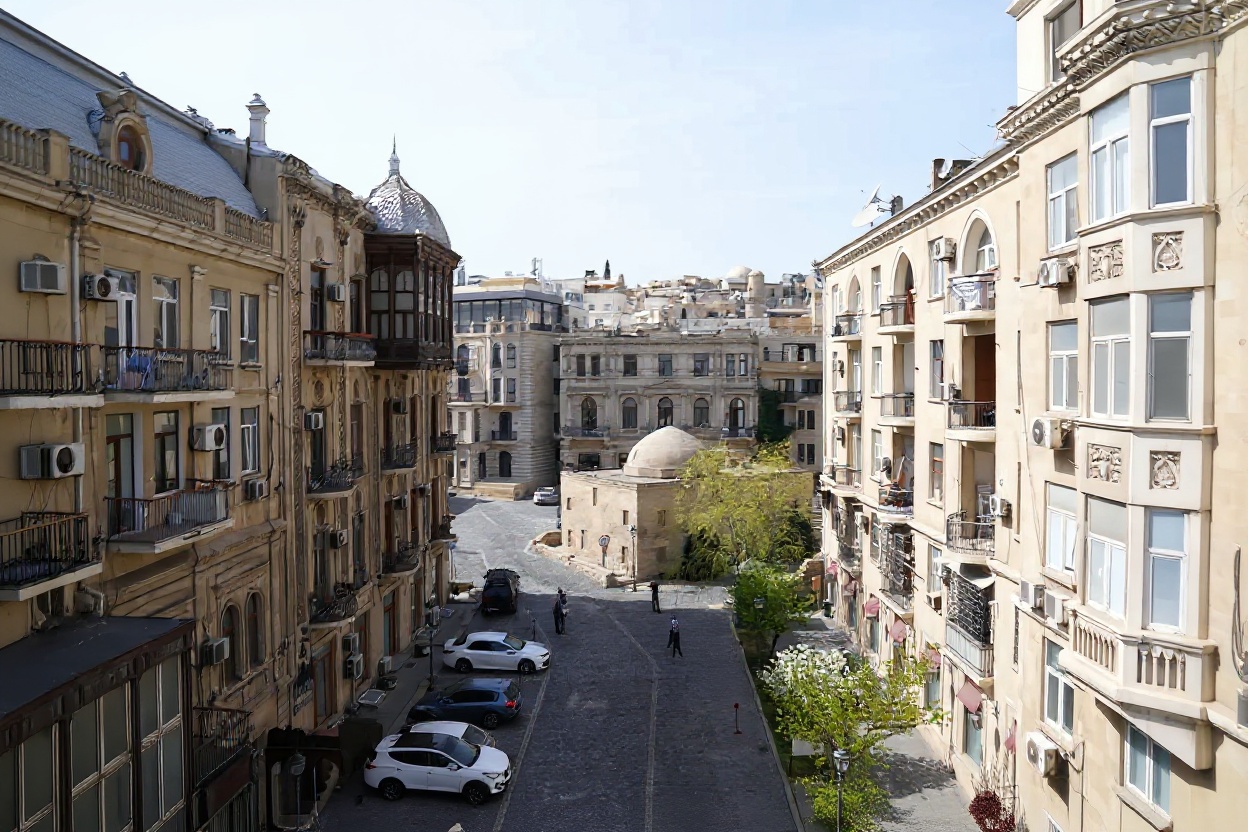
What this means practically for your trip: nothing is censored for tourists, no areas are off-limits, your movements are not monitored beyond what you’d expect in any country. You will not be harassed for political views at the border. You can visit freely from Georgia (the most common entry point) without any issue.
What this means ethically is something you get to decide for yourself. Ben thinks you should visit and also be an informed visitor. The local economy does benefit from tourism. The cultural sites are extraordinary. And arriving knowing what you’re looking at is, frankly, more interesting than arriving with blank-slate tourist energy.
One logistical note: if you have Israeli stamps in your passport, Azerbaijan may refuse entry. This situation has varied over the years — check current policy before booking. No issues with Georgian or Armenian stamps at the border.
Icheri Sheher — Baku Old City
Icheri Sheher (itch-EH-reh sheh-EHR — literally “inner city”) is a walled medieval city at the centre of Baku that has been a UNESCO World Heritage Site since 2000. Entry to the walled district: free. It’s a 20-minute walk from the central Sahil metro station or a short taxi ride from most Baku hotels.
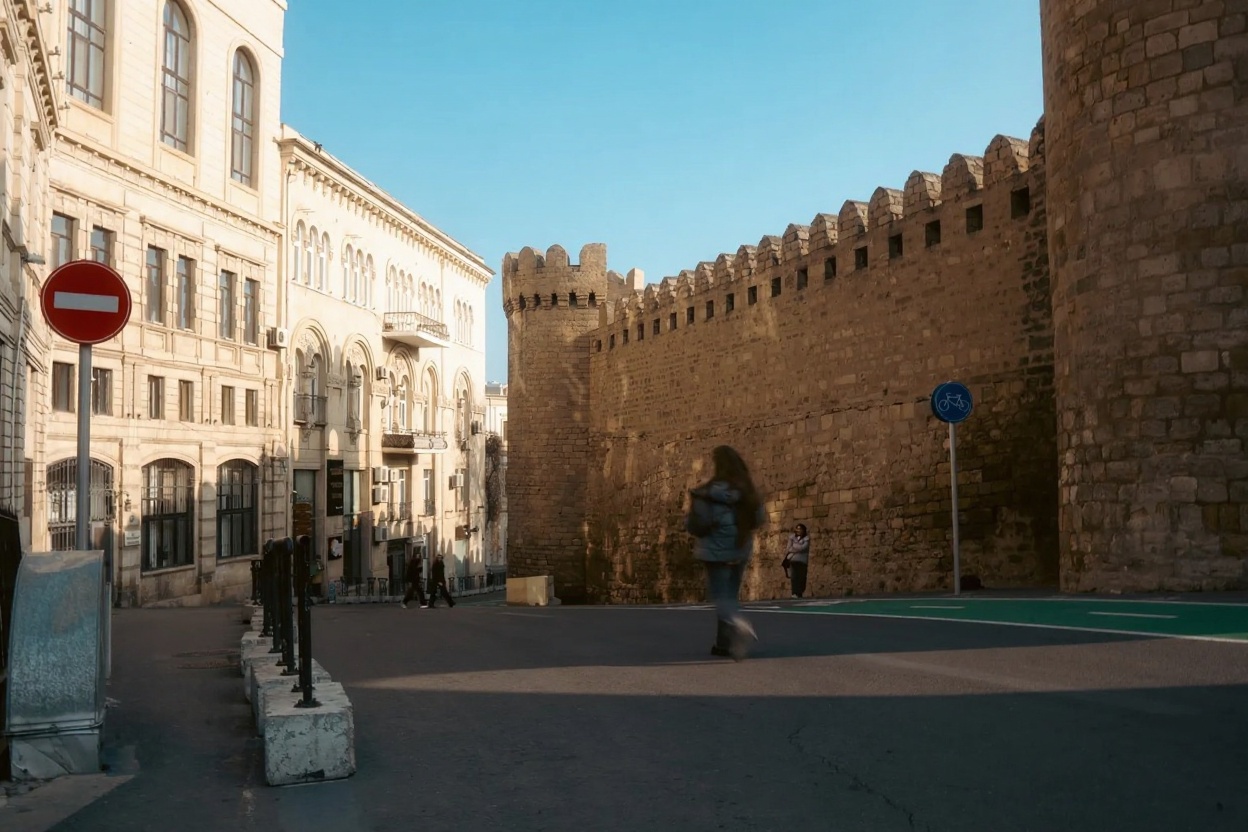
The Maiden Tower (Qız Qalası) dominates the eastern edge of the old city — a circular 29-metre stone tower of unclear origin. It predates the Islamic period; nobody is certain whether it was a Zoroastrian fire temple, a defensive tower, or an astronomical observatory. The internal museum is small but informative. Entry: 15 AZN (£6.60 / $8.55). Climb to the top for the best view over the old city roofline to the Caspian.
The Palace of the Shirvanshahs (Şirvanşahlar Sarayı) is a 15th-century royal complex in the upper part of the old city — a series of interconnected courtyards, a mosque, a mausoleum, and the main palace building. Entry: 15 AZN (£6.60 / $8.55). The stone carving on the portal is exceptional. Allow 45 minutes.
The lanes between these two anchors are the actual reason to spend time in Icheri Sheher. They’re narrow, largely car-free, and have a functioning residential character — people live here, laundry hangs between buildings, there’s a proper neighbourhood bakery that opens at 7am. The texture is completely different from the rebuilt European-style streets outside the walls.
Ben’s honest take: Icheri Sheher is smaller than it looks on maps — you can walk the full perimeter in 20 minutes. Don’t rush it. Spend the morning wandering without a specific goal and you’ll find a carpet workshop, an old caravanserai turned restaurant, a tea house that’s been there since the 1960s. Give it 2–3 hours minimum, not 45 minutes.
| Baku Quick Facts | |
|---|---|
| Currency | Azerbaijani Manat (AZN) — 1 AZN ≈ £0.44 / $0.57 |
| Getting there from Tbilisi | Flight 1hr (from $40 / £31 on Silk Road or AZAL), overnight train (~$20 / £15, 10–12hr) |
| Icheri Sheher (Old City) | Free entry to district. Maiden Tower + Palace of Shirvanshahs 15 AZN each (£6.60) |
| Heydar Aliyev Centre | Babek Avenue, entry from 12 AZN (£5.30) — take metro to Koroghlu, 15 min taxi |
| Gobustan day trip | 65km south — hire a taxi for the day (40–50 AZN / £17–22) or join a tour |
| Metro card (BakıKart) | 2 AZN deposit + 0.50 AZN per ride — buy at any station |
| DO NOT | Pay the first taxi price quoted — always negotiate or use Bolt app |
| Accommodation | 4-star in Old City: 80–150 AZN (£35–66). Budget guesthouses: 25–50 AZN (£11–22) |
The Heydar Aliyev Centre
The Heydar Aliyev Centre is a Zaha Hadid-designed cultural complex completed in 2012 — a single continuous white building that folds and curves without a single straight line or right angle. It is named after the former president (and father of the current one). The politics of that naming are real. The building is also genuinely extraordinary.
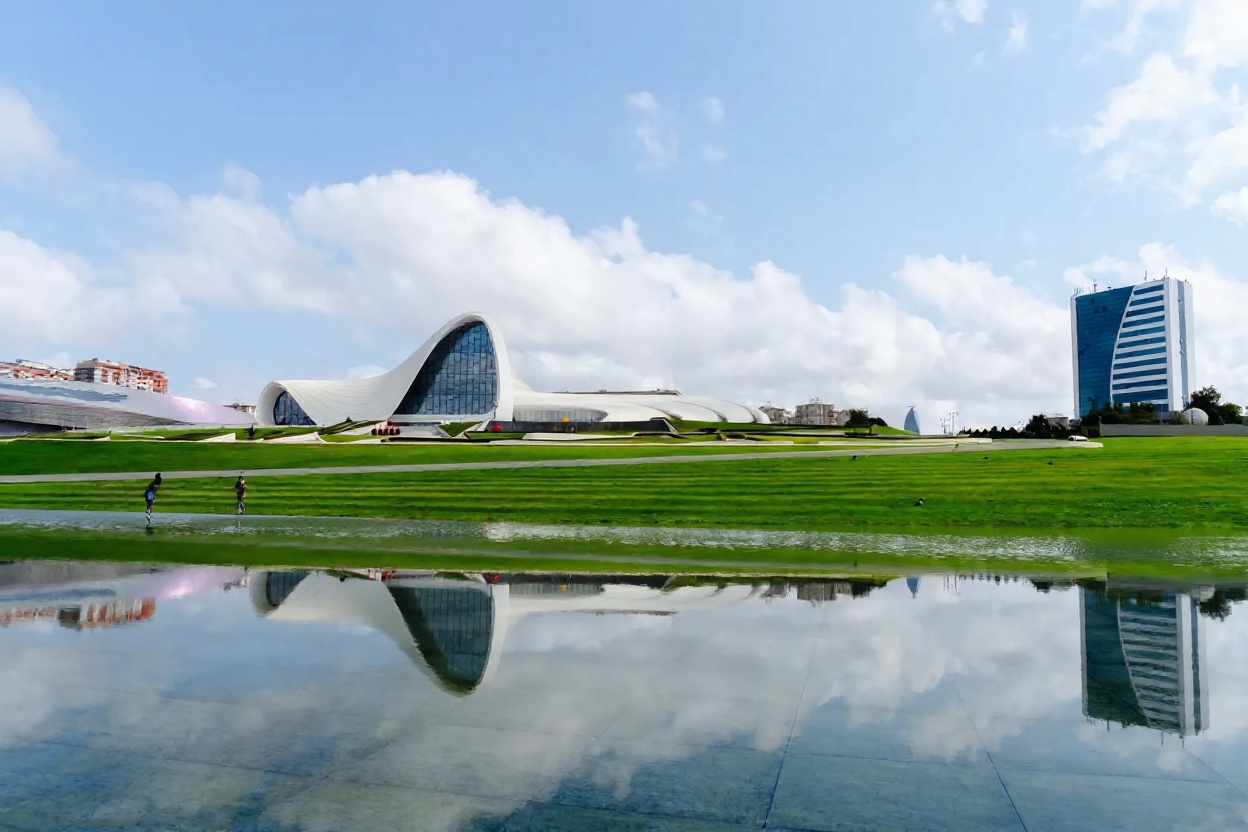
The complex sits on Babek Avenue, about 4km from the old city. Get to Koroghlu metro station (from central Baku, 0.50 AZN) and take a 15-minute taxi from there (3–5 AZN). Entry to the building from 12 AZN (£5.30 / $6.85) depending on which exhibitions are running. Check what’s on the week you visit — the permanent architecture exhibit covers Hadid’s design process, which is worth 40 minutes.
The best time to see the exterior: late afternoon when the white concrete catches the western light. The curved approach plaza is where the building photographs best. If you want fewer people in the shot, go on a Tuesday morning.
The Caspian Boulevard and Flame Towers
Baku is built along the western edge of the Caspian Sea, and the city’s waterfront boulevard (Bulvar) runs for about 3.5km along the seafront. It was comprehensively rebuilt and extended in the 2000s using oil revenues — the landscaping is good and there are functional cafés, a small ferris wheel, and the kind of families-on-an-evening-walk energy that makes a waterfront actually pleasant rather than just existing.
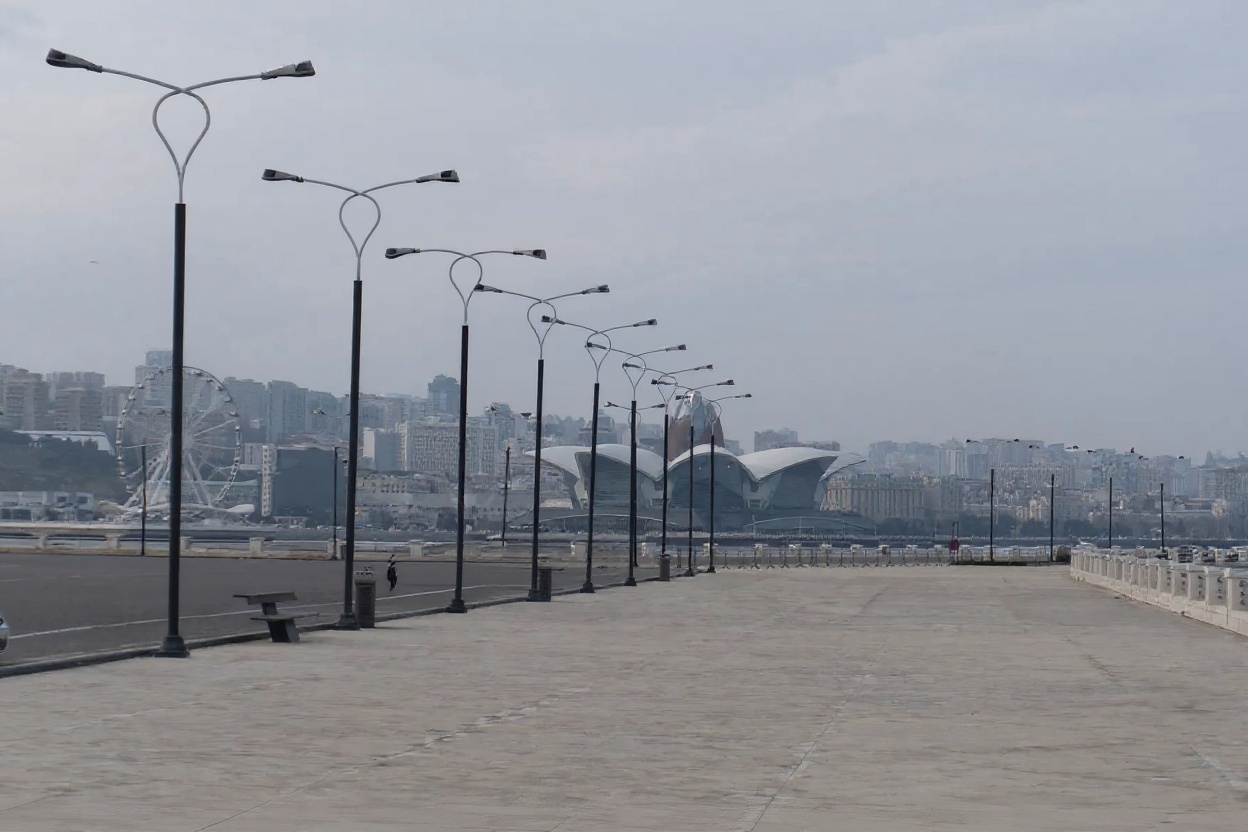
The Flame Towers are three skyscrapers on the hill above the old city, built to represent flames — at night they’re lit with an LED skin that actually does show animated flames climbing the glass. They’re visible from the boulevard and from anywhere in the lower city. The effect at night, reflected in the Caspian on a calm evening, is genuinely impressive. You don’t need to do anything specific to see them — walk the boulevard after dark and look left.
Oil rigs are visible from the boulevard on clear days — platforms in the Caspian, some close enough to see clearly. The contrast with the polished seafront landscaping is striking. Baku wouldn’t exist as this city without those rigs. It doesn’t hide them.
What to Eat in Baku
Azerbaijani food is a distinct cuisine that borrows from Persian, Turkish, and Caucasian traditions without being reducible to any of them. The key dishes:
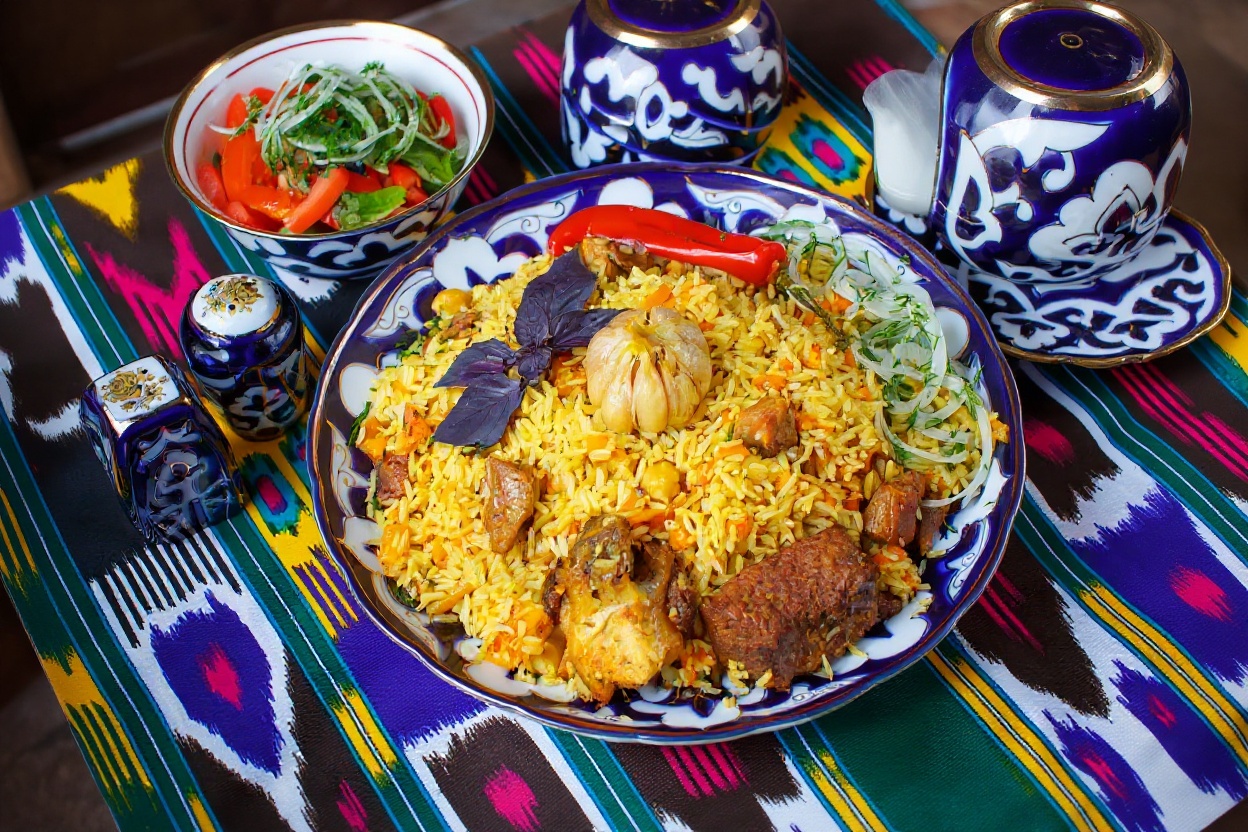
Plov — rice pilaf cooked in a kazan (heavy pot) with saffron, topped with lamb, dried fruits, and chestnuts. The Azerbaijani plov is richer and more Persian-influenced than anything you’ll find in Georgia or Armenia. Order it at a traditional restaurant, not a tourist café — a proper plov portion is 12–18 AZN (£5.30–7.90).
Dolma — stuffed grape leaves, here filled with lamb and rice rather than the vegetarian versions common in Turkey. Also available stuffed into peppers and aubergine. 6–10 AZN for a plate.
Dushbara — tiny lamb dumplings in a clear broth with vinegar and garlic. The Azerbaijani cousin of Georgian khinkali, smaller and served in soup rather than boiled standalone. A bowl costs 4–7 AZN.
Shah plov — the elaborate cousin of standard plov, served encased in a flaky pastry crust that you crack open at the table. Theatrical and genuinely delicious. 20–30 AZN at restaurants that do it properly.
Specific places: Firuze restaurant (near Icheri Sheher, traditional Azerbaijani, 15–30 AZN per head) is the standard reliable choice for proper plov in a traditional setting. For something more casual, the restaurants inside the old caravanserai (Karvansaray) off the main lane in Icheri Sheher serve adequate food at tourist prices — fine for lunch, not where you’re going for the best plov. The covered Teze Bazaar market (15-minute walk from the old city) has dried fruits, spices, and local cheese worth buying even if you don’t eat there.
Getting to Baku from Tbilisi
Tbilisi to Baku is the most common route into Azerbaijan for travellers doing the Caucasus. Two options worth considering:
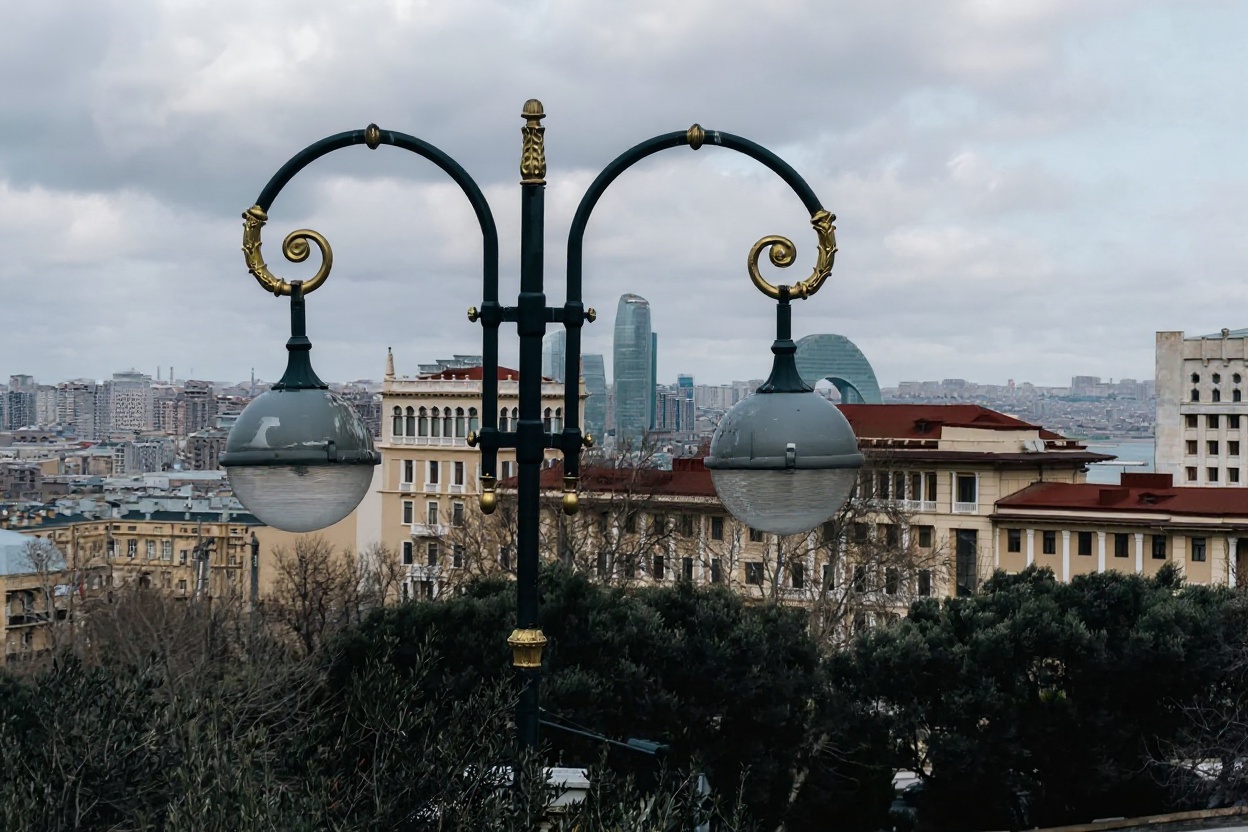
Fly — Silk Road Airlines and AZAL run daily flights between Tbilisi and Baku, 1 hour, from around $40 / £31 one-way. Baku Heydar Aliyev International Airport is 30km from the city centre — take the H1 bus to the 28 May metro station (0.50 AZN) rather than a taxi (30–50 AZN, heavily negotiable with Bolt).
Overnight train — the train from Tbilisi to Baku runs 3 times weekly and takes 10–12 hours overnight. Cost: around $20–25 / £15–19 for a berth in a 4-person kupé compartment. Arrives in Baku early morning. The border crossing at Boyuk Kasik takes 1–2 hours — have your passport ready and stay with your luggage. Ben has done this twice. It’s fine. Bring snacks and something to read for the border wait.
There is no practical overland route by public transport that avoids the train or flight — marshrutkas don’t run Tbilisi–Baku directly and the border crossing by car takes longer than flying. If you’re doing a Caucasus circuit (Georgia → Armenia → Azerbaijan), the usual logic is to fly or take the train from Tbilisi as the final leg.
Getting Around Baku
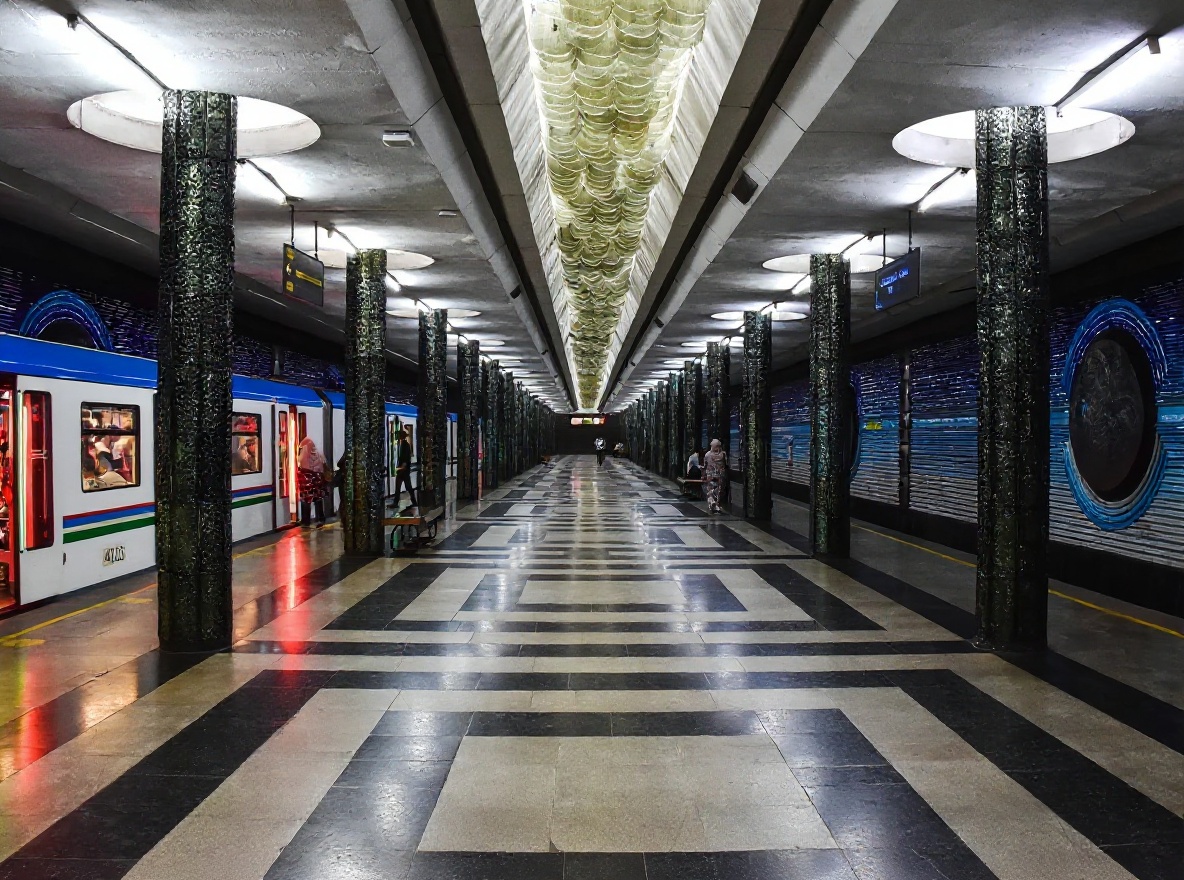
The Baku Metro is clean, functional, and cheap — 0.50 AZN per ride on a BakıKart (buy at any station, 2 AZN deposit). The two main lines cover the city centre, the old city (Icheri Sheher station), the Sahil waterfront station, and the connection to the airport bus at 28 May. Signage is in Azerbaijani (Latin script) and often English. The system feels Soviet-era in the station architecture but runs reliably.
Taxis: use Bolt (the app works in Baku) rather than negotiating with street taxis. Street taxis to tourists will quote 3–5× the Bolt price for the same journey. DO NOT pay the first price quoted. A Bolt from the airport to the old city costs around 15–20 AZN (£6.60–8.80). The same journey quoted by a street taxi will start at 50 AZN and “generously” come down to 30. Skip this and just open Bolt.
The Gobustan Day Trip: Mud Volcanoes and Rock Art
Gobustan is a rocky plateau 65km south of Baku with two attractions that make it worth a day trip: the Gobustan National Park rock carvings, and the Gobustan mud volcanoes.
The rock carvings (petroglyph museum, 8 AZN entry) document 40,000 years of human activity on the plateau — hunting scenes, boats, human figures, bulls. The oldest carvings predate the Pyramids. The outdoor museum covers a compact area with good English explanations. Allow 1.5 hours.
The mud volcanoes are 12km further from the rock carvings — small conical formations of grey mud that bubble and occasionally erupt slowly, driven by underground methane. No entry fee; the site is reached by a dirt track that requires either a 4WD or a taxi driver willing to navigate it carefully. They’re genuinely strange and visually unlike anything else in the region. The best time to visit: morning, before the midday heat in summer.
Getting to Gobustan: hire a taxi for the full day (40–50 AZN / £17–22 for the round trip plus waiting time). Agree the price before departure and include both the rock carvings and the mud volcanoes in the destination. Public buses run to the town of Gobustan but not to the attractions — the taxi day hire is the practical option.
Where to Stay in Baku
Staying inside or immediately adjacent to Icheri Sheher is the right call for a 2–3 day visit. The old city is where you’ll spend most of your time, and being walkable to the boulevard and the old city lanes at different times of day makes the stay feel more coherent than taking taxis from a hotel in the business district.
Shah Palace Hotel — a small boutique hotel inside the old city walls, converted from a 19th-century merchant house. 80–120 AZN (£35–53) per night for a double. Breakfast included. The courtyard is the best feature. Book 2 weeks ahead for weekends.
Boutique Eighteen — newer, just outside the old city walls, doubles from 90–150 AZN (£40–66). Slightly more polished than Shah Palace. Walk to the old city gates in 5 minutes.
Budget option: Several guesthouses cluster along the streets immediately below the old city (Kichik Qala district), offering rooms for 25–45 AZN (£11–20) per night. Murjan Guesthouse and similar small operations are clean, basic, and positioned well for walking to Icheri Sheher. Limited English, cash preferred, no frills.
The Mistake Ben Made in Baku
First trip, I took a taxi from Baku airport and didn’t negotiate properly before getting in. I knew the price would be inflated — I’ve been travelling long enough to know that. I negotiated it from 60 AZN down to 40 AZN, felt reasonably pleased with myself, and got in the taxi.
The Bolt price for the same journey at that moment was 17 AZN.
I’d paid £10.60 for a journey that should have cost £7.50. Not ruinous, but the lesson stayed with me. DO NOT negotiate with airport taxis in Baku. Take the H1 bus to 28 May metro (0.50 AZN), take the metro to Icheri Sheher station (0.50 AZN), walk to your hotel. Total cost: 1 AZN. Or open Bolt at the arrivals hall and book from there.
- Do I need a visa for Azerbaijan?
- Most Western nationalities can obtain an e-Visa online before travel (evisa.gov.az). Cost: around $23 / £18 for a 30-day single-entry visa. Processing takes 3 working days online. Citizens of many countries including the UK, US, EU, Australia, and Canada are eligible. Check the official list before applying — the site is clear about eligibility. Note: Israeli passport holders and passports containing Israeli stamps may be refused entry; check current policy before booking.
- Is Baku safe for tourists?
- Yes, in the conventional travel-safety sense. Petty crime is low. Street harassment is minimal compared to comparable cities in the region. Solo women travellers report generally positive experiences. The political situation (authoritarian government, arrested journalists) doesn’t translate to danger for tourists — it translates to awareness. Don’t engage in political debate with strangers, don’t photograph police stations or government buildings, and don’t expect the same civil freedoms you’d have in Georgia. That said: the vast majority of tourists visit Baku without incident of any kind.
- How many days do I need in Baku?
- Three days is right. Day 1: Icheri Sheher (full morning and lunch), Caspian Boulevard and Flame Towers (evening). Day 2: Heydar Aliyev Centre (morning), Teze Bazaar and food exploration (afternoon). Day 3: Gobustan mud volcanoes and rock art day trip (full day). Flying in and out makes a Baku-only trip efficient; if you’re doing the Caucasus circuit, 3 days fits well before or after Tbilisi.
- What currency does Azerbaijan use, and can I pay by card?
- Azerbaijani Manat (AZN). 1 AZN ≈ £0.44 / $0.57. ATMs in Baku are reliable and plentiful — withdraw on arrival rather than exchanging at the airport. Card payments are accepted at hotels and upscale restaurants; traditional restaurants, markets, and taxis prefer cash. Have a mix of both. Don’t bring GBP or USD to exchange — AZN from an ATM gives a better rate than any exchange booth.
- Can I combine Baku with Georgia and Armenia in one trip?
- Yes — the Caucasus circuit (Tbilisi → Yerevan → Baku) is a logical 2–3 week trip. One important caveat: Azerbaijan and Armenia have no diplomatic relations and no open border between them. You must fly or go via Georgia for both. The routing is typically: Tbilisi → Yerevan (fly or marshrutka via Georgia), Yerevan → Tbilisi → Baku (fly or overnight train). Budget 10–14 days minimum to do all three countries without feeling rushed.
When to Visit Baku
Baku has a semi-arid climate — drier and sunnier than Tbilisi, with less humidity than coastal cities. The best months are April–June and September–October. Spring brings mild temperatures (18–24°C) and green parks; autumn is warm and clear without the summer heat (July–August can reach 35–38°C in the city, which makes the Icheri Sheher stone lanes genuinely uncomfortable in the afternoon).
Winter (December–February) is mild by Caucasus standards — 5–12°C, occasional rain — and the city is quiet. Accommodation prices drop and Icheri Sheher is atmospheric without the summer crowds. If you’re doing a Caucasus winter circuit, Baku is the warmest of the three capitals by a significant margin.
Novruz (Azerbaijani New Year, around March 20–21) is the best cultural event to time your visit around — bonfires are lit across the city on the Tuesday evenings leading up to Novruz, families jump over the flames for good luck, and the street food scene is at its most active. The week itself is a public holiday; some restaurants and attractions have reduced hours, but the city atmosphere makes up for it completely.
That’s Baku. Three days, a BakıKart, and the Bolt app. The mud volcanoes are worth getting up early for. For the South Caucasus context around Baku — the Georgia connection and how to combine the countries — see the Tbilisi travel guide and the Georgia safety guide for the Armenia–Azerbaijan border situation. Questions in the comments — I check them most days.