Yerevan Travel Guide: Armenia’s Pink City, Properly Explained
Updated June 2026 — Ben Fletcher has been based in Tbilisi for three years and has visited Yerevan twice. Prices in Armenian Dram (AMD) and USD. 1 USD ≈ 390 AMD / 1 GBP ≈ 500 AMD. Prices verified June 2026.
Yerevan sits in the Ararat plain in western Armenia, at 1,000 metres above sea level, with Mount Ararat — the mountain on every Armenian coat of arms, the one that appears in every piece of Armenian religious art — visible on the horizon to the southwest. Ararat is in Turkey. It has been in Turkey since 1915. This is the first context you need for Yerevan, and the genocide memorial on the western hill of the city is the second. Everything else — the pink tuff stone buildings, the café scene, the extraordinary brandy — follows from understanding those two facts.
What Yerevan Is: The Pink City and Its History
Yerevan is one of the oldest continuously inhabited cities in the world — it was founded in 782 BC by the Urartian king Argishti I, making it older than Rome by 29 years. It became the capital of the Armenian Soviet Socialist Republic in 1920, was massively reconstructed under Soviet architect Alexander Tamanyan in the 1920s–1950s (the current downtown grid of wide boulevards, Republic Square, and the pink tuff stone buildings date from this period), and became the capital of independent Armenia in 1991.
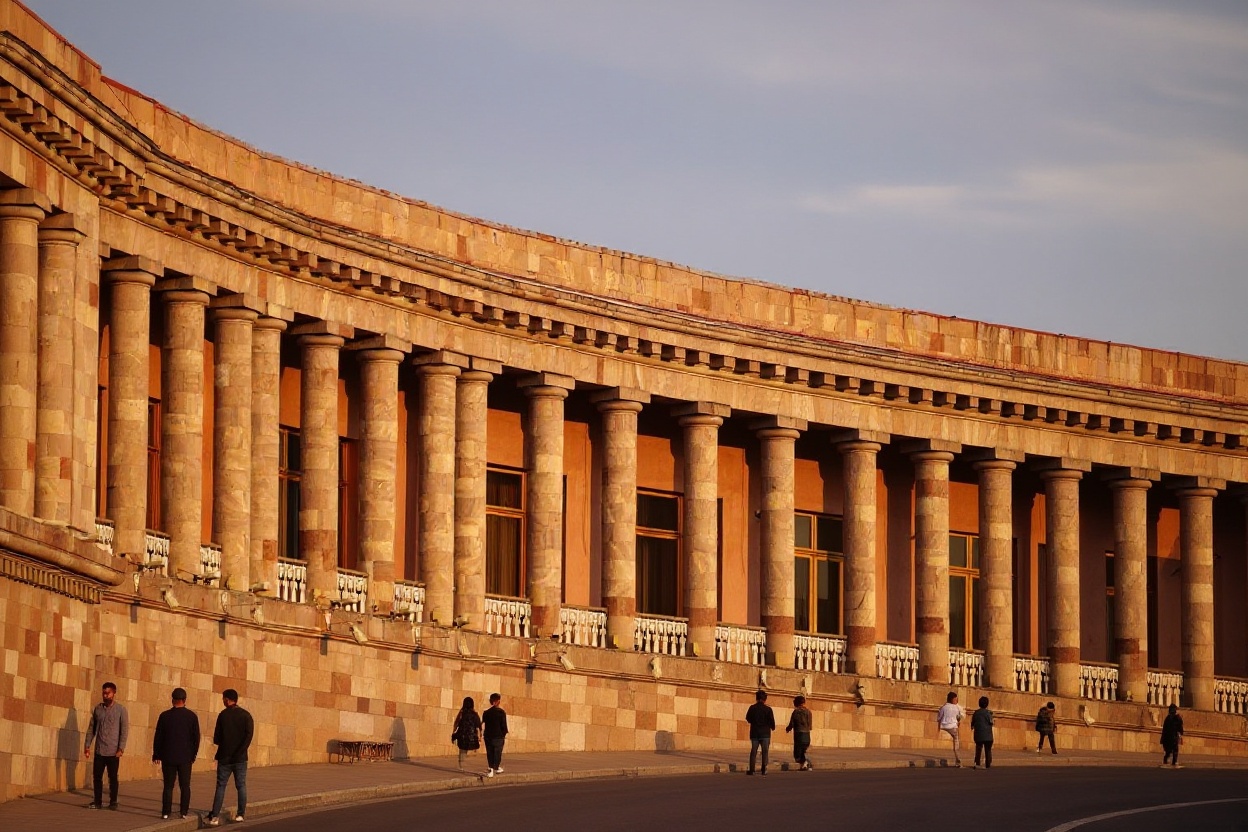
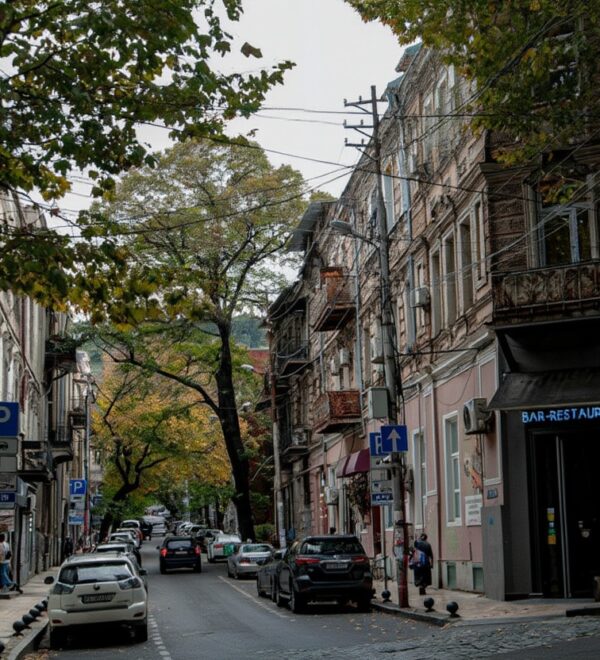
The “pink city” name comes from the volcanic tuff stone quarried from the region — it ranges from pale beige to deep rose depending on the quarry. The Tamanyan-era downtown buildings are uniformly built from it. In morning light, the whole city centre turns warm pink. At sunset it goes amber. It’s a genuinely distinctive visual identity that holds up on arrival.
Armenia’s modern political history: the 2018 “Velvet Revolution” removed a long-standing government in a peaceful mass protest that put opposition leader Nikol Pashinyan in power. The result was a significant shift in democratic institutions and a stronger pro-European orientation. Yerevan in 2026 feels more like a mid-sized Eastern European city than a former Soviet republic — café culture, independent bookshops, street art, a functioning civil society. The contrast with Tbilisi’s political situation in recent years is notable for travellers doing both.
Republic Square and the Soviet Downtown
Republic Square (Hanrapetutyan Hraparak) is the centre of Yerevan’s downtown — a large circular plaza ringed by Soviet-era government buildings in the Tamanyan pink tuff style. The square has dancing fountains in summer (evenings, synchronised to music, free to watch) and is the gathering point for political demonstrations, concerts, and the evening promenade.
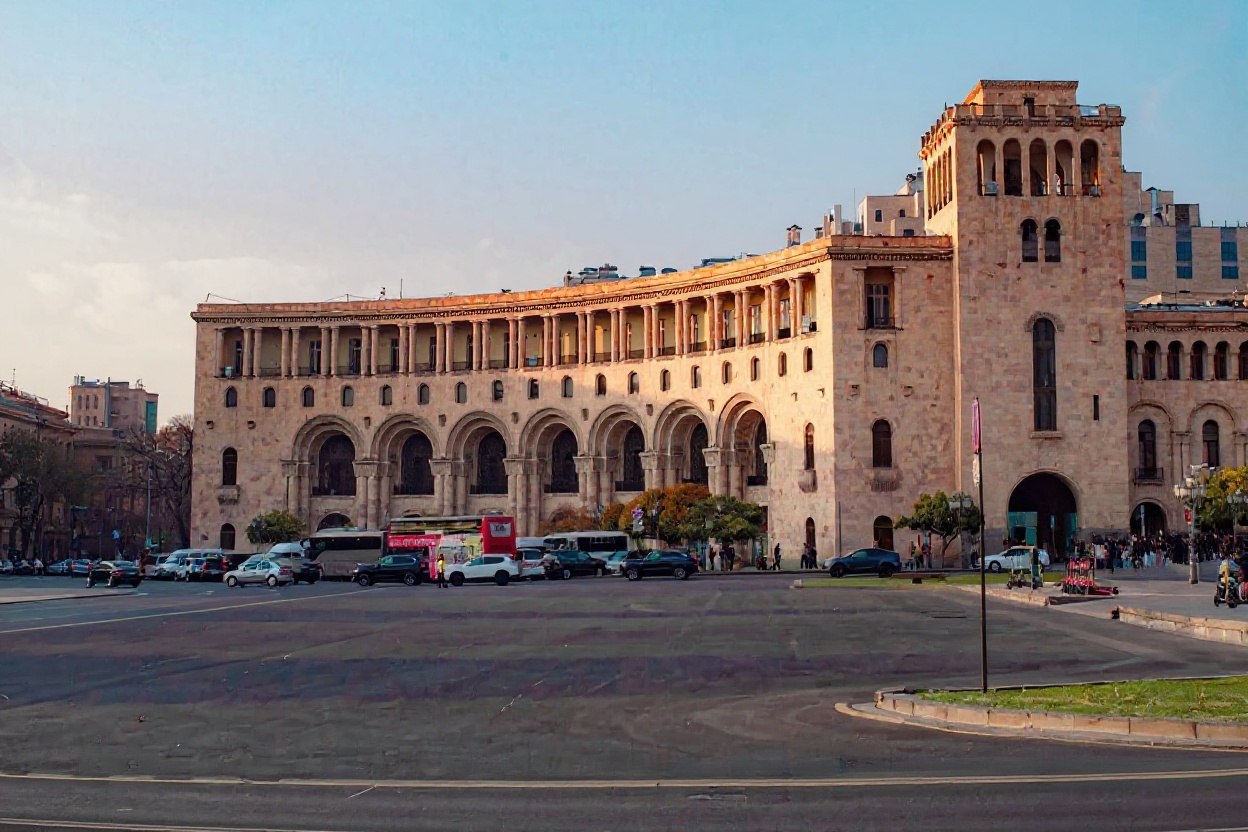
The buildings around the square include the History Museum of Armenia (entry 1500 AMD / ~$4) and the National Gallery of Armenia (same building, different floors, entry 1500 AMD) — both worth 2 hours combined if you want Armenian Bronze Age artefacts and a survey of 19th–20th century Armenian painting. The museum café on the top floor has views over the square.
North Avenue (Mashtots Avenue) runs from Republic Square northward and is the main pedestrian boulevard — lined with cafés, restaurants, and shops, and designed specifically as Yerevan’s social promenade. It ends at the base of the Cascade. Walk it in the evening for the full Yerevan outdoor-café-in-the-pink-dusk experience.
The Cascade: Modern Art in a Soviet Monument
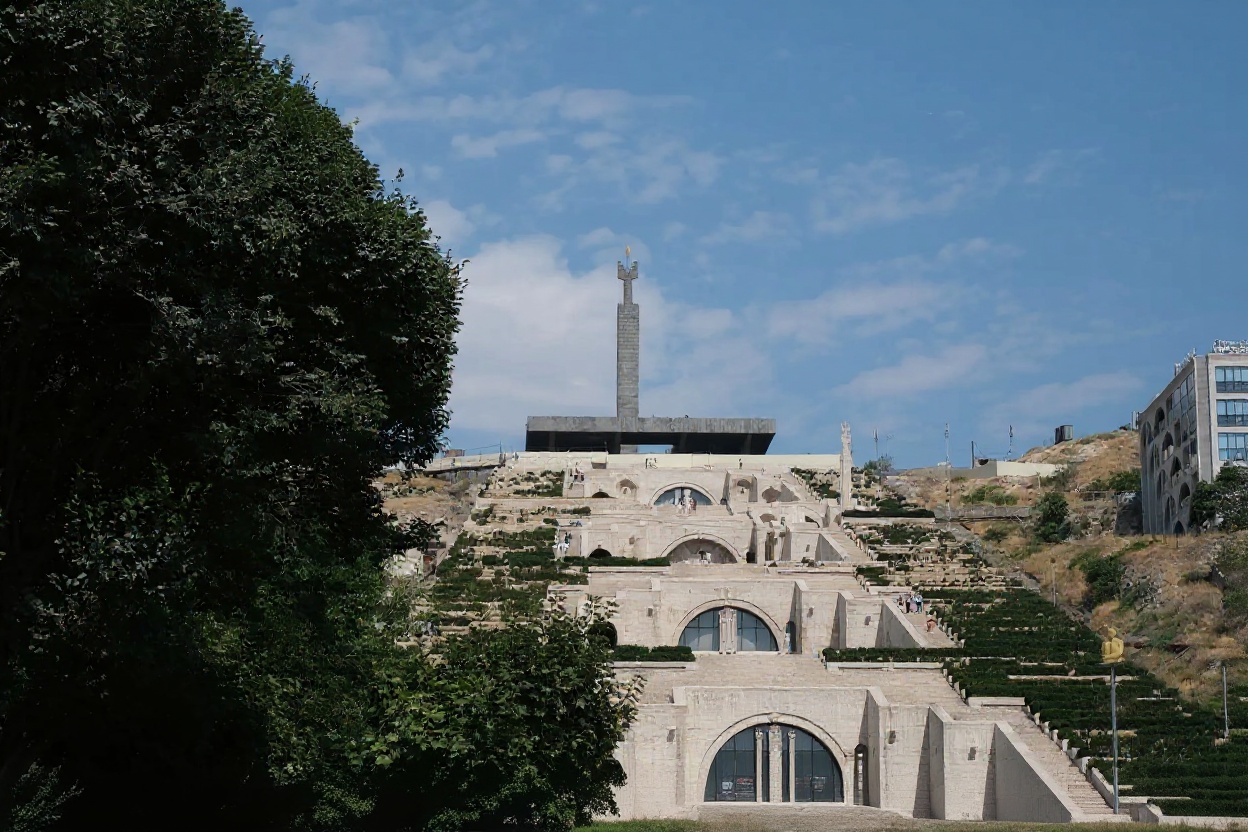
The Cascade is a giant white limestone staircase-monument that climbs 118 metres from the bottom of Tamanyan Street to the Victory Park above. It was designed in the 1970s, partially built, and then completed after independence in the 2000s using the personal collection of American-Armenian art collector Gérard Cafesjian.
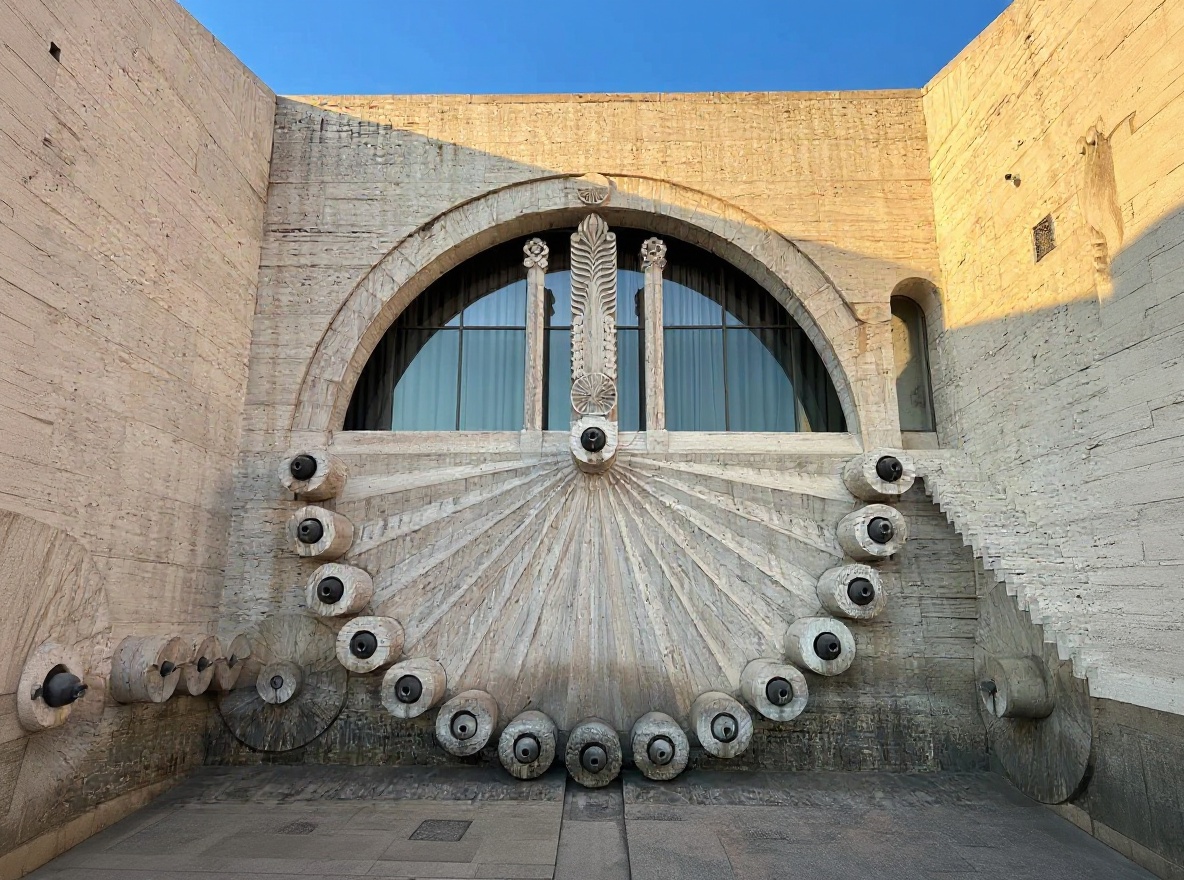
The result is something unusual: a Soviet-era exterior containing a contemporary art museum. The interior of the Cascade (open free of charge) has escalators between floors, and each floor has large-scale sculpture and installation works from Cafesjian’s collection — Botero bronzes, Fernando Botero’s famous fat figures, are prominently placed at the bottom of the outdoor stairs. The indoor escalator route up the Cascade beats the outdoor stairs in heat or rain and is the less-visited option.
The top of the Cascade has views over Yerevan’s downtown toward Ararat — or toward where Ararat is, if the haze cooperates. On clear days (best in April–May and October–November) the mountain is unmistakable. On summer days with heat haze, you see a blur. This matters for planning.
BEN’S PICK: Walk up the outdoor Cascade stairs at 7am before the city wakes up. The light on the limestone is exceptional in early morning, the stairs are empty, and the view over the city to the Ararat horizon is the best free thing in Yerevan. The Cafesjian interior opens later — do the stairs first, come back for the art.
Tsitsernakaberd: The Armenian Genocide Memorial
The Armenian Genocide Memorial and Museum (Tsitsernakaberd) sits on a hill on the western edge of Yerevan, 15 minutes by taxi from the centre. It commemorates the Armenian Genocide of 1915–1916, in which approximately 1.5 million Armenians were killed by the Ottoman government — one of the 20th century’s first genocides and one that continues to be denied by Turkey and disputed diplomatically.
The memorial complex has two components: the outdoor monument (a 44-metre stele, cracked to represent the divided Armenian homeland, and an eternal flame around which flowers are placed continuously) and the Genocide Museum underground. Both are free to enter.
The museum is comprehensive and factual — photographs, documents, survivor testimony, international press coverage from 1915 onwards. It takes 90 minutes to go through properly. It is not comfortable. It is not intended to be comfortable. For a visitor coming from Tbilisi or touring the South Caucasus, the context of Armenian history that the museum provides changes how you understand the entire region.
Practical notes: dress respectfully, speak quietly within the memorial complex, and bring the attention it warrants. Every year on April 24th (Genocide Remembrance Day), hundreds of thousands of Armenians walk in a procession to the memorial. If you’re in Yerevan near this date, it’s a profound thing to witness.
| Yerevan At a Glance | |
|---|---|
| Founded | 782 BC — older than Rome |
| Distance from Tbilisi | 270km — ~5 hours by minibus ($20–30) |
| Currency | AMD — 1 USD ≈ 390 AMD / 1 GBP ≈ 500 AMD |
| Republic Square fountains | Free — summer evenings, synchronised to music |
| Genocide Memorial | Free — Tsitsernakaberd, west of city, 15 min taxi |
| Khor Virap monastery | Free — 40km south, Mount Ararat views (weather permitting) |
| Ararat brandy distillery tour | ~5,000 AMD/person (~$13) — book ahead |
| Best months for Ararat view | April–May and October–November (clear air, low haze) |
| Budget accommodation | Guesthouses from $25/night / mid-range hotels $50–90 |
Armenian Food: What to Eat in Yerevan
Armenian cuisine is one of the South Caucasus’ most distinctive — older than the restaurant culture of its neighbours in many respects, and drawing on ancient agricultural traditions of the Ararat plain. The things to eat in Yerevan:
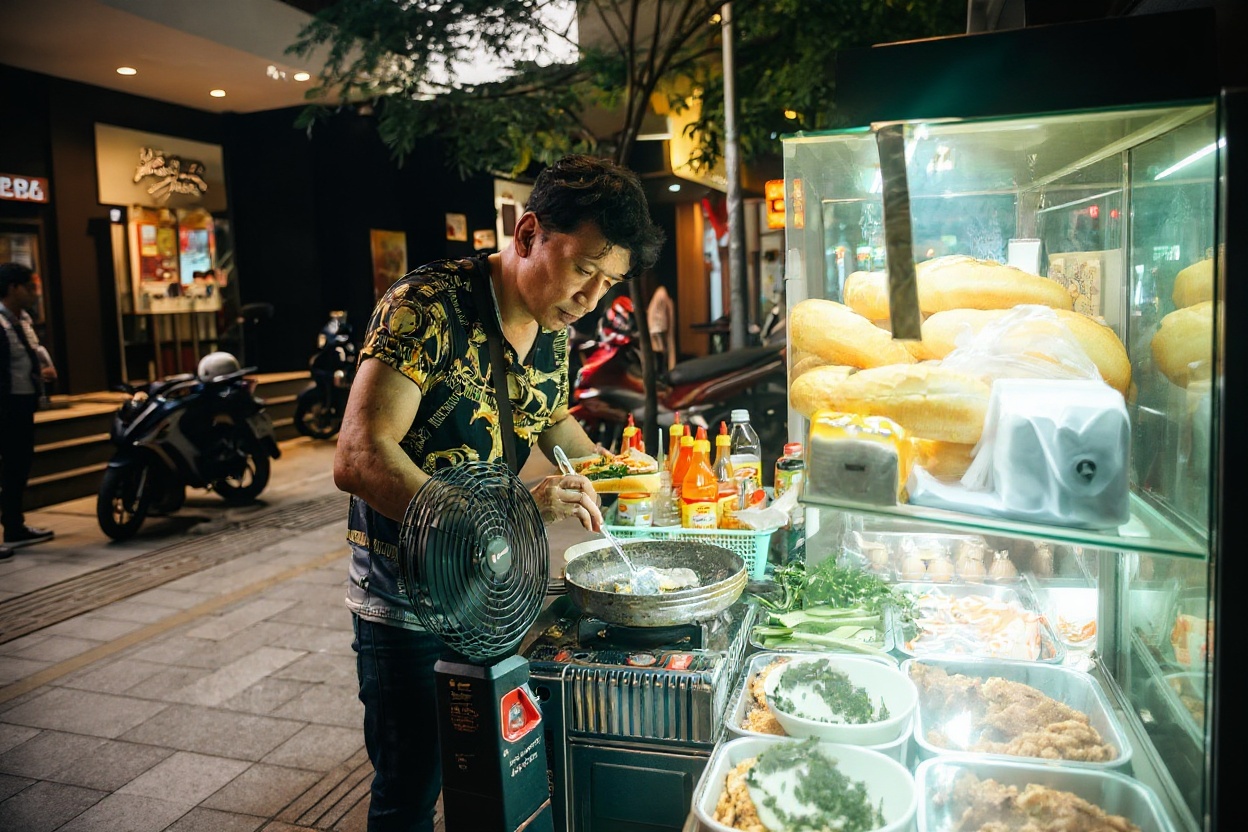
Lavash: Armenian flatbread, UNESCO Intangible Cultural Heritage, baked in a tonir (underground clay oven) and coming out hot, thin, and slightly blistered. It’s used as bread, as a wrap, and eaten on its own. The Vernissage market area has lavash bakeries visible from the street — watch the women baking against the tonir wall and buy a sheet for 200–300 AMD.
Khorovats: Armenian barbecue — pork, beef, or chicken marinated and grilled over charcoal, served with lavash and raw vegetables. Yerevan’s khorovats restaurants are a specific dining format: large, noisy, family-run, with open grills. Budget 3,000–5,000 AMD per person ($8–13). The Dalma Garden area northwest of the centre has several of the better khorovats restaurants.
Dolma: Grape leaves (in summer) or cabbage leaves (winter) stuffed with minced meat and rice. Armenian dolma is distinct from Turkish or Greek versions — often spiced with cinnamon and allspice. Served with matsun (Armenian yoghurt). A portion costs 1,500–2,500 AMD.
Basturma and sujuk: Cured meat. Basturma is air-dried beef coated in fenugreek paste. Sujuk is spiced dried sausage. Both are sold at the GUM market (the Soviet-era central market, one block from Republic Square) and at the Vernissage. Buy some for a picnic at the Cascade or Khor Virap.
Armenian Brandy: The Ararat Distillery
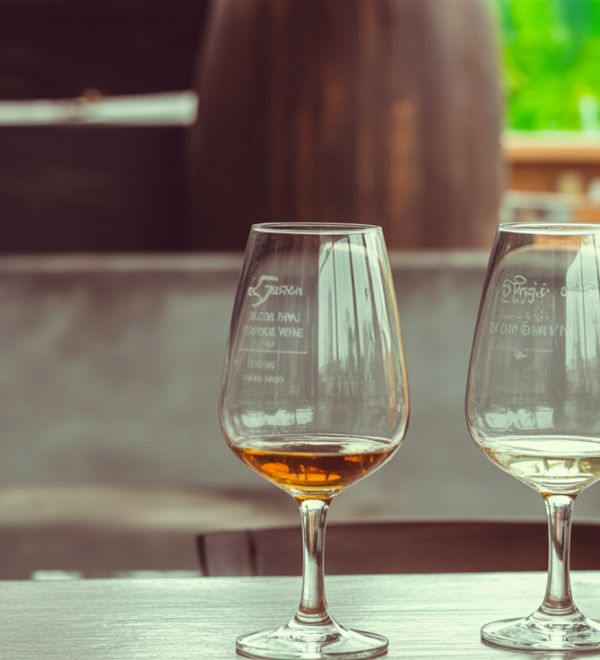
Armenia produces brandy — cognac-style, aged in oak, made from Armenian grape varieties. Ararat is the national brand and the most famous, but numerous smaller producers exist. Winston Churchill drank Ararat during World War II and reportedly requested it at diplomatic meetings. The brand is worth more than the anecdote suggests.
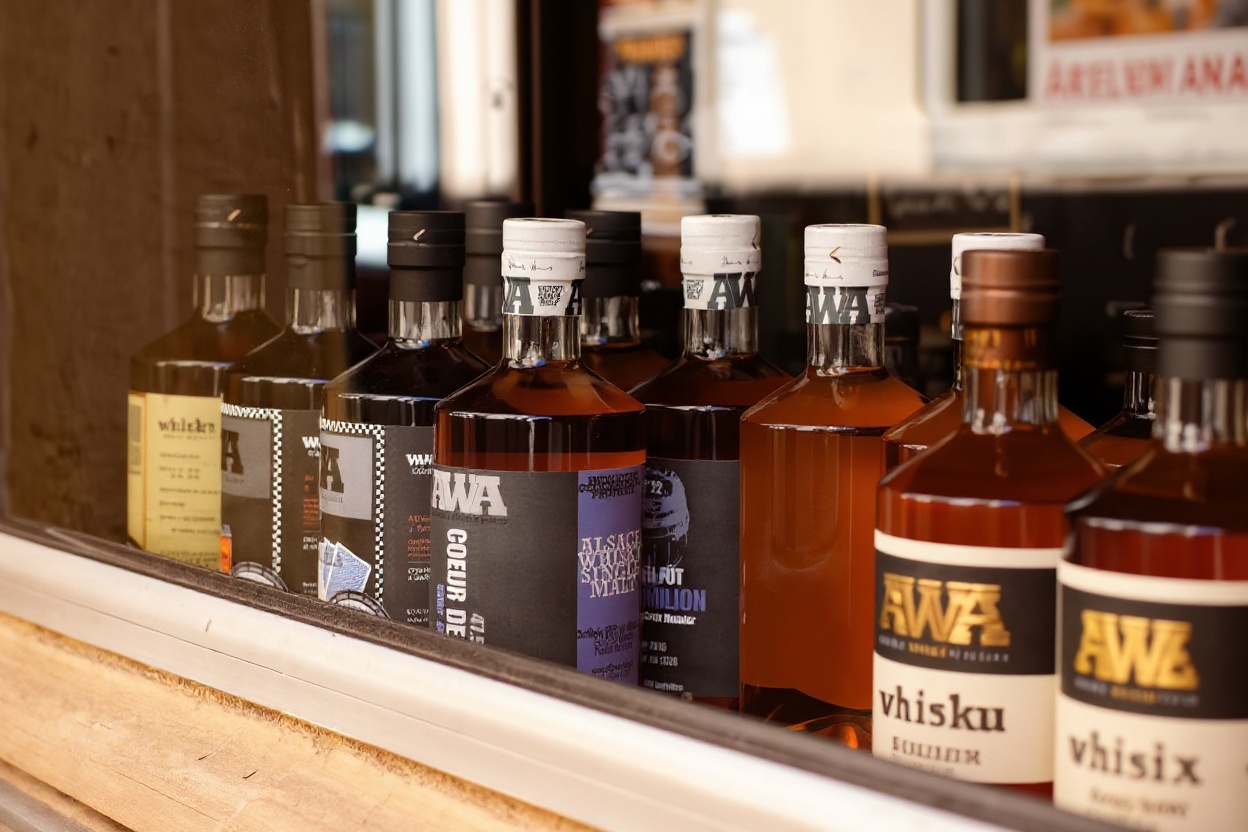
The Ararat Brandy Company offers distillery tours (book ahead at araratbrandy.com) for around 5,000 AMD ($13) including tastings of different aged expressions. The 3-year, 5-year, and 10-year variants are all available in Yerevan supermarkets and restaurants at prices that make purchasing it in Armenia significantly cheaper than importing it. A 10-year bottle: 8,000–12,000 AMD ($21–31) in a supermarket. Buy two.
Day Trips from Yerevan
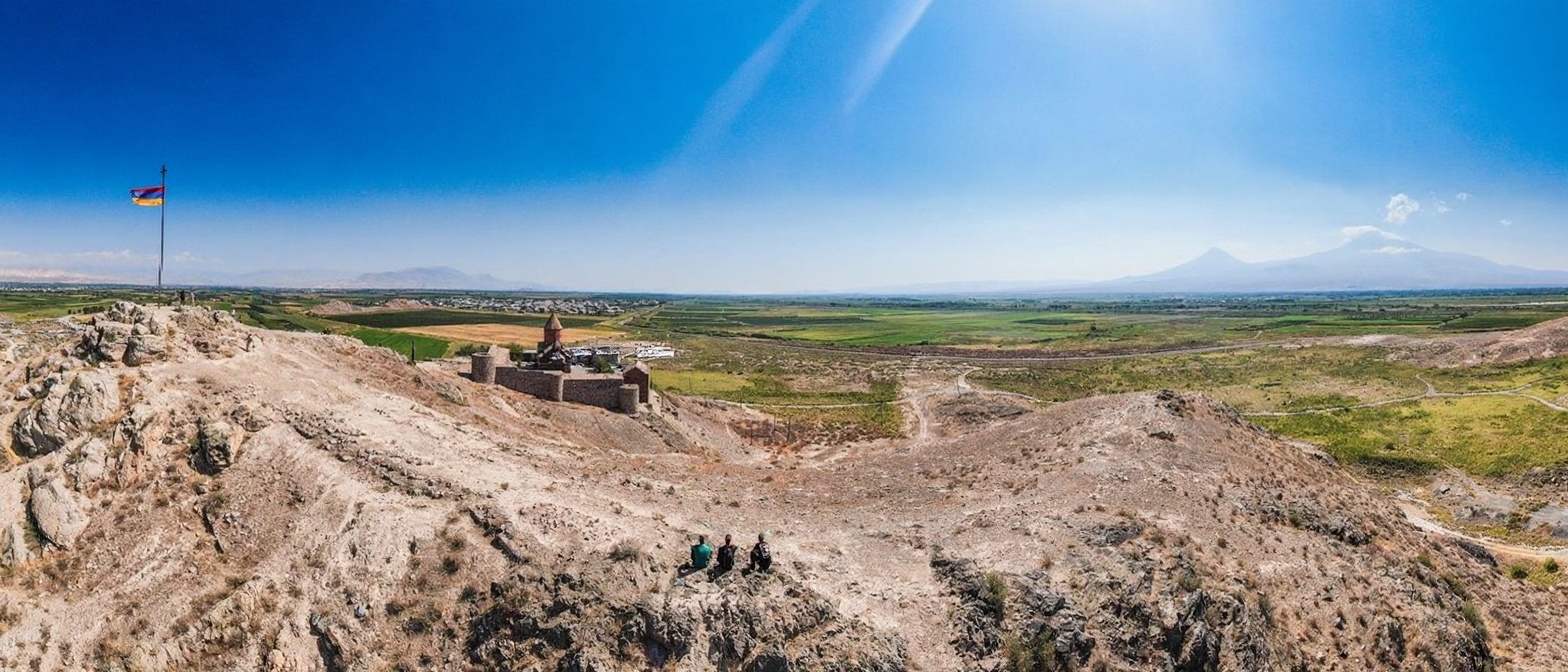
Khor Virap Monastery (40km south): An active monastery on a volcanic hill above the Ararat plain, with Mount Ararat directly behind it — the classic Armenian photograph. Entry free. The best light for photography is morning (Ararat lit from the east) or late afternoon. The caveat: Ararat is only clearly visible on days with low humidity and clear air. See below for the weather section. The drive from Yerevan is 45 minutes on a good road.
Garni and Geghard (45km east): A 1st-century pagan temple (the only surviving Greco-Roman structure in the former Soviet Union) and a 13th-century UNESCO-listed monastery carved into a cliff face in a gorge. The Garni and Geghard guide covers both in detail — this is the best half-day trip from Yerevan and can be combined with Khor Virap into a full-day circuit.
Lake Sevan (60km north): Armenia’s large high-altitude lake (1,900m), ringed by mountains, with a small monastery (Sevanavank) on a peninsula that was an island before Soviet-era water diversion. Clean water, excellent grilled crayfish at the lakeside restaurants ($12–18 for a portion), and views that read as alpine despite being in the south Caucasus. 1 hour from Yerevan by marshrutka (200–300 AMD).
Getting to Yerevan from Tbilisi
The Tbilisi–Yerevan route is one of the classic South Caucasus overland connections. Minibuses (marshrutkas) depart from Tbilisi’s Ortachala bus terminal for Yerevan every morning at 9am and take 5–6 hours. Cost: $20–30 per person. Comfortable enough — the scenery through the Armenian highland is worth staying awake for.
Alternatively, the overnight sleeper train runs Tbilisi–Yerevan (departs ~11pm, arrives ~8am) in second class for around $25–35. Less scenic but you sleep through it and arrive rested. Book at the Georgian Railway website or through the station.
Direct flights from European cities (Vienna, Paris, Frankfurt, London) reach Zvartnots Airport 12km west of Yerevan. The airport is well-connected and flight times from Western Europe are around 4 hours. For travellers doing a South Caucasus itinerary — Georgia + Armenia — flying into Tbilisi and out of Yerevan (or vice versa) avoids backtracking.
The Tbilisi travel guide covers the Georgia side of this connection, and the Georgia budget guide has cost comparisons between the two countries (Armenia is slightly cheaper on accommodation, comparable on food).
When to Go to Yerevan
April–June: The best window. The Ararat view is clearest (low humidity, clean air after winter), the city is green, the spring fruit market at GUM is at its best, and the temperature is warm rather than hot (18–25°C). April 24th Genocide Remembrance Day falls here — a significant date to be aware of and, if you’re present, to witness.
September–October: Strong second choice. Harvest season — grapes, pomegranates, apricots at the market. Clear air for the Ararat view. Temperature dropping to comfortable (15–22°C). The Yerevan International Film Festival (DIFF — usually October) brings the city’s cultural scene to a focus.
July–August: Hot (35°C+ regularly), and the Ararat view is frequently obscured by summer heat haze. The city still functions well and the fountains at Republic Square are at their best. Not the ideal timing if the Khor Virap photograph is the goal.
November–March: Cold (0°C to 10°C in the city), the ski resorts of Tsaghkadzor and Jermuk are open (90 minutes from Yerevan, worth knowing about). The city is quiet in winter and the pink tuff against snow is atmospheric. November can have good clear days for the Ararat view.
Where to Stay in Yerevan
Yerevan’s best accommodation is concentrated around Republic Square and the Cascade area — within the walkable downtown grid between Mashtots Avenue and Northern Avenue.
Budget ($15–35/night): Family-run guesthouses near the Cascade and Mashtots Avenue. The hostel scene has grown significantly since 2018 — Envoy Hostel and Generator Yerevan have private rooms for $25–35 as well as dorms. Central location is important because Yerevan’s sights are walkable from downtown.
Mid-range ($50–90/night): The Opera Hotel near Republic Square, boutique options on Abovyan Street, and several apartment hotels in the Cascade area. Breakfast usually included. The Soviet-era apartment conversions that characterise this tier are spacious and central.
High-end ($100–200+/night): Marriott and Radisson both have properties on Republic Square — international standard with the location advantage. The Armenia Marriott has the best view of the Republic Square fountains from upper floors on summer evenings.
The neighbourhood to target for a first visit: the 15-minute-across zone bounded by Mashtots Avenue, Baghramyan Avenue, and Abovyan Street. All the main sights are walkable from within this area — Republic Square, the Cascade, the GUM market, the Genocide Memorial by taxi (15 minutes).
The Mistake Ben Made at Khor Virap
Second visit to Armenia, July. I specifically planned the trip around the Khor Virap photograph — the monastery in the foreground, Ararat behind. The classic shot. I’d seen it in every Armenia article I’d read and I wanted to see the mountain in person.
We arrived at Khor Virap at 10am on a clear-sky day. The sky above us was blue. Ararat’s location — I knew the bearing from the map — was a white-grey smudge on the horizon. The haze from July heat had reduced the mountain to a suggestion. The monastery was lovely. The view of Ararat was not what I’d driven 40km for.
The lesson I learned from a local photographer we talked to: the clear Ararat views happen in April–May and again in October–November, and best in the very early morning. July and August are the worst months for the mountain view because the summer heat creates persistent atmospheric haze. If the Ararat view matters to your Armenia trip, plan around it specifically: go in spring or autumn, arrive at Khor Virap by 7–8am, and have realistic expectations about what “clear day” means in July.
- How do I get from Tbilisi to Yerevan?
- Marshrutka from Tbilisi Ortachala terminal: daily at 9am, 5–6 hours, $20–30. Overnight train from Tbilisi station: departs ~11pm, arrives Yerevan ~8am, $25–35 second class. Both are reliable options. The marshrutka is faster and more flexible; the train is better if you want to sleep through the journey.
- How many days do I need in Yerevan?
- 3 days covers the Cascade, Republic Square, Genocide Memorial, one evening exploring the food scene, and a day trip to either Khor Virap or Garni/Geghard. 4–5 days allows both day trips plus Lake Sevan. Yerevan itself is compact enough to walk most sights, but the surrounding region rewards an extra day.
- Can I see Mount Ararat from Yerevan?
- On clear days, yes — Ararat is visible on the horizon to the southwest from multiple points in the city, most dramatically from the top of the Cascade. The best views are in April–May and October–November in the early morning. July–August: atmospheric haze frequently reduces or eliminates the view. Khor Virap monastery 40km south has the best foreground context for the mountain view.
- Is Armenia safe for travellers?
- Yes — Armenia proper (Yerevan and the main tourist regions) is safe and stable for travellers. The conflict situation with Azerbaijan regarding the Nagorno-Karabakh region was significantly altered in 2023; Yerevan and central Armenia are unaffected. Standard travel sense applies. The US, EU, and UK FCO all classify Armenia as generally safe for tourism. Check current government travel advisories for the eastern border region specifically.
- What is the best Armenian food to try in Yerevan?
- Khorovats (Armenian barbecue) at a proper khorovats restaurant, not a tourist-facing café. Lavash fresh from a tonir bakery (watch the GUM market for visible baking). Dolma (stuffed grape leaves with matsun yoghurt). Basturma from the GUM market cured meat section. And Armenian brandy — either the Ararat 3-year (value) or the 10-year (occasion). Budget 3,000–5,000 AMD ($8–13) for a full meal at a local restaurant.
- What is the Vernissage market in Yerevan?
- The Vernissage is an outdoor craft and art market that runs Saturday and Sunday in the area near Republic Square (on Khanjyan Street). It sells Armenian handicrafts, Soviet-era memorabilia, paintings, jewellery, carpets, and the distinctive Armenian cross-stones (khachkars) in various sizes. Prices are negotiable. The market runs from around 9am to 5pm. It’s the best single place in Yerevan to buy something that isn’t available anywhere else.
- Is it easy to combine Armenia and Georgia in one trip?
- Yes — the standard South Caucasus itinerary covers both. Fly into Tbilisi, spend 4–5 days in Georgia (Tbilisi, Kazbegi or Kakheti), take the marshrutka or overnight train to Yerevan for 3–4 days (Yerevan, Khor Virap, Garni, Geghard), then fly home from Yerevan. Total: 10–12 days. The Tbilisi→Yerevan connection is 5 hours by minibus from Ortachala terminal. The reverse direction also works if Yerevan is the entry point.
What Ben Got Wrong About Yerevan
I arrived expecting Yerevan to be a smaller, quieter Tbilisi. It isn’t. The cities are fundamentally different in character: Tbilisi is organic, layered, slightly chaotic — centuries of different empires leaving different architectural fingerprints. Yerevan is more intentional, its downtown the product of a single Soviet architect’s vision executed over three decades. The pink tuff grid of the Tamanyan plan gives the city a coherence that Tbilisi lacks, and a monumental quality that can feel imposing until you understand it.
The second mistake was planning too much. I arrived with four full days and a list of sites. What I found was that Republic Square at 7am, with no one else there, and the pink stone catching the early light, and Mount Ararat faintly visible on the southwestern horizon — that required no list. I sat there for an hour. Two of my four days turned into variations of sitting somewhere and watching the city.
So here’s the thing about Yerevan: it’s not a city you need to cover. It’s a city you need to spend time in. The Cascade is the plan. The memorial is the plan. The khorovats restaurant in the Dalma Garden area is the plan. Everything else resolves itself.
Yerevan is the South Caucasus city that gets less attention than Tbilisi and rewards it differently. The pink stone is real. The Ararat view, when the air is clear, is the thing that stays with you — a mountain in another country, on every coat of arms, visible every morning. The food is extraordinary. The brandy is better than its reputation. Go in April or October. Walk the Cascade at 7am. Visit the memorial properly. Questions in the comments, I check them.